Discover how to improve shoulder stability during Pilates with expert tips, alignment techniques, and targeted exercises. Learn how proper shoulder placement boosts strength, posture, and performance—perfect for both beginners and advanced practitioners in Miami’s wellness community.
Why Shoulder Stability Matters in Pilates
Whether you’re new to Pilates or have been practicing for years, you’ve probably heard your instructor talk about shoulder placement, scapular engagement, or maintaining stability through the shoulder girdle. But why is shoulder stability in Pilates such a crucial part of your practice?
The shoulder joint is the most mobile joint in the body, which also makes it one of the most unstable. This mobility allows for a wide range of movement, but it also increases the risk of injury if the surrounding muscles aren’t properly engaged. In Pilates, we focus on shoulder control to enhance strength, mobility, and postural alignment while preventing strain or overuse.
For residents of Miami, where active living and outdoor sports are part of the lifestyle, maintaining strong and stable shoulders isn’t just about looking good—it’s essential for functional fitness and injury prevention. Whether you’re paddleboarding on Biscayne Bay or practicing reformer Pilates at our Hallandale Beach studio, shoulder stability supports every movement you make.
The Anatomy of Shoulder Stability
To fully understand shoulder stability, it’s helpful to look at the anatomy. The main components involved in stabilizing the shoulder include:
- Scapula (shoulder blade) – Crucial for anchoring shoulder muscles.
- Rotator cuff muscles – These small muscles stabilize the shoulder joint.
- Deltoids and trapezius – Provide strength and control.
- Serratus anterior – Helps keep the scapula flat against the ribcage.
In Pilates, we emphasize scapular stability to ensure that all these muscles work harmoniously. Poor scapular control often leads to shoulder impingement, pain, or postural issues—something we want to avoid, whether you’re in a beginner Pilates class or a more advanced session.
Shoulder Stability vs. Shoulder Strength
It’s easy to confuse shoulder strength with stability, but they’re not the same thing. Strength refers to the ability of a muscle to generate force, while stability is about control and maintaining proper alignment through movement. In Pilates, we train both by focusing on controlled, precise movements that challenge your body’s ability to stay aligned under load.
Common Shoulder Issues Addressed by Pilates
Many people come to Pilates with pre-existing shoulder conditions or postural imbalances. Here are some common issues we see at Backstage Pilates and how the practice helps:
Rounded Shoulders and Poor Posture
In today’s tech-driven world, rounded shoulders are more common than ever. Sitting at a desk or scrolling on your phone can cause the chest to tighten and the upper back to weaken. This posture limits shoulder mobility and increases the risk of injury. Pilates emphasizes shoulder alignment and opening the chest while strengthening the back muscles to correct these imbalances.
Shoulder Impingement
Shoulder impingement occurs when the shoulder blade isn’t moving correctly, causing painful pinching of the tendons or bursa. Pilates addresses this by improving scapular stability and restoring proper movement patterns through low-impact, controlled exercises.
Weak Rotator Cuff
Many people with prior injuries or a sedentary lifestyle have underdeveloped rotator cuff muscles. In Pilates, we use small, focused movements and resistance from springs or bands to gently strengthen these muscles without strain.
Post-Surgery Rehabilitation
After shoulder surgery or injury, clients often turn to Pilates as a safe way to regain mobility and strength. Our private training sessions provide customized attention and progressive exercises that support recovery while rebuilding stability and control.
Key Principles for Improving Shoulder Stability in Pilates
Improving shoulder stability during Pilates starts with understanding and applying certain key principles. Whether you’re at our Miami studio or practicing from home, these fundamentals can enhance your form and protect your joints.
1. Neutral Shoulder Placement
Pilates shoulder placement refers to the neutral, stable position of the shoulders during exercise. This involves:
- Keeping the shoulder blades gently drawn down and together.
- Avoiding elevation or tension in the upper traps.
- Maintaining space between the shoulders and ears.
You’ll often hear instructors cue “shoulders away from ears” or “anchor your scapula”—these are reminders to stay in the safe, supported position that promotes joint longevity.
2. Scapular Awareness
Scapular stability in Pilates is foundational. You want to be able to move your arms without allowing the shoulder blades to pop out of position. This awareness takes time to develop, but it’s essential for upper body strength, posture, and injury prevention.
Good scapular control also helps you generate more power during dynamic moves like Jumpboard Pilates or arm work on the Reformer.
3. Core Engagement for Shoulder Support
Believe it or not, shoulder stability starts at the core. When your abdominals are engaged, your spine is supported, which allows your shoulders to move with control. Pilates teaches you to coordinate the entire body, turning on deep muscles that support movement from the inside out.
In our Pilates Power classes, you’ll experience full-body challenges that strengthen this connection, improving both shoulder control and overall performance.
4. Breathe Into Movement
Breath is a huge part of Pilates, and it plays a surprising role in shoulder stability. Inhaling expands the ribcage and lifts the spine, while exhaling engages the deep core and stabilizes the shoulder girdle. Coordinated breathing enhances control, especially during complex or weighted movements involving the shoulders.
Essential Shoulder Stabilization Exercises in Pilates
Whether you’re on the mat, Reformer, or Cadillac, there are numerous shoulder stabilization exercises that can help you build strength and awareness. Let’s break down some of the most effective moves used in our Miami classes.
1. Scapular Retractions (Mat or Reformer)
How to Do It:
- Start lying on your back or seated with arms extended in front of you.
- Without bending your elbows, draw your shoulder blades together, then release.
Benefits:
- Activates mid-back muscles for proper scapular control.
- Enhances posture and reduces neck tension.
2. Arm Arcs with Resistance Bands
How to Do It:
- Hold resistance bands in each hand, arms in front of chest.
- Slowly raise arms overhead and back down, keeping shoulders stable.
Benefits:
- Improves shoulder mobility and control.
- Strengthens rotator cuff and deltoids.
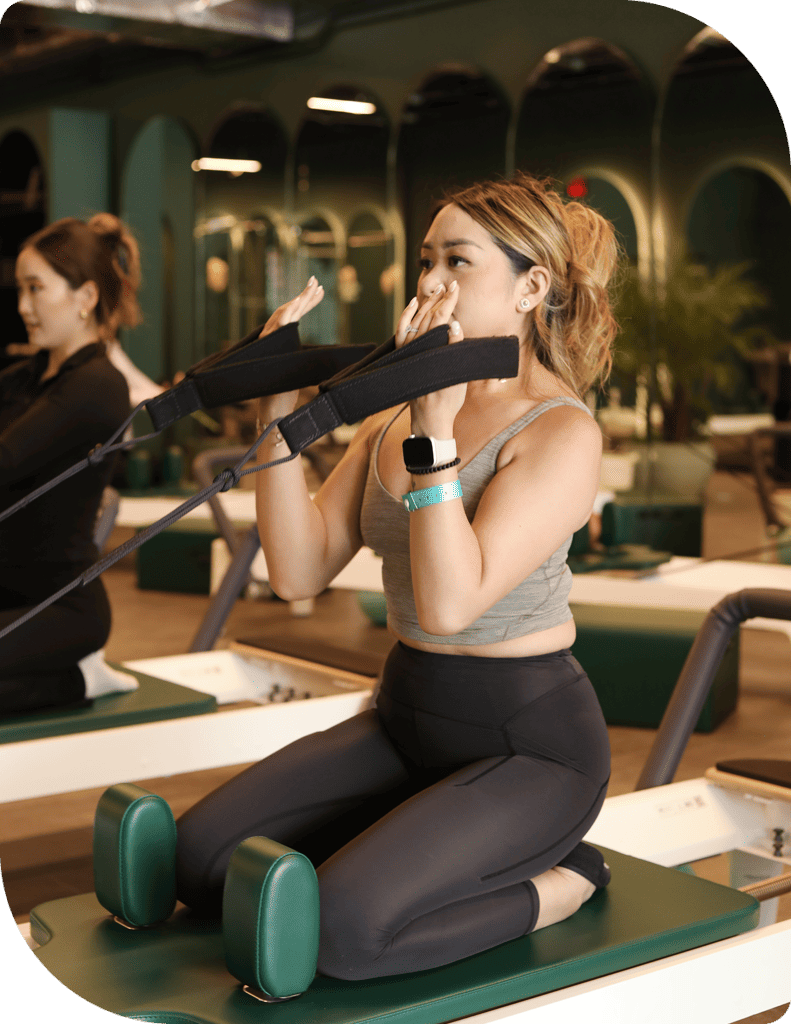
3. Chest Expansion on the Reformer
How to Do It:
- Kneel on the Reformer facing the straps, arms extended by your sides.
- Pull straps back while lifting the chest and drawing the shoulder blades together.
Benefits:
- Strengthens posterior shoulder muscles.
- Promotes spinal extension and shoulder alignment.
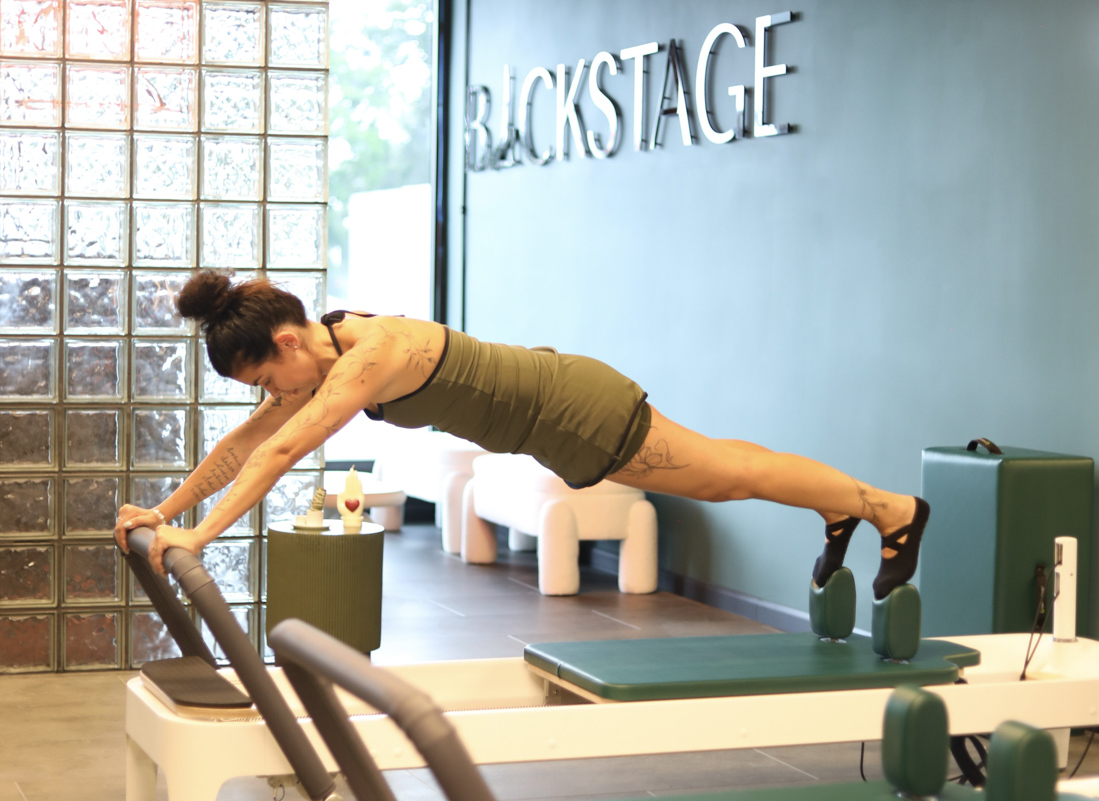
4. Plank with Shoulder Protraction
How to Do It:
- Hold a plank position on forearms or hands.
- Push your shoulder blades away from each other, rounding the upper back slightly.
- Return to neutral and repeat.
Benefits:
- Targets serratus anterior for scapular stability.
- Improves shoulder girdle endurance and core connection.
5. Arm Circles (Mat)
How to Do It:
- Lie on your back with arms extended toward the ceiling.
- Circle arms slowly while maintaining scapular control.
Benefits:
- Teaches controlled shoulder movement.
- Engages deep stabilizing muscles.
How Pilates Equipment Supports Shoulder Stability
At Backstage Pilates, we use a variety of specialized equipment to support shoulder health and development. Tools like the Reformer, Cadillac, and Tower offer spring resistance that challenges stabilizer muscles in a safe, low-impact way.
Reformer Pilates for Shoulder Control
Using the Reformer introduces resistance through controlled spring tension. This allows for gradual strengthening of the shoulder girdle while maintaining perfect form. Our Reformer Pilates classes focus on alignment and core stability, which are key for improving pilates shoulder strength.
Cadillac and Tower Work
Cadillac exercises use bars and springs to isolate and challenge the arms and shoulders. These movements help you build awareness and stability without overloading the joint. It’s especially helpful for clients recovering from injury or working on post-rehab conditioning.
Stretch Classes for Shoulder Mobility
Flexibility and mobility are just as important as strength. Our Pilates Stretch classes include gentle shoulder openers and chest expansion work, which complement stabilization efforts and help release tight fascia around the shoulder joint.
By combining strength and mobility, you create balanced shoulders that are both powerful and protected.
Integrating Shoulder Stability into Your Daily Pilates Practice
Improving shoulder stability isn’t limited to just a few exercises. It’s something you can weave into every part of your practice. Here’s how:
Check Your Form Consistently
Before starting any movement, take a moment to check your Pilates shoulder alignment. Are your shoulders level and away from your ears? Is your scapula anchored? This quick assessment can prevent unnecessary tension and guide your body into safer, stronger positions.
Use Mirrors and Instructor Feedback
If you’re practicing in our studio, use the mirrors to observe your form, or ask your instructor for tips. At Backstage Pilates, our certified trainers offer hands-on guidance to help you achieve optimal alignment and technique.
Progress Mindfully
Don’t rush through movements. Focus on control, not speed. This is especially important in shoulder work, where the smallest muscle imbalances can lead to big issues down the line. Our intermediate classes are perfect for building on foundational shoulder work with more advanced variations.
Progressive Training for Lasting Shoulder Strength
Start Small and Build Up
Improving shoulder stability in Pilates doesn’t happen overnight. It’s a gradual process that requires consistent, mindful practice. Start with basic stabilization exercises and refine your form before adding resistance or complexity. At Backstage Pilates beginner classes, we focus on foundational movements that teach you how to isolate and control your shoulders without compensating with larger muscle groups.
Once you’ve mastered the basics, you can begin to add more dynamic movements and resistance-based work. This progression ensures your rotator cuff, scapular muscles, and deltoids are strong and coordinated enough to support more advanced exercises without injury.
Use Modifications When Needed
It’s common to experience tightness or weakness in the shoulder area—especially if you’re new to Pilates or returning from an injury. Don’t hesitate to use props or modifications. For example, placing a small cushion under your head or hands can help maintain proper alignment and reduce unnecessary strain.
In our Prenatal and Postnatal classes, we often adjust exercises to protect the shoulder girdle while still building strength. This approach makes Pilates shoulder alignment accessible to all fitness levels and life stages.
Increase Resistance Gradually
One of the best parts about working on a Reformer or Tower is the ability to adjust spring tension. As your shoulder stability improves, gradually increase the resistance to challenge your muscles further. This is especially effective in moves like Chest Expansion or Arm Presses, where the springs help guide your movement while adding load.
Try our Pilates Power classes if you’re ready for a more intense, full-body workout that incorporates shoulder control under resistance. These classes are designed to build strength, stamina, and coordination—all while keeping your joints safe.
Functional Benefits of Shoulder Stability in Daily Life
While Pilates shoulder work is essential in the studio, the real benefits show up in your everyday life. Whether you’re lifting groceries, surfing at South Beach, or carrying your toddler, a strong, stable shoulder girdle protects you from strain and enhances movement efficiency.
Better Posture and Alignment
Consistently practicing shoulder control Pilates helps you maintain upright posture and avoid the forward slump that many people develop from hours at a desk or behind the wheel. When your shoulders are aligned properly, your spine extends naturally, allowing for better breathing, reduced fatigue, and improved confidence.
Improved Athletic Performance
Miami is a hub for water sports, tennis, running, and outdoor fitness. All these activities require upper body support and control. Whether you’re paddling through the Intracoastal or training for a 5K, pilates shoulder strength enhances your performance by improving coordination, endurance, and joint control.
Our corporate Pilates programs are also designed to support active professionals by boosting functional strength and reducing workplace-related tension, especially around the shoulders and neck.
Reduced Risk of Injury
Poor shoulder mechanics are a leading cause of rotator cuff injuries, impingements, and chronic pain. Pilates teaches you to move mindfully, engage properly, and align correctly—all key to protecting this sensitive joint. By strengthening the stabilizers and improving mobility, you reduce the chance of overuse and acute injuries.
Instructor Tips for Shoulder Stability Success
Our certified instructors at Backstage Pilates bring years of experience and specialized training to help you improve your shoulder function safely and effectively. Here are some of their top tips:
Slow Down and Stay Present
Precision is at the heart of Pilates. Rushing through exercises often leads to poor form and missed opportunities to engage the correct muscles. Take your time. Focus on the movement pattern, breath, and alignment. The slower you go, the more control and strength you’ll build.
Don’t Forget the Lower Body
It may sound counterintuitive, but leg and core strength play a huge role in shoulder stability. When your base is strong and steady, your upper body can move with more freedom and control. In our Classic Intermediate classes, we incorporate exercises that challenge full-body integration, helping you stabilize from the ground up.
Track Your Progress
Pay attention to how your shoulders feel over time. Are you able to keep them relaxed during arm movements? Are you noticing less neck tension? Keeping a journal or checking in with your instructor regularly can help you stay motivated and identify areas for growth.
Creating a Balanced Shoulder Routine
To get the most out of your Pilates practice, aim to create a balanced routine that includes strength, mobility, and recovery. Here’s a sample weekly schedule focused on shoulder girdle Pilates work:
- Monday: Reformer class with a focus on upper body alignment
- Tuesday: Mat work emphasizing scapular engagement and core coordination
- Wednesday: Rest or light stretching
- Thursday: Pilates Power class to challenge shoulder control under resistance
- Friday: Pilates Stretch class for shoulder mobility and fascia release
- Saturday: Cardio Jumpboard session for dynamic control and endurance
- Sunday: Optional private session to refine technique
Mixing different class formats ensures you’re not overworking one area and supports comprehensive improvement. You can check our class schedule to plan your week or book a private session for personalized guidance.
Stretch and Recover
Recovery is just as important as training. Include shoulder stretches like doorway chest openers, eagle arms, or gentle foam rolling to release tension. Our Pilates Stretch classes are designed to complement your strength training and help you maintain long-term joint health.
When to Seek One-on-One Guidance
If you’re dealing with chronic shoulder pain, a history of injury, or specific mobility limitations, personalized instruction can make all the difference. At Backstage Pilates, our private training sessions allow you to work one-on-one with a certified instructor who tailors movements to your needs and goals.
Customized Shoulder Stabilization Programs
Our instructors assess your posture, flexibility, and movement patterns to develop a customized plan. Whether you’re rehabilitating from surgery or preparing for a sports event, we’ll guide you through a progressive routine that builds strength, control, and confidence in your shoulder function.
Ideal for All Levels
Private sessions aren’t just for advanced practitioners. In fact, beginners often benefit the most from this personalized attention. It’s a safe, supportive way to learn proper Pilates shoulder placement and prevent future issues. If you’re new to Pilates and want to build a strong foundation, start with our Beginner’s Guide for helpful tips on what to expect and how to get started.
Why Backstage Pilates Is Your Go-To Studio in Miami
At Backstage Pilates, we combine expert instruction, a welcoming community, and tailored programs to help you reach your fitness goals. Whether you’re a Miami local or visiting South Florida, our studio offers a boutique experience with top-tier equipment and small class sizes for personalized attention.
Expert-Led Classes for Every Level
From beginner-friendly classes to advanced reformer work, our diverse schedule ensures you’ll find the right fit for your level and goals. We offer group classes, private training, and specialty sessions like bachelorette party Pilates and corporate wellness events.
Supportive, Inclusive Environment
Our Miami-based studio is known for its uplifting, community-focused vibe. We welcome all ages, body types, and fitness backgrounds. Whether you’re working on improving shoulder stability or simply looking for a fun way to stay active, you’ll find support and motivation here.
Convenient Location and Flexible Scheduling
Located in Hallandale Beach, Backstage Pilates is easily accessible for residents of Miami, Aventura, and Hollywood. We offer flexible class times and private session scheduling to fit your lifestyle. Contact us today to learn more or to book your first session.
Conclusion: Build Strong, Stable Shoulders with Pilates
Shoulder health is essential for every aspect of movement—from daily tasks to athletic pursuits. With proper technique, consistent practice, and expert guidance, Pilates can help you improve scapular stability, increase shoulder strength, and enhance overall posture and performance.
By focusing on shoulder stabilization exercises, maintaining correct pilates shoulder alignment, and progressing mindfully, you create a foundation that supports not just your Pilates practice, but your entire lifestyle in vibrant, active Miami.
Whether you’re just starting out or looking to deepen your practice, Backstage Pilates is here to support your journey. Explore our classes, check our schedule, or book a private session to experience the transformative power of Pilates for stable, strong, and pain-free shoulders.