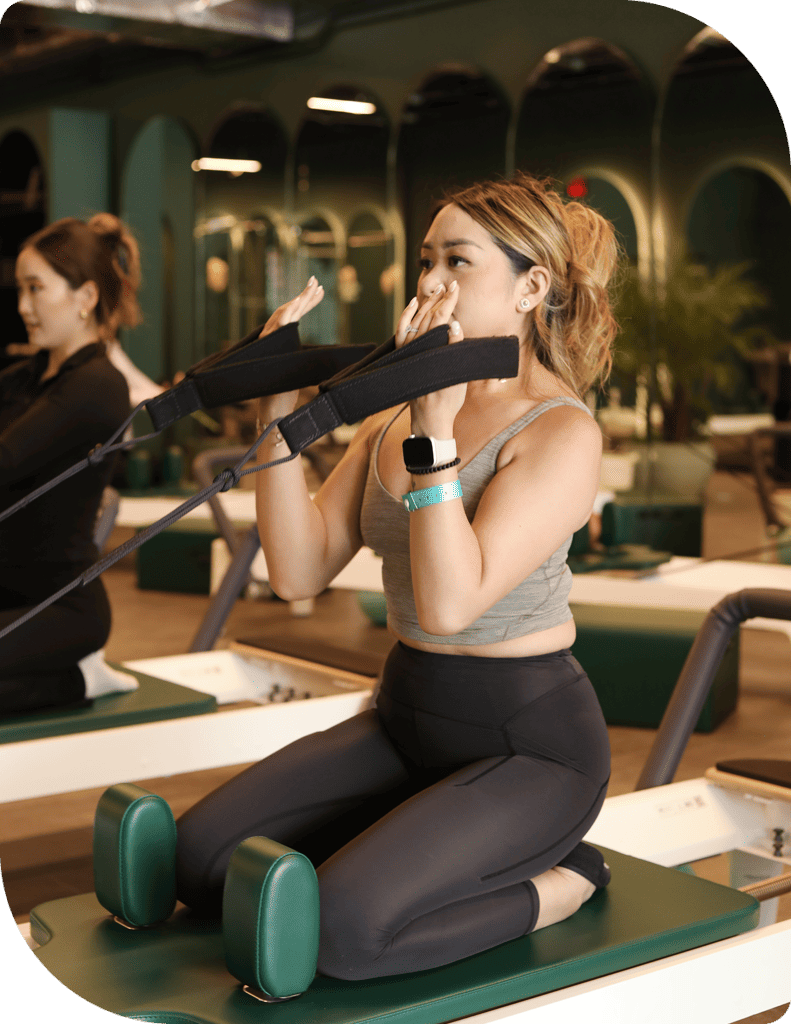
Teaching Pilates to beginners requires intentional communication, thoughtful cueing, and a deep understanding of body awareness. This guide explores essential strategies for guiding first-time Pilates clients with confidence and clarity in Miami’s wellness-driven culture.
Understanding the Needs of First-Time Pilates Clients
Welcoming first time Pilates clients into your studio is both exciting and a key responsibility. Miami’s health-conscious community is constantly seeking new ways to move, and Pilates is a top choice for those looking for core strength, flexibility, and mindfulness. But for a newcomer, the Reformer can seem intimidating, the movements unfamiliar, and the terminology overwhelming. That’s where thoughtful instruction matters most.
Whether you’re teaching a large group or hosting private Pilates sessions, beginners need a foundation that sets them up for long-term success. This starts with understanding their expectations, limitations, and motivation for joining.
Why Beginners Choose Pilates
First-time clients in Miami are often drawn to Pilates for:
- Improved posture and core strength
- Rehabilitation after injury or surgery
- Stress relief and mental clarity
- Weight management and body toning
- Increased flexibility and mobility
Many clients come from other fitness backgrounds—like HIIT, yoga, or running—and may expect a similar pace. It’s important to address these expectations early in your intro Pilates class to ensure a smooth transition into the Pilates method.
Creating a Welcoming Environment
First impressions matter. A beginner-friendly Pilates environment should be:
- Warm and non-judgmental
- Clean and organized with equipment clearly explained
- Supportive, with modifications encouraged
- Focused on progress, not perfection
Studios like Backstage Pilates prioritize personalized support in beginner classes, ensuring every new student feels seen, heard, and empowered from their very first session.
Essential Beginner Pilates Cues That Build Confidence
Clear and consistent cueing is the cornerstone of teaching Pilates beginners. Effective cues not only guide the body but also help the mind understand what’s happening internally. For new Pilates students, this connection can be transformative.
1. Start With Breath Awareness
Breath is the foundation of Pilates. Before diving into movement, teach the breath technique:
- Cue: “Inhale through the nose to expand your ribs wide. Exhale through the mouth like you’re blowing through a straw.”
- Why it matters: It connects the mind to the body and prepares the core muscles for action.
- Beginner tip: Place hands on the ribcage to feel the expansion and contraction.
2. Activate the Core Without Tension
Many beginners confuse “core activation” with sucking in the belly or bracing too hard. Teach gentle engagement instead:
- Cue: “Draw your belly button gently toward your spine without moving your ribs or pelvis.”
- Why it matters: It prevents overuse of superficial muscles and supports lower back health.
- Beginner tip: Use a tactile cue like placing a hand over the lower abdomen to feel engagement.
3. Maintain Spinal Alignment
One of the most important Pilates beginner instructions is understanding neutral spine:
- Cue: “Imagine your spine as a string of pearls. Keep the natural curves of your back without flattening or arching.”
- Why it matters: It builds awareness of alignment and prevents injury.
- Beginner tip: Use visual aids or mirrors to help clients check their posture.
4. Use Simple Visual and Kinesthetic Cues
Visual imagery helps beginners understand movement more intuitively:
- “Float your arms like you’re moving through water.”
- “Zip up through your inner thighs like a tight pair of jeans.”
- “Lengthen your spine like you’re growing taller.”
These Pilates starter cues create a strong mind-body connection and make classes more engaging and fun.
5. Encourage Controlled Movement
Fast movements can lead to poor form. For first Pilates class cues, emphasize slowing down:
- Cue: “Move with control, not momentum. Pilates is about precision, not speed.”
- Why it matters: It protects joints, improves muscle recruitment, and builds endurance.
Common Mistakes Beginners Make—and How to Correct Them
Even in the most supportive environment, new Pilates students will make common errors. Addressing these gently and effectively is key to building their confidence and progress.
1. Overusing the Neck and Shoulders
Problem: Beginners often carry tension in the upper body, especially during ab work.
- Cue: “Relax your shoulders away from your ears. Imagine you’re melting into the mat.”
- Correction: Offer a towel behind the head or reduce range of motion for support.
2. Holding the Breath
Problem: New clients tend to hold their breath when concentrating, reducing oxygen flow and increasing tension.
- Correction cue: “Keep breathing smoothly—inhale to prepare, exhale to move.”
- Tip: Practice breath sequences at the beginning of class or during transitions.
3. Improper Pelvic Positioning
Problem: Many newcomers either flatten their backs or over-arch during leg work or bridging.
- Cue: “Find neutral—feel your tailbone heavy and pubic bone level.”
- Correction: Use a small towel under the pelvis or a tactile cue with the hands.
4. Rushing the Reformer Springs
Beginners in Reformer Pilates may push or pull the carriage too quickly, relying on momentum instead of muscle control.
- Correction cue: “Let the springs guide you, not control you. Move slow and steady.”
- Demo: Show the correct speed and control during each exercise.
5. Lack of Body Awareness
Problem: New clients may not be aware of misalignments or imbalances.
- Solution: Incorporate mirror work, tactile cues, and positive reinforcement.
- Tip: Use Pilates props like rings or balls to encourage balanced activation.
Structuring an Introductory Pilates Class
Designing a beginner-friendly class requires thoughtful sequencing, clear goals, and lots of encouragement. Whether you’re leading a Pilates Classic Beginners session or a one-on-one session, use structure to ease anxiety and build trust.
Begin with Orientation
Start each class with a short introduction:
- Welcome each client individually
- Briefly explain the Pilates method and what to expect
- Introduce the equipment and props
- Encourage questions and curiosity
Having a clear and confident start helps reduce beginner anxiety and sets the tone for a positive session.
Progressive Warm-Up
Begin with breath work, gentle spinal movements, and core activation:
- Supine breathing with rib expansion
- Pelvic tilts and bridges
- Arm reaches and circles to mobilize the shoulders
These movements create a safe starting point and awaken the neuromuscular system.
Introduce Core Pilates Movements
Select a few core exercises that are beginner-friendly:
- Toe taps or dead bug variations for core control
- Leg circles with small range of motion
- Supported Hundred prep with bent knees
Offer modifications and explain the intention of each movement clearly, using beginner Pilates cues that reinforce alignment and breath.
Use Reformer or Mat Basics
For clients attending a Reformer intro session, start with spring settings that offer support and resistance. Good starting exercises include:
- Footwork on the Reformer
- Leg straps with knees bent
- Seated arm series with light springs
Explore our Pilates Stretch and Pilates Power classes for more movement options suitable for all levels.
Cool Down and Integration
Finish class with gentle spinal twists, hip openers, and breath work. This reinforces the mind-body connection and encourages clients to reflect on how they feel after movement.
- Cue: “Notice how your body feels now—lighter, more centered, more alive.”
Allow time for questions and feedback after class to reinforce community and support.
Tips for Teaching Pilates Newcomers in Miami
Miami’s wellness scene is vibrant, diverse, and fast-paced. To be successful in teaching Pilates beginners here, you must balance technical knowledge with cultural awareness and client-centered care.
1. Embrace Cultural Diversity
South Florida is a melting pot of cultures, languages, and fitness experiences. Be inclusive with your language and welcoming to all backgrounds. If possible, learn a few cues in Spanish or Portuguese to better serve your clients.
2. Reflect Miami’s Active Lifestyle
Many beginners are already active in outdoor sports, yoga, or gym routines. Position Pilates as a complement to their current lifestyle. Emphasize benefits like:
- Joint longevity for runners
- Core control for surfers and paddleboarders
- Flexibility for dancers and yogis
Invite them to check our schedule and try different class types as they grow in confidence.
3. Offer Variety and Customization
Newcomers often want to explore different formats. Introduce them to diverse offerings such as:
- Pilates Cardio Jumpboard for energy and sweat
- Prenatal/Postnatal Pilates for new and expecting moms
- Corporate Pilates for workplace wellness
Encourage them to explore private sessions or wellness packages that fit their goals.

Effective Communication Techniques for Teaching New Pilates Students
Build Trust Through Language
Your language shapes the client experience. When teaching new Pilates students, use inclusive, empowering phrases that reinforce progress and capability. Avoid jargon or overly complex anatomical terms unless you’ve already explained them. Instead, opt for language that resonates with everyday movement.
- Instead of: “Engage your transverse abdominis.”
- Say: “Gently draw your belly inward like you’re zipping up a tight jacket.”
Trust-building starts with how you speak. Use your tone and tempo to instill calm and clarity—especially important for first time Pilates clients who may feel nervous or unsure. A gentle, confident voice helps clients feel safe and supported.
Encourage Two-Way Feedback
Teaching Pilates beginners requires ongoing communication. Check in regularly during class with simple questions like:
- “How does that feel?”
- “Can you feel your core working here?”
- “Would you like to try a different variation?”
These questions invite feedback without pressure and allow you to adapt your intro Pilates class tips in real-time. Over time, clients will become more self-aware and confident in their practice.
Demonstrate and Mirror Movements
Visual learning is powerful. Always demonstrate new exercises and use mirrors when possible so clients can observe both you and themselves. For Miami clients who are often visually driven and detail-oriented, this can significantly boost learning.
Try standing next to the client to guide them physically or mirroring their movement for easier follow-along. This approach reinforces your Pilates beginner instructions through multiple learning styles.
Celebrate Small Wins
Positive reinforcement is key in teaching Pilates newcomers. Recognize improvements, no matter how small. Acknowledge good posture, breath coordination, or sustained focus. For example:
- “Great awareness on your spinal alignment just now!”
- “You’re really connecting with your breath—nice work!”
Celebrating progress helps build confidence and motivation, which is especially important in a city like Miami where self-improvement and body confidence are high priorities.
Advanced Cueing Strategies for Beginner-Friendly Pilates Teaching
Layering Cues for Clarity
New clients often feel overwhelmed when too many instructions are given at once. Use the cue layering technique—start with a simple direction, then add more detail as the movement progresses.
For example, during a bridge:
- Start with: “Press into your heels and lift your hips.”
- Then add: “Keep your ribs soft and your spine long.”
- Finally: “Breathe out as you lift, and in as you return.”
This step-by-step breakdown allows clients to absorb information gradually, making your first Pilates class cues more digestible and effective.
Use Name-Based Cueing for Personalization
When you know your client’s name, use it. For example: “Nice work, Maria—keep your shoulders relaxed.” This personal touch enhances engagement and makes clients feel seen. In a boutique studio environment like Backstage Pilates, these small details create a premium, personalized experience.
Teach with Purposeful Silence
Sometimes the most powerful cue is silence. After giving a cue, allow clients time to process and feel the movement. Don’t rush to fill every moment with instruction. This space encourages embodiment and internal listening—a core principle of Pilates.
Anchor Movement with Breath
Breath keeps clients grounded and connected. Reinforce movement timing with breath cues:
- “Inhale to prepare, exhale to move.”
- “Exhale to engage your core as you lift.”
Anchoring movement to breath creates rhythm and reinforces the mind-body connection, especially helpful when teaching Pilates beginners who are still learning internal awareness.
Adapting for Different Learning Styles and Physical Needs
Visual Learners
Use demonstrations, mirrors, and imagery. Say: “Imagine a string pulling the crown of your head to the ceiling.” Visual learners often respond well to metaphor and analogy, so paint clear pictures with your words.
Auditory Learners
These clients absorb information best through spoken instruction. Repeat cues clearly, use rhythmic phrasing, and emphasize breath timing. Soft background music can also enhance concentration without distraction.
Kinesthetic Learners
These clients need to feel the movement. Offer hands-on adjustments (with consent) or guide them to self-correct using props. Say: “Place your hand on your lower back to feel the neutral spine.”
Clients with Injuries or Limitations
Always ask about injuries before class and offer modifications throughout. For example, someone with a lower back issue may benefit from keeping their feet grounded during core work. Encourage use of props, smaller ranges of motion, or alternative positions.
Our class preparation guide offers additional insights for accommodating special needs and ensuring a safe experience for all.
Pre- and Postnatal Clients
Pregnant or postpartum clients require specific attention to core and pelvic floor health. Offer safe modifications and refer them to our specialized Prenatal/Postnatal Pilates classes for tailored support.
Continuing the Client Journey After the First Class
Suggest the Right Next Class
After your client’s first session, recommend the next step based on their goals. For beginners, Pilates Classic Beginners is a natural progression. As confidence builds, suggest transitioning into Pilates Classic Intermediate classes.
Encourage Private Sessions for Personalization
Some clients benefit from more individualized attention. Invite them to explore private Pilates training where sessions are tailored to their needs, pace, and physical conditions. This is a great fit for those with injuries, performance goals, or specific body awareness challenges.
Reinforce a Consistent Practice
Remind clients that consistency is key. A regular Pilates practice builds strength, improves flexibility, and enhances body awareness over time. Encourage them to check our class schedule and book their next session before leaving the studio.
Offer Resources for Continued Learning
Direct clients to helpful educational tools such as:
These resources support independent learning and reinforce what they’ve experienced in class.
Creating a Lasting Impression with First-Time Clients
Follow Up After the First Class
Reach out within 24–48 hours to thank them for attending and provide a friendly recap. Mention progress observed and suggest next steps. This thoughtful gesture builds trust and encourages repeat visits.
Example email snippet:
“Hi [Client Name], it was a pleasure having you in class today! You showed great control and focus, especially during your core work. We’d love to see you again—feel free to book your next session or reach out with any questions!”
Invite Clients Into the Community
Pilates isn’t just about the workout—it’s about the community. Encourage clients to bring a friend, join a themed class, or attend a wellness event. At Backstage Pilates, our welcoming Miami-based culture fosters connection and lasting transformation.
Promote Consistency with Packages and Memberships
Introduce pricing options that support long-term growth. Whether it’s a beginner series, private package, or group class bundle, help clients choose what aligns with their goals. Direct them to our pricing page for current offers and membership details.
Encourage Goal-Setting and Reflection
Invite new clients to consider what they want to achieve through Pilates—whether it’s improved posture, pain relief, or better athletic performance. Revisit these goals periodically to maintain motivation and track progress.
Conclusion: Empowering New Clients Through Thoughtful Teaching
Teaching Pilates newcomers is an opportunity to inspire lasting change. By using clear, beginner-friendly cues, adapting your instruction to different learning styles, and creating a supportive environment, you help clients experience the full benefits of Pilates from day one.
In Miami’s fast-paced, health-focused culture, studios like Backstage Pilates offer a sanctuary for mindful movement and personal growth. Whether you’re guiding a group class, leading a private session, or supporting clients in corporate wellness settings, your cues and connection matter.
Ready to transform lives through Pilates? Contact us to learn more about our instructor training, class schedules, or to book your next session. Let’s make every first Pilates experience empowering, educational, and unforgettable.