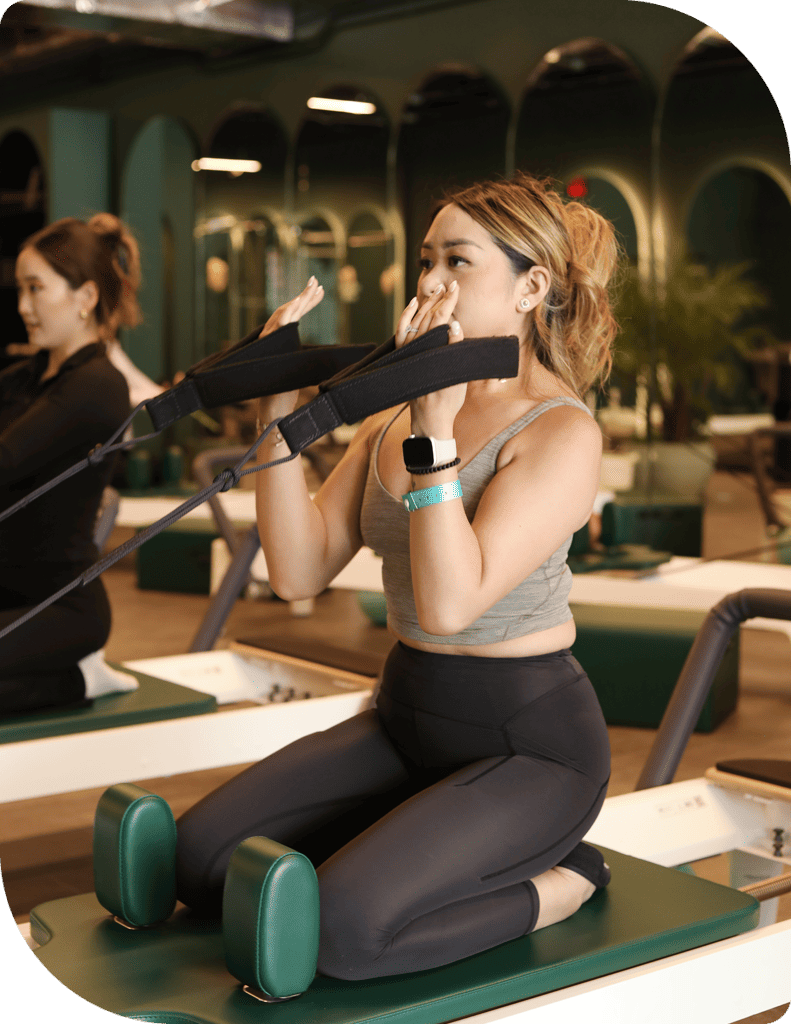
Pilates can be a game-changer for Miami marathon runners. This article explores how incorporating Pilates into your race prep and recovery routine boosts performance, prevents injuries, and enhances overall wellness for those training for the Miami Marathon or Half Marathon.
Why Miami Marathon Runners Should Include Pilates in Their Training
Running the Miami Marathon or Half Marathon is no small feat. Whether you’re a seasoned runner or training for your first big race, proper conditioning, injury prevention, and post-race recovery are essential to your success. That’s where Pilates comes in. As a low-impact yet highly effective form of movement, Pilates offers a full-body approach to strength, flexibility, and balance — all crucial for runners.
At Backstage Pilates in Miami, we work with runners of all levels to support their training journeys. From enhancing stride efficiency to speeding up muscle recovery, Pilates is one of the best cross-training tools available for Miami runners prepping for race day.
The Demands of Miami Marathon Training
Training for a marathon in Miami comes with unique challenges — heat, humidity, and the physical toll of high mileage. The repetitive motion of running can lead to tight hip flexors, weak glutes, and lower back discomfort. Pilates helps runners address these imbalances through controlled, intentional movements that target stabilizing muscles often missed in traditional running workouts.
Incorporating Pilates into your Miami marathon training routine can:
- Improve core strength and running posture
- Enhance flexibility and joint mobility
- Reduce risk of overuse injuries
- Support faster recovery between training runs
All of these elements contribute to a more efficient, injury-free race preparation — whether you’re aiming for the full or the half marathon distance.
Benefits of Pilates for Runners
Pilates is not just a trend, it’s a science-backed method that supports functional movement. For runners in Miami, where the climate and terrain add extra stress to the body, Pilates offers a safe and strategic way to improve performance without additional impact.
1. Core Strength and Stability
Your core does more than power your abs — it stabilizes your spine and pelvis while you run. Strong core muscles reduce fatigue and help you maintain proper form throughout your race. Pilates focuses on deep core activation, training the transverse abdominis and pelvic floor muscles that support your running posture.
2. Flexibility and Mobility
Running tightens muscles like the hamstrings, calves, and hip flexors. Over time, this can lead to imbalances and pain. Pilates includes dynamic and static stretches that increase range of motion, improve stride length, and reduce the risk of strains.
3. Balance and Body Awareness
Proprioception — your body’s sense of spatial awareness — is vital for running on uneven Miami terrain or during crowded race conditions. Pilates enhances balance, coordination, and control, helping you avoid ankle sprains or falls during training or on race day.
4. Injury Prevention
Common running injuries like IT band syndrome, plantar fasciitis, and shin splints often stem from muscle weaknesses or imbalances. Pilates strengthens the muscles around joints, improves alignment, and teaches proper movement patterns, making it one of the most effective tools for running injury prevention in Miami.
How Pilates Supports Pre-Race Conditioning
As you gear up for race day, your mileage increases and your body takes on more strain. Mixing in Pilates 1–3 times per week during your training cycle can greatly enhance your marathon conditioning in Miami. Pilates is especially helpful for maintaining balance in your body as you log more miles and push your endurance limits.
Pilates as Cross-Training for Runners
Cross-training helps runners avoid burnout and injury. Pilates is a perfect complement to running because it’s low-impact and builds strength without stressing your joints. Adding Reformer Pilates to your weekly routine boosts muscular endurance, balance, and coordination, making it excellent for pilates cross training runners focused on performance and longevity.
Best Pilates Classes for Runners at Backstage Pilates
At Backstage Pilates, we offer several class formats that are ideal for Miami runners:
- Pilates Stretch – Great for improving flexibility and active recovery.
- Pilates Power – Builds strength and stamina with a more intense workout.
- Pilates Cardio Jumpboard – Adds a cardio element using the Reformer, perfect for runners looking to maintain heart rate without pounding the pavement.
We also offer private training sessions tailored specifically to your running goals and areas of concern. These can be an excellent choice for runners recovering from previous injuries or preparing for their first big race.
When to Add Pilates to Your Training Schedule
If you’re training for the Miami Half Marathon or full marathon, timing your Pilates sessions correctly is key. Here’s a general guide:
- Early stages (12–16 weeks out): Focus on building strength and core stability. Add 2–3 Pilates sessions per week.
- Middle stages (8–12 weeks out): Reduce to 1–2 sessions per week to complement your peak mileage weeks.
- Final weeks (2–4 weeks out): Emphasize mobility, stretching, and active recovery.
Our instructors can help you create a balanced schedule by reviewing your running plan and recommending the best class options. You can check our schedule to find class times that work around your running sessions.
Pilates Techniques for Runners: What to Focus On
Not all Pilates exercises are created equal when it comes to running support. Specific movements target key muscle groups and movement patterns that runners use during training and racing. Here are some of the most effective Pilates techniques for runners in Miami:
1. Core Activation
Exercises like the Hundred, Planks, and Leg Pull Front target the deep core muscles that stabilize the spine and pelvis. These moves help you maintain efficient form over long distances, reducing lower back pain and hip fatigue.
2. Hip Mobility and Strength
Hip flexors and glutes are essential for a strong stride. Movements like Leg Circles, Shoulder Bridge, and Side-Lying Leg Series strengthen and stretch these areas, enhancing running mechanics and stride control.
3. Spinal Alignment
Good posture promotes better oxygen intake and reduces fatigue. Pilates exercises such as Spine Stretch Forward, Roll-Ups, and Swan help maintain spinal mobility and alignment, which can make a big difference during long races.
4. Ankle and Foot Strength
Strong feet and ankles are vital for shock absorption and propulsion. Toe Taps, Footwork on the Reformer, and Calf Raises improve ankle mobility and foot stability, reducing the risk of injuries like plantar fasciitis or Achilles tendonitis.
5. Breath Work
Breathing patterns are often overlooked in running. Pilates teaches diaphragmatic breathing, which improves lung capacity and helps regulate pace. Practicing breath control during Pilates can directly translate to your performance during the Miami Marathon.
Tailoring Pilates to Your Race Goals
Your approach to Pilates will vary depending on your experience level, race goals, and physical needs. At Backstage Pilates, we offer group classes and private sessions that adapt to your fitness level — whether you’re a beginner runner or an elite athlete.
Beginner Runners
New to running or Pilates? Start with our Pilates Classic Beginners class. It introduces foundational movements and focuses on core strength and flexibility. It’s an ideal entry point for those starting their Miami running training journey.
Intermediate to Advanced Runners
If you’ve completed a few races or are training for a PR, our Pilates Classic Intermediate class challenges your coordination and muscular control. It’s perfect for experienced runners looking to refine posture and prevent injury while building full-body strength.
Custom Programs for Specific Needs
For runners managing old injuries or recovering post-race, we recommend our 1-on-1 private sessions. These offer personalized programming based on your goals and body mechanics. Our instructors can help with everything from correcting gait imbalances to targeting tight or weak areas that affect your running.
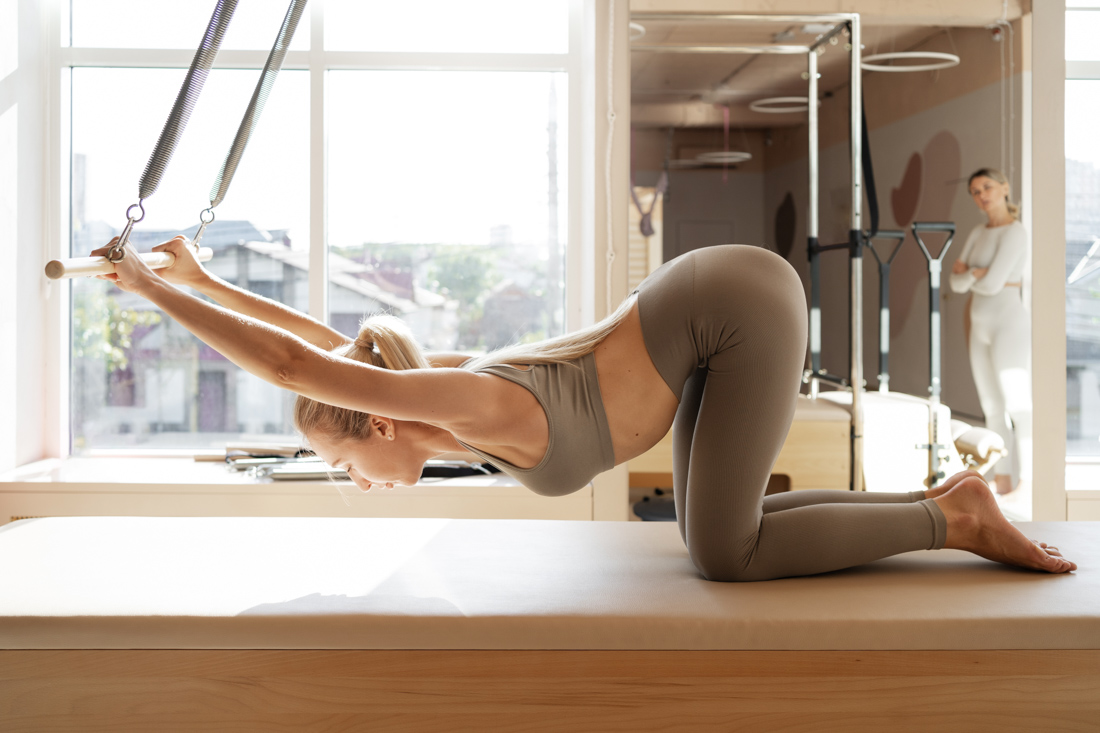
Post-Race Recovery: How Pilates Helps After the Finish Line
Crossing the finish line of the Miami Marathon or Half Marathon is an incredible accomplishment. But what you do after the race is just as important as your training. Recovery is essential to prevent injuries, reduce soreness, and restore your body for future runs or competitions. This is where marathon recovery Pilates can make a powerful impact.
After pounding the pavement for 13.1 or 26.2 miles in Miami’s heat and humidity, your muscles, joints, and connective tissues need time to heal and realign. Pilates offers a gentle, effective way to ease back into movement, flush out lactic acid, and restore flexibility and strength without adding stress to your body.
Why Recovery Matters for Runners
Many runners make the mistake of jumping back into training too soon or skipping recovery altogether. The result? Prolonged soreness, decreased performance, and even long-term injuries. Incorporating Pilates into your post-marathon plan supports faster healing and helps your body bounce back stronger.
Key benefits of Pilates for post-race recovery include:
- Gentle movement to stimulate circulation and reduce inflammation
- Stretching to release tight muscles and restore range of motion
- Core reactivation and spinal alignment after fatigue
- Mind-body connection to reduce stress and promote relaxation
These elements are especially helpful after the Miami Marathon, where heat, humidity, and pavement running can take a toll on your entire body.
Best Pilates Classes for Recovery at Backstage Pilates
At Backstage Pilates, we offer recovery-focused classes that support your body after a race. Whether you’re dealing with post-race tightness or just need to reintroduce movement gently, these classes are ideal for your recovery week:
- Pilates Stretch – This class focuses on deep stretching and mobility work to release tension and improve flexibility after your race.
- Reformer Pilates – Great for reintroducing low-impact strength training and enhancing joint stability post-race.
- Private Training – Personalized sessions can address specific sore spots or injuries and are excellent for tailoring your recovery.
We recommend waiting at least 48–72 hours after your race before returning to exercise. Use this time for gentle walking, hydration, and rest. When you’re ready, Pilates is a smart first step back into movement.
Listening to Your Body During Recovery
Recovery isn’t one-size-fits-all. Some runners feel ready to move within a few days, while others need a week or more. Pay attention to how your body feels. Are you still sore? Experiencing tightness in your hips or calves? Pilates sessions at Backstage Pilates are designed to meet you where you are — whether you need restorative movement or a gentle strength rebuild.
If you’re unsure how to ease back into fitness, our expert instructors can guide you. Explore our class schedule or book a private session to receive a tailored plan based on your post-marathon recovery needs.
Preventing Running Injuries with Pilates
Injury prevention is one of the biggest challenges for marathon and half-marathon runners. The repetitive nature of running — especially during intense Miami running training cycles — can lead to common overuse injuries. Pilates helps by strengthening the small, stabilizing muscles that support your joints and improving movement efficiency.
Common Injuries Pilates Can Help Prevent
- IT Band Syndrome: Caused by tight hips and weak glutes. Pilates improves hip mobility and strengthens the glute medius for better alignment.
- Plantar Fasciitis: Often a result of tight calves and weak foot muscles. Pilates improves ankle mobility and foot strength through targeted exercises like Footwork on the Reformer.
- Runner’s Knee (Patellofemoral Pain Syndrome): Triggered by poor alignment and weak quads. Pilates promotes balanced muscle development and proper knee tracking.
- Shin Splints: Result from poor shock absorption or overuse. Pilates strengthens the lower leg and improves body mechanics to reduce stress on the shins.
Working with a certified Pilates instructor can help you identify and correct the movement patterns that lead to these injuries. Our team at Backstage Pilates includes highly trained professionals who understand the biomechanics of running and how to support injury prevention through Pilates.
Injury Prevention Tips for Runners Using Pilates
Here are a few practical ways to use Pilates as a preventative tool in your Miami marathon training:
- Incorporate unilateral exercises: Running is a single-leg activity. Pilates moves like single-leg bridges and side-lying leg work help correct imbalances between the left and right sides of your body.
- Focus on hip and glute strength: Weak hips are a top cause of running injuries. Add exercises like Clamshells, Shoulder Bridge, and Leg Circles to your cross-training routine.
- Don’t skip the core: A strong core stabilizes your spine and pelvis, helping you maintain proper form as you fatigue. Planks, the Hundred, and Roll-Ups are great additions.
- Stretch regularly: Use Pilates Stretch or cool-down sequences to keep muscles long and mobile, especially after long runs or races.
Our class offerings include both strength-building and recovery-focused formats to help runners stay consistent, strong, and injury-free all season long.
Integrating Pilates into a Year-Round Running Routine
While Pilates is great for race prep and recovery, its benefits extend far beyond marathon season. In fact, runners who incorporate Pilates consistently throughout the year experience better performance, fewer injuries, and a more enjoyable training experience overall.
Pilates for Off-Season Conditioning
After your race is over and your recovery is complete, it’s a great time to focus on strength building and mobility. This is where Pilates truly shines. During the off-season, you can increase your number of weekly sessions or try a new format, like Pilates Power or Pilates Classic Intermediate, to challenge your body in new ways.
Off-season Pilates training helps maintain a strong foundation so when you start your next Miami marathon training cycle, you’re already ahead of the game physically and mentally.
Creating a Balanced Training Plan
Here’s a sample week for a Miami runner looking to integrate Pilates into a year-round plan:
- Monday: Rest or light Pilates Stretch session
- Tuesday: Speed run + 30-minute Pilates core series
- Wednesday: Reformer Pilates (strength and balance focus)
- Thursday: Tempo run or intervals
- Friday: Pilates Power or private session for strength training
- Saturday: Long run
- Sunday: Active recovery with Pilates Stretch or rest
Using this structure, you can stay consistent with Pilates while still hitting your running goals. For busy professionals, our Corporate Pilates program is a great way to integrate wellness into your workday, especially during high-mileage weeks.
Why Miami Runners Choose Backstage Pilates
At Backstage Pilates, we understand the unique needs of South Florida runners. Our fully equipped studios are climate-controlled — a welcome relief from Miami’s heat — and our class formats are designed to meet diverse fitness goals. Whether you’re training for your first race or your tenth marathon, we offer a supportive environment where you can build strength, improve flexibility, and recover with care.
Expert Instructors and Personalized Support
Our experienced instructors work with runners of all levels to help them move better, feel stronger, and stay injury-free. We take pride in offering:
- Small class sizes for personalized attention
- Private sessions for focused, goal-specific training
- Programs tailored to Miami runner fitness and lifestyle
Get to know our instructors and see how their expertise can make a difference in your marathon journey.
Multiple Class Options for Runners
Our wide selection of classes ensures you can find something that fits your training phase — whether that’s building strength, improving flexibility, or recovering after race day. Explore our:
- Beginner classes to get started with confidence
- Cardio Jumpboard sessions for low-impact cardio
- Private training for personalized performance plans
Convenient Locations and Flexible Scheduling
We offer convenient access to our Hallandale Beach Studio and other Miami-area locations, with early morning, evening, and weekend classes to fit your training schedule. Check our schedule and book a session that works for your lifestyle.
Conclusion: Take Your Running Further with Pilates
Whether you’re preparing for the next Miami Marathon, recovering from race day, or looking to improve your Miami runner fitness year-round, Pilates offers everything you need to move better, run stronger, and feel your best. From core stability and flexibility to injury prevention and recovery, Pilates is a smart, sustainable way to support your running goals.
At Backstage Pilates, we’re here to help you every step of the way. Join our group classes, explore private Pilates sessions, or discover our corporate wellness programs designed for active professionals.
If you’re serious about your running and want to stay healthy, strong, and injury-free, it’s time to add Pilates to your training plan. Contact us today or book your session and experience the Backstage Pilates difference — where movement meets performance in the heart of Miami.