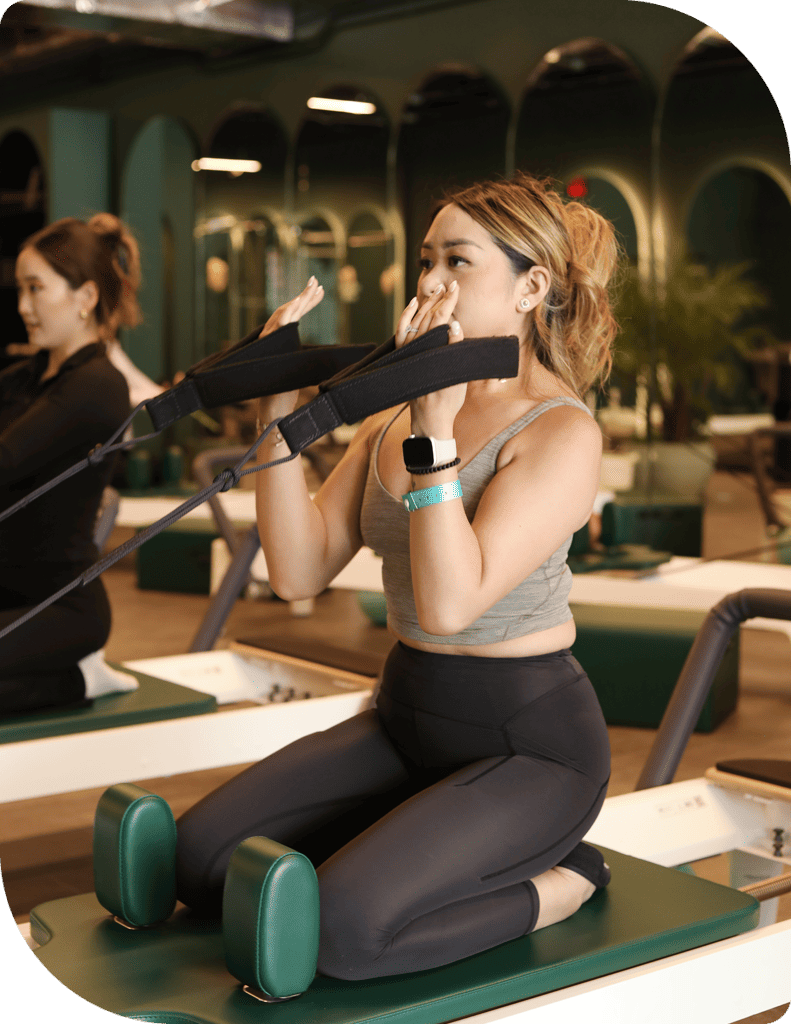
Wondering how often you should do Pilates to see real results? This comprehensive guide explores science-backed recommendations, optimal Pilates frequency, and how to build a routine that fits your lifestyle—whether you’re in Miami or beyond.
How Often Should You Do Pilates? Science Meets Practice
If you’re considering starting a Pilates workout plan or already doing it regularly, you’ve probably asked yourself: how often should you do Pilates to see results? The answer depends on your fitness goals, lifestyle, and whether you’re a beginner or a seasoned mover. In this article, we’ll explore the optimal Pilates frequency based on scientific research, expert recommendations, and practical insights from our instructors at Backstage Pilates Miami.
Whether you’re looking to strengthen your core, improve flexibility, reduce stress, or simply move better, Pilates can be a transformative practice. But consistency and smart scheduling are key. Let’s dive into how often you should practice Pilates—and what kind of results you can expect with various routines.
Why Pilates Works: A Quick Look at the Science
Pilates is a mind-body exercise system developed by Joseph Pilates that emphasizes core strength, postural alignment, and controlled, precise movements. It’s low-impact, adaptable for all fitness levels, and backed by science for its numerous health benefits, including:
- Improved muscle tone and core strength
- Better posture and spinal alignment
- Enhanced flexibility and joint mobility
- Stress reduction and mental focus
- Injury prevention and rehabilitation support
The key to these benefits? Pilates consistency. But how much Pilates is too much—and how little is too little?
Finding Your Ideal Pilates Frequency
There’s no one-size-fits-all answer to how many times a week you should do Pilates. The right frequency depends on your individual goals, schedule, and current fitness level. Let’s break it down.
Pilates Once a Week: Is It Enough?
If you’re wondering, “Is Pilates once a week enough?”—the short answer is: it’s a start, but for most people, it’s not optimal. Practicing once a week can still offer some benefits, especially if you’re doing other forms of exercise. It can help with mobility, mental clarity, and body awareness. However, for significant strength gains or postural improvements, once-a-week sessions may not be sufficient.
Best for: Beginners easing into a new routine, or those combining Pilates with other workouts like running, strength training, or yoga.
Pilates Twice a Week: The Balanced Approach
Pilates twice a week is often considered the minimum frequency for noticeable results. At two sessions per week, you’re giving your body enough time to adapt to the movements while still allowing for recovery.
According to research published in the Journal of Bodywork and Movement Therapies, participants who practiced Pilates twice weekly for 8–12 weeks showed significant improvements in core endurance, flexibility, and posture.
Best for: Busy professionals, active Miami residents, or those looking for a sustainable wellness routine without overcommitting.
Pilates 3 Times a Week: The Ideal Routine
For most people, Pilates 3 times a week hits the sweet spot. This frequency aligns with Joseph Pilates’ own famous advice: “In 10 sessions you’ll feel the difference, in 20 you’ll see the difference, and in 30 you’ll have a whole new body.”
Practicing three times a week provides enough consistency for strength and mobility improvements while still allowing rest days. At Backstage Pilates, our group classes and private sessions are designed to support this optimal cadence.
Best for: Those seeking visible results in strength, posture, and body composition while maintaining work-life balance.
Pilates Every Day: Too Much or Just Right?
Can you do Pilates everyday? Yes—but with a few caveats. While Pilates is low-impact, your body still needs time to recover, especially if you’re doing intense reformer sessions or high-resistance workouts.
Daily Pilates can work if you alternate between intensity levels. For example, you might do a challenging reformer workout one day and focus on gentle mat work or stretching the next. This approach supports recovery while keeping you consistent.
Best for: Advanced practitioners, athletes, or individuals using Pilates for rehabilitation or stress relief.
Pilates Every Other Day: A Sustainable Middle Ground
If daily Pilates feels like too much, try practicing Pilates every other day. This schedule offers balance—enough frequency to build strength and flexibility while giving your muscles time to recover and adapt.
This routine is especially recommended for individuals with busy schedules or those easing back into exercise after an injury or long break.
Best for: Long-term consistency, avoiding burnout, and building a sustainable Pilates weekly routine.
Building a Pilates Workout Plan That Works for You
Now that you know the potential frequencies, it’s time to create a Pilates workout plan that fits your lifestyle, goals, and schedule. Let’s look at how to structure your weekly routine.
Goal-Oriented Pilates Scheduling
For Strength & Muscle Tone
To build lean muscle and core strength, aim for Pilates 3–4 times per week, including at least one reformer or resistance-based session. You can alternate between group classes and private Pilates sessions for a more personalized approach.
For Flexibility & Mobility
If your goal is to improve flexibility, mobility, and joint health, 2–3 sessions per week focused on stretching, controlled movement, and breath work are ideal. Mat Pilates and light equipment like the Magic Circle or bands can be very effective here.
For Stress Relief & Mental Clarity
Pilates is also a powerful tool for stress management. In this case, daily or near-daily practice helps. Gentle mat sessions, breath-focused exercises, and mindful movement help regulate your nervous system and improve mood.
Sample Weekly Pilates Routine
Here’s an example of a balanced weekly Pilates schedule for all levels:
- Monday: Full-body reformer class (strength focus)
- Tuesday: Rest or light stretching
- Wednesday: Mat Pilates (core and mobility)
- Thursday: Private session (personalized goals)
- Friday: Rest or light cardio (walking, swimming)
- Saturday: Reformer flow (flexibility + strength)
- Sunday: Rest or restorative Pilates
Of course, this is just a template. At Backstage Pilates Miami, we help clients design custom plans based on their unique needs. You can always contact us to get expert guidance on building your personal Pilates routine.
Don’t Skip Pilates Rest Days
Rest is a critical part of your Pilates training frequency. Even though Pilates is gentle on the joints, your body still needs time to repair and rebuild. Overtraining—even with low-impact exercises—can lead to fatigue, burnout, and even injury.
Incorporate at least one or two rest days per week, especially when doing intense reformer workouts or advanced routines. On rest days, consider light movement like walking, swimming, or mindful stretching.
Listen to Your Body: The Most Important Rule
No matter how many times a week you do Pilates, your body will tell you what it needs. Some days, you’ll feel energized and ready for a challenge. Other days, your body may ask for gentleness or rest. That’s okay.
Staying consistent doesn’t mean pushing through pain or fatigue. It means showing up regularly, being present, and adapting your workouts to life’s natural rhythms. Pilates is about balance—between effort and ease, movement and stillness, strength and softness.
And in a vibrant, wellness-focused city like Miami, there’s no shortage of inspiration to keep moving. Whether you’re strolling through South Pointe Park, taking a sunrise class on the beach, or joining a community of movers at Backstage Pilates, your Pilates journey can be both effective and enjoyable.
Ready to design your best Pilates schedule? Check our class schedule and join a supportive community that empowers your wellness journey.
In the next section, we’ll dive deeper into how Pilates frequency impacts specific goals like weight loss, injury recovery, and athletic performance—plus expert tips for staying consistent.

Pilates Frequency for Specific Goals
Now that we’ve explored general Pilates schedules and how often you should do Pilates to stay consistent, let’s dive deeper into how different Pilates routines impact specific health and fitness goals. Whether you’re looking to lose weight, recover from an injury, or cross-train as an athlete, your Pilates workout frequency plays a big role in your results.
Weight Loss and Body Composition
If your main goal is fat loss or changing your body composition, Pilates can be an excellent component of your fitness plan. While Pilates isn’t a high-calorie-burning workout like running or HIIT, it builds lean muscle, improves posture, and enhances overall movement efficiency. Muscle tissue burns more calories at rest than fat, so building strength through consistent Pilates sessions can help support long-term weight management.
Best Pilates Schedule for Weight Loss
- 3–5 sessions per week (mix of reformer and mat Pilates)
- Combine with cardio activities like walking, swimming, or cycling
- Incorporate resistance-based Pilates to increase muscle engagement
Many of our clients at Backstage Pilates Miami find success by combining group classes with light cardio and a mindful approach to nutrition. Pilates supports weight loss by improving alignment, reducing stress (which affects weight gain), and building consistency in your movement habits.
Injury Recovery and Rehabilitation
Pilates has long been used in physical therapy and injury rehab settings. Its low-impact nature and focus on alignment, core control, and breath make it ideal for safe recovery. If you’re recovering from a back injury, knee surgery, or chronic pain, a tailored Pilates program can help you rebuild strength and mobility gradually.
Best Pilates Frequency for Rehab
- 2–3 sessions per week with a focus on gentle, therapeutic movement
- One-on-one guidance from a certified instructor is recommended
- Include rest and recovery days between sessions
Explore our private Pilates sessions for a personalized approach that addresses your specific physical needs. Our instructors are trained to work with clients recovering from injuries and will create a Pilates routine that supports your healing journey while keeping you safe.
Athletic Performance and Cross-Training
Many Miami-based athletes—runners, swimmers, tennis players, and even dancers—use Pilates to enhance performance and reduce injury risk. Pilates helps improve core strength, joint stability, flexibility, and body awareness, all of which are crucial for peak athletic function.
Optimal Pilates Training Frequency for Athletes
- 2–4 sessions per week depending on sport demands
- Focus on mobility, core stability, and postural alignment
- Use Pilates as active recovery on non-training days
Many elite athletes use Pilates as a cross-training tool to balance out high-impact training sessions. At Backstage Pilates, we’ve worked with local Miami athletes to develop Pilates workout plans that complement their training schedules and optimize recovery.
Pilates for Seniors and Older Adults
Pilates is one of the safest and most effective workouts for older adults. As we age, we lose muscle mass, flexibility, balance, and bone density. Pilates addresses all of these concerns in a low-impact, joint-friendly way. Plus, it improves mental clarity and reduces fall risk—two major concerns for seniors.
Recommended Pilates Routine for Older Adults
- 2–3 sessions per week for strength, balance, and flexibility
- Include mat-based or chair Pilates for accessibility
- Work with an instructor to modify exercises as needed
Our Miami studio offers a welcoming environment for all ages. Whether you’re 30 or 70, our instructors will help you build a Pilates weekly routine that supports your health and keeps you moving with confidence.
How Much Pilates Is Too Much?
While consistency is important, you might be wondering: how much Pilates is too much? It’s a valid question, especially for those who love the practice and want to do it daily.
Signs You May Be Overtraining
Even with a low-impact workout like Pilates, overtraining is possible. Pay attention to these signs:
- Persistent muscle soreness or fatigue
- Decreased performance or motivation
- Trouble sleeping or increased irritability
- Increased risk of injury or joint discomfort
If you’re experiencing any of the above, consider scaling back to Pilates every other day or alternating intensity levels throughout the week. Your body needs time to adapt and recover to get the full benefits of your Pilates routine.
Ideal Rest and Recovery Practices
To keep your practice sustainable, integrate recovery strategies into your weekly Pilates schedule:
- Hydrate before and after sessions
- Stretch or foam roll on rest days
- Prioritize quality sleep
- Use breathwork or meditation to support nervous system recovery
Remember, rest is not the enemy of progress—it’s part of the plan. If you’re unsure how to structure your Pilates training frequency, our team at Backstage Pilates is here to help.
The Importance of Pilates Consistency
When it comes to Pilates, consistency is more important than perfection. Whether you practice once a week or five times a week, the key is to stick with it. Long-term benefits come from regular engagement, not occasional intensity.
Why Consistency Matters
- Builds lasting strength and muscle memory
- Improves neuromuscular coordination
- Supports mental clarity and stress resilience
- Helps form sustainable wellness habits
In the fast-paced culture of Miami, where wellness is a lifestyle, Pilates offers a grounding practice that helps you stay centered, strong, and energized. With year-round warm weather, an active outdoor culture, and access to world-class fitness studios, maintaining a consistent Pilates schedule is easier than ever.
Tips to Stay Consistent with Your Pilates Routine
- Schedule ahead: Plan your weekly sessions in advance. Use our online class schedule to reserve your spot.
- Mix it up: Alternate between mat and reformer classes to keep things fresh and engaging.
- Track progress: Keep a Pilates journal or log milestones (e.g., improved posture, reduced back pain).
- Join a community: Practicing with others boosts accountability and makes Pilates more fun. Our clients love the welcoming vibe at Backstage Pilates.
If you’re juggling work, family, and social life, we get it—staying consistent can be tough. But even short, focused sessions can make a big difference. Whether you’re committing to Pilates twice a week or building up to a daily Pilates routine, every bit counts toward your health goals.
Creating Your Personalized Pilates Schedule
No two bodies are the same, which means no two Pilates schedules should be either. Whether you’re a beginner, a busy professional, a recovering athlete, or someone seeking daily movement, there’s a best Pilates schedule for you.
Beginner Pilates Schedule
If you’re new to Pilates, ease in slowly. Start with Pilates once or twice a week and focus on learning proper form, breathing, and core engagement. As your confidence grows, increase your frequency gradually.
Sample Beginner Week:
- Tuesday: Introductory mat class
- Thursday: Reformer fundamentals
- Saturday: Gentle stretch and mobility session
Explore our Pilates blog for beginner tips and movement guidance tailored to Miami’s active lifestyle.
Intermediate to Advanced Schedule
If you’ve been practicing for a while, your body is ready for more variety and challenge. A typical week might include:
- Two reformer sessions (strength and alignment)
- One mat session (core control and mobility)
- One private session (refining technique or personalized goals)
This structure supports strength, flexibility, and mental focus while allowing for recovery between sessions.
Busy Lifestyle Schedule
Not everyone has time for long workouts. That’s okay. Even 20–30 minute sessions can be effective when done consistently. Try stacking short Pilates sessions into your day:
- Morning: 15-minute core activation
- Evening: 20-minute full-body flow
- Weekend: 45-minute reformer class
Our flexible class options make it easier to maintain your Pilates workout plan no matter how packed your calendar looks. Don’t forget—you can always reach out to our team for scheduling advice that fits your lifestyle.
Conclusion: Find Your Flow with Pilates in Miami
So, how often should you do Pilates? The answer depends on your personal goals, fitness level, and lifestyle—but the science-backed sweet spot for most people is 2–4 times per week. Whether you want to build core strength, ease back pain, enhance athletic performance, or simply move and feel better, Pilates can help you get there—with consistency, balance, and intention.
At Backstage Pilates, we’re committed to helping you create a Pilates routine that works for you. With expert instructors, personalized programs, and a supportive Miami community, reaching your wellness goals has never been more accessible.
Ready to take the next step? Check our class schedule, book your first session, or explore private Pilates sessions designed just for you. Your optimal Pilates frequency starts with a single step—let’s take it together.