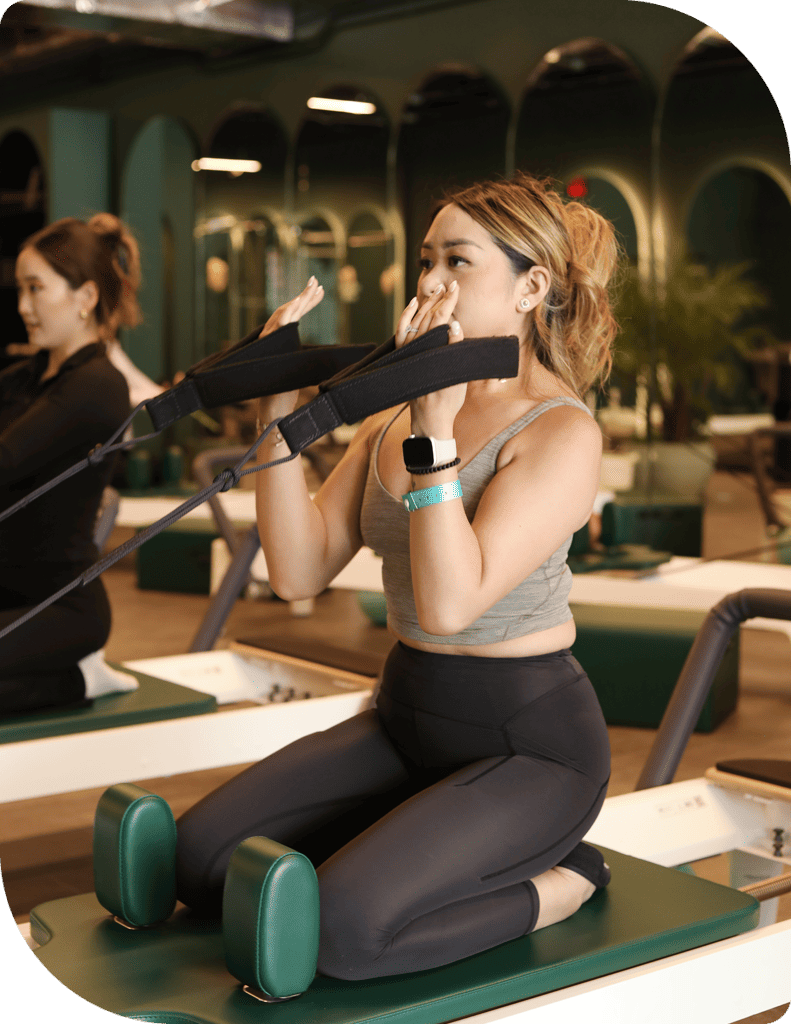
Learn how to properly activate your deep core muscles with expert Pilates techniques. This guide explores key methods for core engagement, including activating the transverse abdominis, pelvic floor, and deep abs, essential for strength, posture, and injury prevention.
Understanding the Deep Core: What It Is and Why It Matters
When it comes to building a strong, balanced body, deep core activation is fundamental. In Pilates, we often hear about “core strength,” but many people don’t fully understand what that truly means. Your deep core muscles are more than just your visible abs—they include a complex group of stabilizing muscles that support your spine, pelvis, and breathing. Activating these deep muscles correctly is essential for effective Reformer Pilates practice and for daily movement in general.
What Are the Deep Core Muscles?
The deep core muscles include the transverse abdominis (TVA), pelvic floor, multifidus, and diaphragm. These muscles work together to provide stability from the inside out, acting like a natural corset around your midsection.
- Transverse Abdominis (TVA): The deepest abdominal muscle, wrapping horizontally around the torso like a belt.
- Pelvic Floor: A group of muscles at the base of the pelvis that help support internal organs and control continence.
- Multifidus: Deep spinal muscles that support and stabilize the vertebrae.
- Diaphragm: The primary muscle used in breathing, closely tied to core stability through intra-abdominal pressure.
When these muscles are properly engaged, they create a stable base for movement, improve posture, enhance athletic performance, and protect the spine from injury. This is why mastering inner core Pilates techniques is a game-changer for anyone serious about wellness.
Why Deep Core Activation Is Key in Pilates
Pilates is designed around controlled, mindful movements that originate from the core. Whether you’re in a beginner Pilates class or flowing through advanced sequences, activating your deep core muscles is critical. Without this engagement, movements may rely on superficial muscles, leading to imbalances and potential injuries.
At Backstage Pilates in Miami, we emphasize precise core engagement throughout every exercise. Our instructors are trained to help clients identify and strengthen their deep abdominal muscles through breathwork, alignment, and mindful repetition.
How to Activate Your Deep Core Correctly
Activating your deep core isn’t about “sucking in” your stomach or bracing forcefully. It’s a subtle, controlled engagement that begins with awareness and breath. Let’s break down how to correctly activate your core muscles, especially the transverse abdominis and pelvic floor, and how they work together in Pilates core recruitment.
Step 1: Connect to Your Breath
The diaphragm plays a key role in deep core activation. Start by practicing diaphragmatic breathing:
- Lie on your back with your knees bent and feet flat on the floor.
- Place one hand on your chest and the other on your belly.
- Inhale through your nose, allowing your belly to rise while keeping your chest still.
- Exhale slowly through your mouth, feeling your belly gently fall.
This type of breathing helps activate the diaphragm and creates intra-abdominal pressure, which in turn wakes up the transverse abdominis and pelvic floor.
Step 2: Activate the Transverse Abdominis (TVA)
To activate the transverse abdominis:
- From the same lying position, take a breath in and as you exhale, gently draw your navel toward your spine without tilting your pelvis or lifting your ribs.
- Think of zipping up a tight pair of jeans or narrowing your waistline—not sucking in, but engaging gently.
- Hold this engagement for a few seconds while breathing normally, then release.
This deep abdominal engagement is crucial for Pilates core engagement and should be present in every movement you perform.
Step 3: Engage the Pelvic Floor
The pelvic floor muscles work in harmony with the TVA. To activate them:
- Imagine stopping the flow of urine or lifting the space between your sit bones.
- This is not a full-body contraction; the feeling should be internal and subtle.
- Try to isolate the pelvic floor without overusing the glutes or inner thighs.
Pelvic floor activation enhances spinal stability and supports your core from the bottom up. In Pilates, we often cue this engagement through imagery and breath to help you feel the connection.
Step 4: Coordinate Breath and Movement
Once you’ve mastered breath and muscle activation, the next step is to integrate them into movement. For example, in a basic Pilates move like the Pelvic Curl or Toe Taps, initiate by engaging the deep core on the exhale, then move with control.
This coordination promotes proper Pilates class preparation, reduces strain on the lower back, and ensures that superficial muscles don’t take over.
Common Mistakes in Core Activation (And How to Avoid Them)
Even seasoned practitioners can fall into habits that weaken their core connection Pilates practice. Let’s explore some common mistakes and how to correct them.
1. Bracing Too Hard
Many people mistake core activation for tensing or “hardening” the abdominals. This can lead to shallow breathing and overuse of superficial muscles like the rectus abdominis.
Fix: Focus on gentle, sustained engagement. You should be able to breathe and move while keeping your core active.
2. Forgetting the Pelvic Floor
The pelvic floor is often overlooked, especially in male clients or those unfamiliar with Pilates. Without its support, you lose a key component of inner core strength.
Fix: Include pelvic floor cues in every session. Think “lift and support” from the base of your core.
3. Moving Without Engaging
In group classes or fast-paced workouts, it’s easy to rush into movement without activating the core first. This can compromise form and increase injury risk.
Fix: Slow down. Instructors at Backstage Pilates prioritize quality over quantity. Whether you’re in a Pilates Power class or a Pilates Stretch session, we remind clients to “connect before you move.”
4. Overusing Hip Flexors and Glutes
When your deep core isn’t properly engaged, your body compensates with other muscles, often leading to tight hip flexors and overworked glutes.
Fix: Check in with your body. Are your hips gripping? Are your glutes clenching? Refocus on subtle core engagement and ease unnecessary tension.
Pilates Exercises for Deep Core Engagement
If you’re looking to strengthen your deep core muscles through Pilates, consistency is key. Incorporating targeted exercises into your routine can greatly improve posture, stability, and overall performance. Here are a few foundational Pilates movements that emphasize activating deep abs and inner core control.
1. Supine Toe Taps
This exercise targets the transverse abdominis and helps you practice controlled movement from a stable core.
- Lie on your back with knees in tabletop, arms by your sides.
- Inhale to prepare. As you exhale, engage your deep core and lower one toe to tap the mat.
- Inhale to return to start, then repeat on the other side.
Focus on maintaining a neutral spine and not letting your ribs pop up or your lower back arch.
2. Pelvic Curl
This classic Pilates move strengthens the glutes and hamstrings while promoting spinal articulation and core control.
- Lie on your back with knees bent and feet flat, arms at your sides.
- Inhale to prepare. On the exhale, engage your pelvic floor and TVA, then slowly lift your pelvis off the mat, one vertebra at a time.
- Inhale at the top, then exhale as you roll down with control.
3. Dead Bug
Great for core stability and coordination, Dead Bug challenges your ability to move limbs while keeping the core engaged.
- Lie on your back with arms reaching toward the ceiling and legs in tabletop.
- Inhale to prepare. On the exhale, extend your right arm and left leg without arching your back.
- Return to start and repeat on the opposite side.
4. Modified Plank with TVA Activation
Planks are a powerful tool for core strength, but only if done with correct form and deep abdominal engagement.
- Start in a forearm plank on your knees.
- Engage your TVA and pelvic floor, keeping your spine neutral.
- Breathe deeply, maintaining activation without letting your hips sag or rise too high.
Over time, you can progress to full planks and dynamic variations, always focusing on deep core activation.
5. Standing TVA Engagement
Core activation isn’t just for mat work. Practice engaging your core while standing or walking to reinforce good posture throughout the day.
Stand tall, inhale, and as you exhale, gently draw your belly button toward your spine while lifting your pelvic floor. Hold for a few seconds, breathe, and release. This reinforces functional core strength that supports your daily movement—something we value deeply in our corporate wellness programs.
Whether you’re working out at the studio or enjoying an active lifestyle in sunny Miami, these exercises help you build a resilient, connected core from the inside out.
Stay tuned for the continuation of this comprehensive guide, where we’ll dive deeper into advanced techniques, how to use Pilates equipment for core training, and tips for integrating deep core activation into your daily routine.

Using Pilates Equipment to Enhance Deep Core Activation
While mat work is excellent for developing foundational core strength, Pilates equipment offers an added layer of resistance and support that can deepen your core connection Pilates practice. At Backstage Pilates, we incorporate specialized apparatuses like the Reformer, Cadillac, and Chair to help clients activate and strengthen their deep abdominal muscles more effectively.
The Pilates Reformer and Core Engagement
The Reformer is a versatile piece of equipment that allows for resistance-based training using springs, pulleys, and a moving carriage. This resistance challenges your stability, requiring constant activating of the transverse abdominis and pelvic floor to maintain control during exercises.
Whether you’re practicing leg presses, footwork, or coordination sequences, the Reformer emphasizes deep abdominal engagement by adding instability and feedback, helping you identify when your core disengages. This makes it one of the most effective tools for developing deep core muscles through Pilates.
Example: Reformer Footwork
- Lie on your back on the Reformer carriage with your feet on the footbar.
- Inhale to prepare. On the exhale, engage your inner core and press the carriage away without locking your knees.
- Inhale to return with control, keeping the engagement throughout.
This seemingly simple move becomes a full-body integration challenge when focus is placed on activating deep abs and maintaining pelvic alignment.
Using the Pilates Chair for Stability Training
The Pilates Chair is a smaller apparatus that requires significant core control, especially when performing standing or balance-based exercises. Its compact platform and spring-loaded pedal make it ideal for training deep stabilizing muscles.
Exercises like “Standing Leg Press” or “Mountain Climber” on the Chair demand pelvic floor activation and TVA recruitment to avoid tipping or losing balance.
Incorporating the Cadillac and Tower
The Cadillac and Tower units support a wide range of motion and movement patterns, allowing for gentle or advanced variations that emphasize inner core control. Movements like “Leg Springs” or “Rollbacks” use spring resistance to help clients feel the connection between breath, control, and Pilates core recruitment.
Example: Leg Springs on the Tower
- Lie on the mat with your feet in the leg springs, arms anchored down.
- Inhale to stabilize. On the exhale, press the legs down while keeping your spine neutral and core engaged.
- Inhale to return with control, resisting the spring’s pull.
This move highlights how even the legs can cue the core, reinforcing the concept that everything in Pilates begins from the center—and that center must be strong, stable, and deeply connected.
Integrating Deep Core Activation into Everyday Life
One of the most empowering aspects of understanding deep core activation is the ability to carry it beyond the studio. Whether you’re walking along Miami Beach, sitting at your desk, or lifting groceries, your core should be working to support your spine and posture.
Postural Awareness
Many people in South Florida lead active lives, whether surfing, biking, or attending vibrant social events. But poor posture—especially from sitting or slouching—can undo the benefits of exercise.
Practice standing or sitting tall, with your ears aligned over your shoulders, and gently engaging your TVA and pelvic floor. This posture not only improves your appearance but also protects your lower back and boosts energy.
Functional Core Engagement
Everyday tasks like lifting a child, reaching for something in the car, or even coughing can engage the core. The key is to bring mindfulness to these actions:
- Before you lift, exhale and gently activate your deep core.
- When walking or running, imagine your core as a cylinder, supporting you from all sides.
- Use diaphragmatic breathing during stressful moments to stay grounded and centered.
Tips for Staying Consistent
Consistency is vital for strengthening your deep core. Here are simple ways to stay on track in your Pilates journey:
- Join a regular group Pilates class to build routine and community support.
- Explore private Pilates sessions for personalized feedback on your core engagement.
- Incorporate 5-minute core check-ins at home using breath and body scans.
- Track your progress with journaling or photos to visualize improvements in posture and control.
Tailoring Deep Core Work for Different Populations
At Backstage Pilates, we believe that inner core Pilates techniques can and should be adapted for everyone. Whether you’re expecting, recovering from injury, or looking to enhance your athletic performance, deep core work can be tailored to meet your unique needs.
Prenatal and Postnatal Pilates
Pregnancy and postpartum periods place special demands on the core. During this time, the body undergoes significant changes that affect pelvic stability and abdominal integrity (including diastasis recti).
Our prenatal and postnatal classes are designed to safely strengthen the deep core, focusing on gentle TVA and pelvic floor engagement through guided breathing and supportive movement. This helps moms-to-be maintain strength and posture while preparing for labor and recovery.
Older Adults and Core Stability
As we age, maintaining spinal health and balance becomes increasingly important. Deep core activation supports functional movement, reduces fall risk, and alleviates back pain. Our instructors use modified exercises to help older clients safely build and maintain core strength in a low-impact, supportive environment.
Corporate Wellness and Desk Workers
Miami professionals often spend long hours sitting, which can weaken the deep core and contribute to chronic discomfort. Through our corporate wellness programs, we offer on-site and in-studio sessions that teach employees how to activate their inner core during the workday—for better posture, reduced stress, and improved productivity.
Advanced Pilates Techniques for Deep Core Development
Once you’ve mastered the basics of core activation, you can begin exploring more advanced techniques that challenge your control, coordination, and strength. These exercises require a solid foundation in Pilates core engagement and should be performed under the guidance of a trained instructor.
Teaser
The Teaser is a signature Pilates move that demands full-body coordination and strong core control.
- Begin lying flat with legs extended and arms overhead.
- Inhale to prepare. On the exhale, engage your deep core muscles and begin to roll up, lifting your arms and legs simultaneously into a V position.
- Hold for a breath, then roll down with control.
Without proper deep abdominal engagement, this move becomes a strain on the hip flexors or lower back. Focus on initiating the movement from the center and using breath to support the lift.
Jackknife
This advanced move strengthens the abdominals and challenges spinal articulation.
- Lie on your back with legs extended upward.
- Exhale to press your arms into the mat and lift your hips off the floor, reaching toes toward the ceiling.
- Inhale at the top, then exhale to roll down slowly, engaging the core the entire time.
Plank to Pike on the Reformer
This dynamic move challenges balance, strength, and coordination.
- Start in a plank position on the Reformer with feet on the carriage and hands on the footbar.
- Exhale to engage the core and draw the carriage forward by piking the hips up.
- Inhale to return to plank with control.
This move is a staple in our Pilates Cardio Jumpboard and Pilates Power classes, combining strength and stability with cardiovascular intensity.
Building a Stronger You Through Core Awareness
Activating your deep core muscles is about more than just improving your Pilates form—it’s about transforming how you move, feel, and function every day. At Backstage Pilates, we believe that a strong core is the foundation of a strong life.
Whether you’re a beginner taking your first Pilates Classic Beginner class or a seasoned athlete looking to refine your technique, our team of expert instructors in Miami is here to guide you. We offer a variety of classes, from intermediate programs to private sessions and specialty formats, all focused on creating intelligent, functional movement through core connection Pilates.
Ready to Deepen Your Core Practice?
If you’re ready to explore the power of deep core activation and experience the lasting benefits of intelligent movement, we invite you to:
- Check our class schedule and find the best time for your next session.
- Explore private Pilates sessions for a personalized approach to core strength.
- Visit our Hallandale Beach studio and experience the Backstage Pilates difference.
With expert instruction, a welcoming community, and a commitment to wellness, Backstage Pilates is your destination for mastering activating deep abs and unlocking your body’s full potential—right here in beautiful Miami.