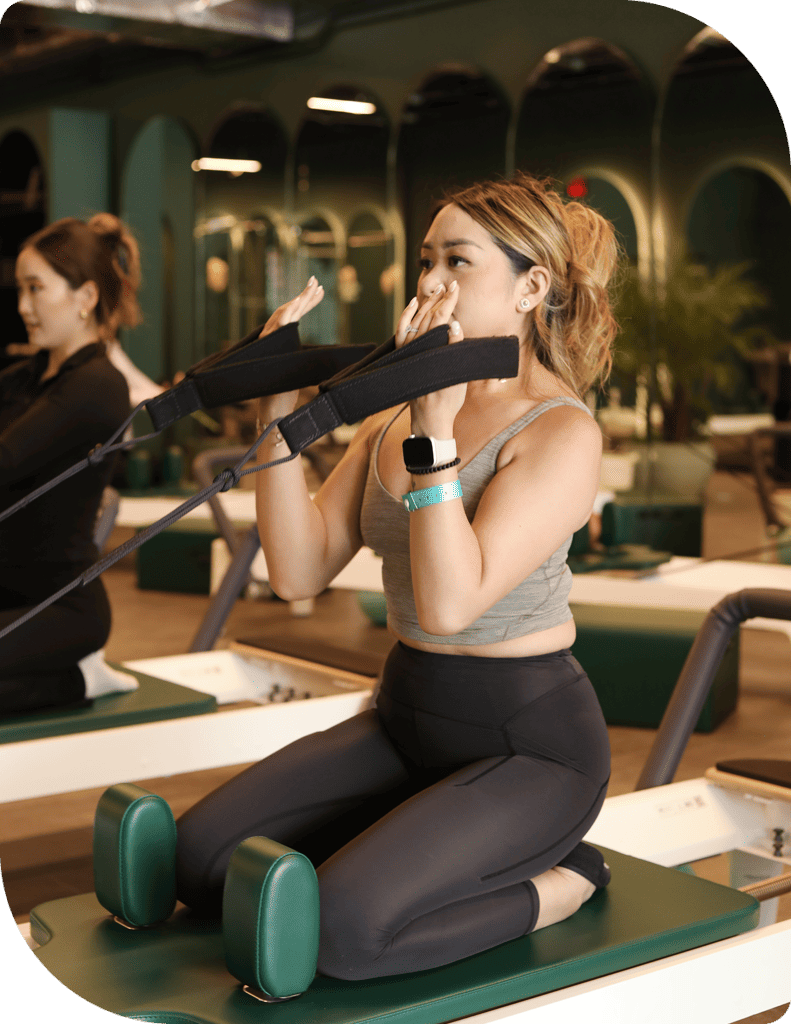
Mastering the proper Pilates breathing technique is key to maximizing your results, improving core activation, and achieving better body awareness. This guide breaks down everything you need to know about breath coordination in Pilates, from lateral breathing to timing your inhale and exhale during movement.
Why Breathing Matters in Pilates
Connecting Body and Mind
Breathing is more than just a natural function—it’s the foundation of mindful movement in Pilates. The correct Pilates breathing technique helps you stay focused, grounded, and present. Whether you’re practicing Pilates as a beginner or you’re deep into advanced routines, breath control enhances your mental clarity and body awareness.
Enhancing Core Engagement
Proper breath in Pilates activates your deep core muscles, especially the transverse abdominis. Each exhale helps tighten and stabilize your core, allowing for safer and more effective movement. This is fundamental to Pilates, where the core (or “powerhouse”) is the center of all movement.
Improving Movement Efficiency
Breathing during Pilates isn’t random—it’s timed with every motion. Coordinating breath with movement ensures you’re not holding tension in the wrong places. With correct Pilates breathing, your body flows more naturally and efficiently through each exercise.
Understanding the Pilates Breath Pattern
What is Lateral Breathing in Pilates?
Lateral breathing in Pilates is a technique where you breathe into the sides and back of your ribcage, rather than into your belly or shoulders. This method allows you to maintain core engagement while still taking full, deep breaths.
How to Practice Lateral Breathing:
- Place your hands on the sides of your ribcage.
- Inhale deeply through your nose, feeling your ribs expand outward and to the sides.
- Exhale through your mouth, letting your ribs draw back together while maintaining abdominal engagement.
This technique allows for efficient oxygen intake without compromising the tight abdominal support needed for Pilates movements. It’s especially important when doing exercises like the Hundred or Roll-Up, where core control is essential.
Inhale and Exhale: The Right Timing
Understanding when to inhale and exhale in Pilates is part of mastering the Pilates breath pattern. Generally, you inhale to prepare and exhale during the exertion phase of an exercise.
Examples of Exhale-Inhale Pilates Patterns:
- The Hundred: Inhale for 5 beats, exhale for 5 beats while pumping the arms.
- Roll-Up: Inhale to prepare lying down, exhale as you roll up and reach forward.
- Leg Circles: Inhale to begin the circle, exhale as you complete it.
At Backstage Pilates in Miami, our instructors provide expert breathing cues in every class, helping you build the right habits from day one.
Benefits of Proper Breath in Pilates
- Better Core Activation: Breath directly supports core muscle engagement.
- Reduced Stress: Deep, rhythmic breathing promotes relaxation and lowers stress levels.
- Improved Circulation: Efficient breathing boosts oxygen flow to your muscles.
- Enhanced Flexibility: Exhaling can help you deepen stretches and release tension.
Mastering proper breath in Pilates means more than just going through the motions—it transforms your entire practice.
Breathing Cues in Pilates Exercises
Breath Coordination in Pilates: Practical Breakdown
Each Pilates move has a breath rhythm to support it. Here’s how breath coordination in Pilates works in some of the most common exercises:
1. The Hundred
This dynamic warm-up exercise relies heavily on breath pattern consistency.
- Inhale: 5 short breaths in through the nose
- Exhale: 5 short breaths out through the mouth
Repeat this cycle 10 times while maintaining abdominal engagement and arm pumps. This rhythmic breath also increases circulation and prepares the body for deeper work.
2. Roll-Up
Roll-Ups help build abdominal strength and spinal mobility.
- Inhale: As you lie flat and prepare to move
- Exhale: As you roll up and reach toward your toes
Controlled breathing supports spinal articulation and prevents momentum from taking over.
3. Spine Stretch Forward
This movement elongates the spine and deepens abdominal control.
- Inhale: Sit tall and lengthen the spine
- Exhale: Round forward over your legs, drawing the belly in
4. Single-Leg Stretch
This core-focused move requires steady breath to maintain control.
- Inhale: Switch legs
- Exhale: Pull one knee to the chest, engaging the core
Using Breathing Cues in Class
At Backstage Pilates classes, instructors offer clear breathing cues in every session. These cues help you stay aligned with the rhythm of the movement. For example, in our Pilates Stretch classes, you’re guided to use exhalations to deepen your flexibility safely.
How Breath Influences Posture and Form
Good posture starts with good breath. When you breathe laterally and engage your core, your spine stays more naturally aligned. This helps prevent slouching or overarching, even during challenging poses.
Breath also supports spinal decompression. Especially in classes like Reformer Pilates, correct breathing enhances the elongation of the spine, promoting better posture and ease of movement.
Tips for Practicing Correct Pilates Breathing
Start With Awareness
Before you even begin a movement, pause and notice your breath. Are you breathing into your chest? Your belly? Your ribs? Try placing your hands on your ribcage and feeling it expand outward with each inhale.
Practice Outside of Class
Just like any muscle, your breath control improves with training. Practice lateral breathing while sitting at your desk, walking on the beach, or relaxing at home. Over time, it will feel more natural even during complex Pilates sequences.
Use the “Shhh” Sound
Making a soft “shhh” sound as you exhale helps you control the pace of your breath and stay engaged in your core. This technique is particularly useful in exertion phases, like lifting legs or rolling up.
Stay Consistent Across Movements
Consistency is key. Whether you’re in a Pilates Classic Intermediate class or exploring Pilates Power, use the same breath coordination principles. This helps build muscle memory and supports your long-term progress.
Work With an Instructor
Sometimes it’s hard to know if you’re breathing correctly on your own. That’s why working with a trained instructor in private Pilates sessions can make a big difference. At our Miami studio, our team provides personalized guidance to refine your breathing technique and align it with your goals.
Listen to Your Body
Don’t force your breath. If you’re feeling dizzy, short of breath, or tense, it’s a sign to slow down. Breathing should support your movement—not interfere with it. Always prioritize ease and flow.

Advanced Breathing Integration in Pilates
Progressing Beyond the Basics
Once you’ve developed a solid understanding of basic breath coordination, it’s time to deepen your practice by integrating more advanced breathing strategies. These techniques not only improve performance in Pilates but also support your overall physical wellness—especially important in a vibrant, active city like Miami.
As you progress through different class levels, such as our Pilates Classic Intermediate and Pilates Power classes, increasing breath awareness becomes essential. Each class focuses on breath-driven movement to challenge your body intelligently and safely.
Breath and Muscle Isolation
Advanced Pilates exercises often require isolating specific muscle groups while maintaining core engagement. Breath becomes your guide here.
- Inhale: To expand and prepare the body for movement, especially when opening the chest or extending limbs.
- Exhale: To engage the deep abdominal muscles and stabilize the body during challenging transitions.
This type of breath coordination in Pilates helps you isolate muscles like the glutes or obliques without compensating with the neck or lower back.
Controlling Tempo with Breathing
A common mistake in Pilates is rushing through movements. Breath helps you slow down and control the pace.
For example, during a teaser or a double leg stretch, syncing your breath with the phases of movement naturally slows you down, encouraging precision and reducing risk of strain or injury.
Try This:
- Exhale slowly for a count of six as you extend your legs and arms out in double leg stretch.
- Inhale deeply as you bring everything back in with control.
This not only strengthens the core but also enhances lung capacity and mental focus.
Lateral Breathing in Challenging Positions
Maintaining lateral breathing while upside-down or in advanced positions like shoulder stands or inversions is a true test of control.
Using the lateral breathing Pilates technique in these positions keeps your core engaged and prevents you from collapsing into your joints. This becomes especially important in equipment-based classes like Reformer Pilates, where spring resistance adds complexity.
Pilates Breathing for Special Populations
Breathing During Prenatal and Postnatal Pilates
Breathwork plays a vital role in prenatal and postnatal Pilates, helping expecting and new mothers stay connected to their changing bodies. Our Prenatal and Postnatal Pilates classes at Backstage Pilates emphasize gentle breath coordination to support pelvic floor health, reduce stress, and improve circulation.
Key Breathing Tips for Prenatal Clients:
- Focus on exhaling during exertion to avoid pressure on the abdomen.
- Use lateral breathing to keep the belly soft and unrestricted.
- Avoid breath-holding, which can impact oxygen flow to the baby.
Breathing for Older Adults or Rehab Clients
For clients recovering from injury or managing age-related mobility issues, the correct Pilates breathing technique offers a safe way to reintroduce movement. Breath provides stability and helps prevent overuse or compensation from weaker muscles.
Our instructors in private training sessions tailor breathing cues to each client’s needs—whether it’s slowing the breath to reduce anxiety or encouraging deeper inhales to improve posture.
Breath Cues in Corporate Pilates Wellness
In high-stress environments, like corporate offices, breathwork becomes a valuable tool for stress relief and mental clarity. Our Corporate Pilates programs incorporate breathing techniques that employees can carry into their workday.
A few minutes of guided lateral breathing at the start of a session can reset focus, reduce muscle tension, and improve concentration—benefits that extend far beyond the mat.
Common Mistakes in Pilates Breathing Technique
1. Breath-Holding
A common error—especially during challenging exercises—is to hold your breath. This interrupts the flow of oxygen, increases tension, and reduces core engagement. Always aim for continuous breath, even during the most intense moments.
2. Shallow Chest Breathing
Breathing only into the upper chest limits oxygen intake and encourages tension in the neck and shoulders. Practice lateral breathing Pilates to correct this and ensure full expansion of the ribcage.
3. Belly Breathing During Core Work
While belly breathing is excellent for relaxation, it’s not ideal for Pilates movements. Expanding the belly disengages the core. Instead, breathe into the sides and back of your ribs to maintain abdominal support.
4. Mismatched Breath and Movement
Not syncing your breath with movement can throw off your rhythm and reduce the effectiveness of the exercise. Remember the basic rule: inhale to prepare, exhale to move.
5. Ignoring Breathing Cues
In a class setting, it’s easy to focus only on form and forget breath. But ignoring breathing cues in Pilates can limit your progress. At Backstage Pilates, our expert instructors make breathwork a priority in every session—whether you’re in a Pilates Classic Beginner class or a more dynamic cardio-based session.
Building Breath Awareness in Every Class
Using the Pilates Breath as a Mindful Anchor
Beyond physical performance, your breath is a tool for mindfulness. It anchors you in the present moment, helping you tune into your body and let go of distractions. This is especially beneficial in the busy, fast-paced lifestyle of Miami.
Whether you’re joining us for a Pilates Cardio Jumpboard class to boost your heart rate or winding down with a Pilates Stretch session, conscious breathing enhances the entire experience.
Breath as a Diagnostic Tool
Your breath can also inform your instructor of your physical state. Shallow, erratic breathing might indicate you’re overworking, while smooth, controlled breath shows balance and efficiency.
In private sessions, instructors use breath observation to adjust your form and suggest modifications. This approach ensures each movement is both safe and effective, especially for those new to the method or managing physical limitations.
Creating a Breath-Focused Practice at Home
You don’t have to be in the studio to practice Pilates respiratory technique. Try incorporating breath-focused exercises at home:
- Spend 5 minutes each morning practicing lateral breathing.
- Pair breath with simple movements like pelvic tilts or leg lifts.
- Use breath to decompress after a long day—an especially helpful routine during humid Miami evenings.
For more at-home tips, explore our Beginner’s Guide and other resources that help you stay connected to your practice outside the studio.
Conclusion: Elevate Your Pilates Practice Through Breath
Mastering the Pilates breathing technique isn’t just about better workouts—it’s about transforming the way you move, feel, and live. Whether you’re flowing through a reformer session, holding a teaser, or simply walking along the beach in Miami, your breath is a source of strength, stability, and mindfulness.
By focusing on proper breath in Pilates, you improve core engagement, reduce stress, and increase control over every movement. From breath coordination in Pilates to lateral ribcage expansion, these techniques elevate your physical capabilities and deepen your mind-body connection.
If you’re ready to strengthen your breath and body, we invite you to:
- Check our class schedule and find the session that fits your lifestyle.
- Explore private Pilates sessions for personalized breathing instruction.
- Discover corporate wellness programs that integrate breath and movement for your team.
At Backstage Pilates, we combine expert instruction with a welcoming community to help you breathe better, move smarter, and live stronger—on the mat and beyond. Book your session today and experience the power of Pilates breath in every move.