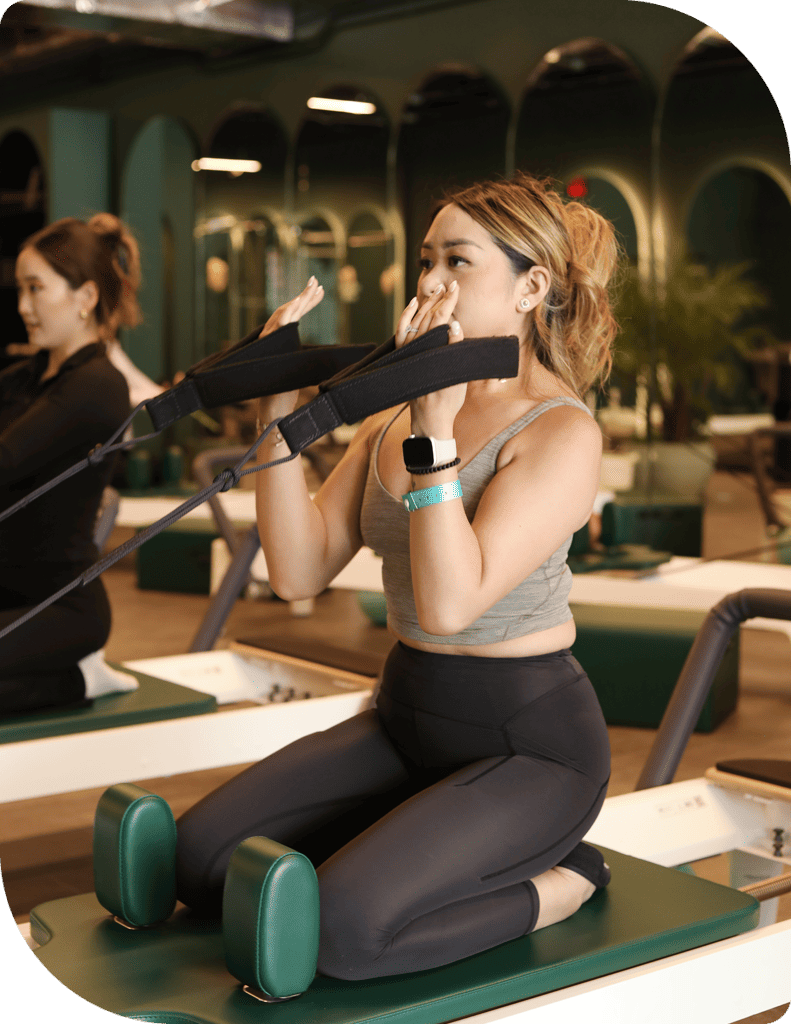
Curious about whether Pilates or yoga is better for your body and goals? This in-depth guide explores the key differences, benefits, and how to choose the right practice for your needs—whether it’s weight loss, flexibility, core strength, or stress relief.
Pilates vs Yoga: Understanding the Core Differences
When it comes to mind-body exercise, Pilates and yoga are two of the most popular options available today. Both practices offer incredible health benefits, promote mental clarity, and help build a stronger, more flexible body. But if you’re wondering about the difference between Pilates and yoga, or trying to decide which one is better for your fitness goals, you’re not alone. At Backstage Pilates in Miami, we often hear this question from clients looking to enhance their wellness journey.
Though Pilates and yoga share several similarities, they’re fundamentally different in origin, technique, and goals. Understanding these distinctions can help you choose the best option for your unique body, lifestyle, and fitness aspirations.
Origins and Philosophy
Yoga: An Ancient Mind-Body Practice
Yoga originated in India over 5,000 years ago as a spiritual and philosophical discipline. Rooted in ancient texts, yoga combines physical postures (asanas), breathwork (pranayama), and meditation to achieve inner peace and balance. Today, many modern forms of yoga still emphasize mindfulness, breath control, and connecting movement with spiritual well-being.
Pilates: A Modern Fitness System
Pilates, on the other hand, was developed by Joseph Pilates in the early 20th century. Originally designed to help rehabilitate injured soldiers and dancers, it focuses on controlled, precise movements that engage the core and improve muscular balance. While Pilates incorporates breath and concentration, it is often more fitness- and alignment-focused than yoga.
Movement and Technique
Pilates Technique
Pilates emphasizes small, controlled, repetitive movements that target specific muscle groups—especially the core. It’s known for using specialized equipment like the Reformer, Cadillac, and Wunda Chair, although mat-based Pilates is also highly effective. The practice promotes muscular endurance, posture alignment, and injury prevention.
Yoga Technique
Yoga typically involves a series of flowing poses held for varying lengths of time, depending on the style (e.g., Vinyasa, Hatha, Yin). The focus is often on flexibility, balance, and mental stillness. While some yoga classes can be physically intense, others are more restorative or meditative.
Breathing and Mental Focus
Both practices incorporate breath, but they do so differently. In yoga, breath awareness is deeply integrated with movement and used as a meditative tool. In Pilates, breath is used to support movement and enhance muscular engagement. If you’re looking for a more meditative experience, yoga may be your pick. For focused physical conditioning, Pilates might be the better fit.
Pilates vs Yoga for Specific Goals
Your choice between Pilates and yoga should depend on what you’re hoping to achieve. Whether you’re targeting weight loss, core strength, flexibility, or stress relief, both can be effective—but in different ways.
Pilates vs Yoga for Weight Loss
If you’re wondering about yoga or Pilates for weight loss, the answer depends on the intensity of the class. Both practices can contribute to weight management, but Pilates generally burns more calories in a shorter session—especially when practiced on equipment like the Reformer.
According to fitness studies, a 50-minute advanced Pilates session can burn between 250-450 calories, while a yoga class (depending on the style) burns approximately 180-400 calories. So if calorie burn is your primary goal, Pilates may offer a slight edge.
Tip:
For best results, combine Pilates with cardio-based activities like walking, swimming, or cycling. You can also check our schedule to find dynamic group classes that suit your fitness level and goals.
Pilates vs Yoga for Core Strength
When it comes to building a strong, stable core, Pilates is well-known for its targeted approach. Practically every Pilates movement activates the deep abdominal muscles, back, and pelvic floor. If you’re seeking Pilates vs yoga for core strength, Pilates wins hands down.
While yoga also strengthens the core, especially in poses like plank and boat, the engagement isn’t as concentrated or consistent as in Pilates. For Miami residents focused on athletic performance or injury prevention, incorporating core-focused Pilates into your routine can be a game changer.
Pilates vs Yoga for Flexibility
Flexibility is a key component of both practices. However, yoga typically places more emphasis on stretching and lengthening the muscles. Styles like Yin or Hatha yoga involve long-held poses designed to open the hips, hamstrings, and shoulders, making yoga highly effective for increasing range of motion.
That said, Pilates also improves flexibility—but in a more dynamic way. It promotes muscle elongation through resistance-based movement, which can be especially beneficial for those with tight muscles or postural imbalances. So if you’re comparing Pilates or yoga for flexibility, yoga may offer deeper stretches, while Pilates provides functional flexibility through strength.
Pilates vs Yoga for Back Pain
Both practices are beneficial for easing chronic back pain, but they work differently. Pilates strengthens the core and improves spinal alignment, which can help reduce and even prevent back discomfort. Yoga supports back health by gently stretching tight muscles and promoting relaxation.
If you’re experiencing back pain and deciding between Pilates vs yoga for back pain, Pilates may be the safer bet—especially under the guidance of a certified instructor. At Backstage Pilates, our experienced team tailors private sessions to help clients address pain, mobility, and postural issues with personalized support.
Which Is Better: Pilates or Yoga?
There’s no one-size-fits-all answer to which is better: Pilates or yoga. It really depends on your individual needs, preferences, and goals. Let’s break it down by fitness objective to help you decide.
For Beginners
New to fitness and wondering about Pilates vs yoga for beginners? Both are beginner-friendly when taught by a certified professional. However, Pilates may require more initial guidance due to its technical nature and use of equipment. Yoga, especially gentle forms like Hatha or Restorative yoga, can be easier to start with and is widely accessible.
If you’re unsure where to begin, you can contact us to learn more about beginner-friendly Pilates classes in Miami that provide hands-on support and modifications for all levels.
For Toning and Lean Muscle
If your goal is to sculpt and tone your body, consider Pilates vs yoga for toning. Pilates excels in building lean muscle and improving muscle definition, especially in the core, glutes, and legs. It uses resistance and repetition to create long, strong, toned muscles without bulk.
Yoga also tones, particularly in strength-focused styles like Power yoga or Ashtanga. However, if you want a targeted, full-body toning workout, Pilates may be more efficient and structured for that purpose.
For Posture and Alignment
Bad posture is a common problem—especially for those who sit most of the day. Pilates was originally developed to improve posture and alignment, making it especially effective for correcting muscular imbalances and spinal issues. If you’re comparing Pilates vs yoga for posture, Pilates offers precise techniques and alignment-focused movements that directly address postural concerns.
Yoga also supports posture by increasing body awareness and flexibility, but tends to focus less on alignment correction compared to Pilates.
For Stress Relief and Mental Clarity
When it comes to Pilates or yoga for stress, both are powerful tools. Yoga tends to be more meditative and spiritually grounding, which can help reduce anxiety and promote inner peace. Practices like Yin or Restorative yoga are especially calming.
Pilates, while less meditative, encourages deep breathing, concentration, and body awareness—creating a mindful workout that can also relieve stress. Miami’s fast-paced lifestyle makes both practices valuable for finding balance and calm.
Want to explore a studio that supports both mind and body wellness? Visit our wellness blog for tips, insights, and expert advice on staying healthy in South Florida.
Can You Do Pilates and Yoga Together?
Absolutely! Many people find that combining both practices offers the best of both worlds. A Pilates yoga combination can help you build strength, improve flexibility, and support mental well-being. Alternating between Pilates and yoga sessions throughout the week can result in a well-rounded fitness routine that supports all areas of your health.
Whether you choose Pilates or yoga first depends on your goals. If you’re focusing on strength and rehabilitation, start with Pilates. If your goal is relaxation and flexibility, begin with yoga. Over time, you may find that blending both practices enhances your overall fitness experience.
At Backstage Pilates, we encourage our clients to mix modalities based on their needs. You can book your first class or explore private Pilates sessions designed to complement your yoga practice.
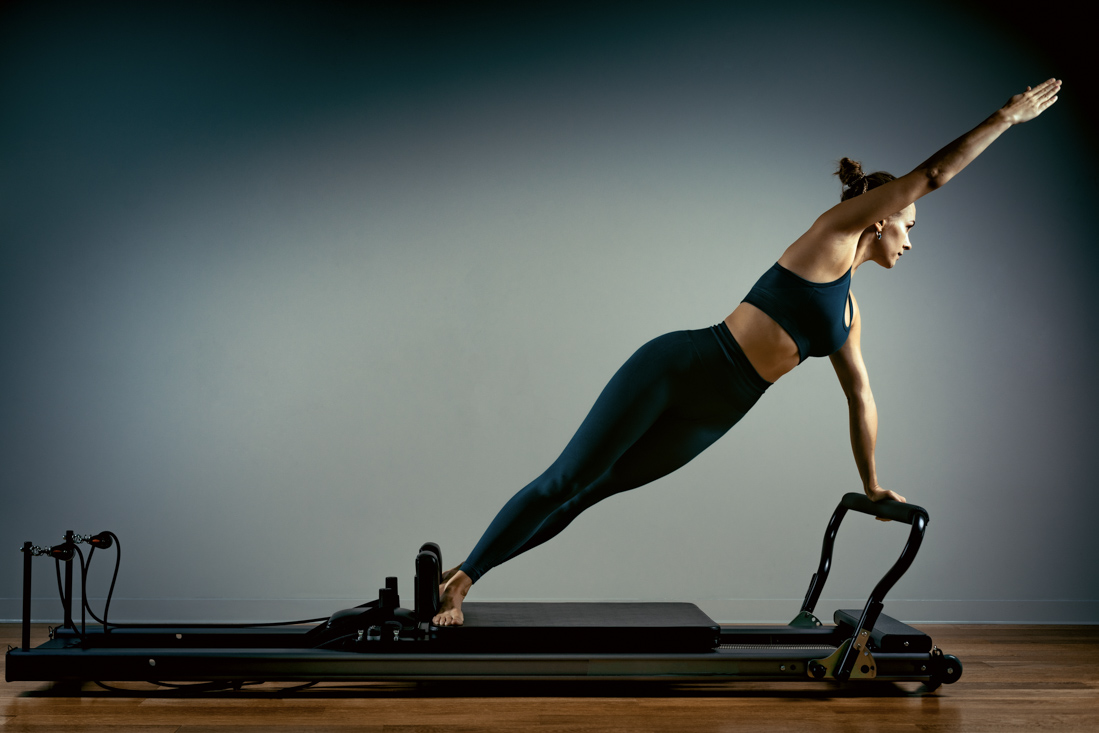
Comparing Results: Pilates vs Yoga Over Time
As you commit to a consistent movement practice, it’s natural to wonder about the long-term Pilates vs yoga results. Both disciplines offer transformative benefits, but the visible and functional outcomes can vary depending on your goals and routine.
Physical Transformation
Pilates often delivers quicker visible changes in body shape, especially in posture, muscle tone, and core strength. Many clients at Backstage Pilates report noticeable improvements in their waistline, back strength, and overall definition within just a few weeks of consistent practice.
Yoga, while equally transformative, tends to offer more gradual physical changes. With time, yoga enhances joint mobility, balance, and muscular flexibility. If your goal is long-term wellness and graceful aging, yoga is a powerful complement to any fitness regimen.
Tip for Best Results:
To maximize results, consistency is key. Aim for 2-3 Pilates sessions per week if your goal is strength and toning, and mix in 1-2 yoga classes for recovery, stretching, and mindfulness. You can check our schedule for a variety of class formats that suit your weekly routine.
Functional Improvements
Functionally, Pilates strengthens your deep stabilizing muscles, especially in the core, hips, and spine. This improves everyday movement, enhances athletic performance, and reduces injury risk. For anyone dealing with postural imbalances or recovering from injury, Pilates offers a highly effective, low-impact solution.
Yoga improves breathing, flexibility, and proprioception (your body’s sense of itself in space). Over time, yoga practitioners often report better sleep, reduced anxiety, and improved focus—making it an ideal practice for mental clarity as well as physical health.
Should I Do Pilates or Yoga First?
If you’re deciding should I do Pilates or yoga first in your wellness journey, think about your current fitness level and priorities. For those recovering from injury, managing chronic pain, or seeking core stabilization, Pilates is often the best place to start. The structured, instructor-led format makes it easier to progress safely and effectively.
If your focus is stress relief, gentle movement, or reconnecting with your body, yoga might be the better entry point. Especially in Miami’s active and often intense lifestyle, yoga offers an accessible way to unwind and build body awareness.
Ultimately, there’s no wrong choice. Many of our clients alternate between both to support their evolving goals. You can explore our Pilates blog for more guidance on starting your movement journey in South Florida.
Pilates vs Yoga Calories Burned
Calorie burn is a common concern for those looking to manage weight or improve body composition. So, how do Pilates vs yoga calories burned compare?
Calories Burned in Pilates
Pilates, particularly equipment-based or advanced mat classes, can be surprisingly effective for calorie expenditure. A 50-minute intermediate session can burn between 250–450 calories, depending on your body weight, intensity, and format. Reformer Pilates tends to torch more calories due to resistance and continual muscle engagement.
Calories Burned in Yoga
Yoga’s calorie burn varies widely by style. A gentle Hatha or Restorative class may burn 120–180 calories per hour, while a vigorous Vinyasa or Power yoga session can reach 300–500 calories. Hot yoga classes (like Bikram) may increase sweat loss but don’t always equate to higher calorie burn.
If you’re focused on yoga or Pilates for weight loss, consider combining either with cardiovascular activities like swimming or dancing—two local favorites in Miami’s vibrant wellness scene.
Pilates vs Yoga for the Miami Lifestyle
Living in Miami means enjoying a year-round active lifestyle, beach days, and outdoor adventures. Pilates and yoga both support the energy and demands of this coastal city, but in different ways.
Adapting to South Florida’s Climate
Miami’s warm, humid climate means hydration and recovery are essential. Yoga—especially cooling practices like Yin or breathwork—can help regulate the nervous system and offset heat-related fatigue. Pilates, with its focus on core stability, is perfect for supporting activities like paddleboarding, running, and beach volleyball.
Studio vs Outdoor Practice
While yoga is often practiced outdoors on the beach or in parks, Pilates typically requires a studio setting to access specialized equipment. At Backstage Pilates, our air-conditioned Miami studio offers a refreshing retreat where you can build strength and decompress in a calm, supportive environment.
Whether you’re a weekend warrior, a busy professional, or recovering from injury, integrating Pilates into your routine can help align your body with your active lifestyle.
Combining Pilates and Yoga for Maximum Benefits
Still torn between Pilates versus yoga benefits? You don’t have to choose just one. In fact, combining both can elevate your wellness game to the next level. Together, they create a well-rounded program that supports strength, flexibility, mental clarity, and mobility.
Sample Weekly Routine
- Monday: Reformer Pilates (core strength + posture)
- Tuesday: Vinyasa Yoga (flexibility + flow)
- Wednesday: Rest or walk outdoors
- Thursday: Mat Pilates (toning + stabilization)
- Friday: Gentle Yoga or Yin Yoga (stress relief)
- Saturday: Outdoor fun—swim, paddleboard, or bike
- Sunday: Restorative Yoga or breathwork
By alternating your practice, you avoid overuse injuries and keep both body and mind engaged. This approach is especially beneficial for Miami residents who enjoy a diverse, energetic lifestyle.
How Backstage Pilates Supports Your Hybrid Practice
At Backstage Pilates, we understand that wellness isn’t one-size-fits-all. That’s why many of our clients pair our Pilates sessions with yoga classes elsewhere or incorporate yoga-inspired movement into their personal routines. Our instructors are happy to tailor private sessions around your hybrid fitness goals.
Ready to experience how Pilates can complement your yoga practice? Contact us to learn more about our personalized programs and how we support your whole-body wellness journey.
Expert Advice: How to Choose Your Practice
If you’re still unsure whether Pilates or yoga is the better fit, consider the following factors to help guide your decision:
1. Listen to Your Body
Are you dealing with an injury, chronic pain, or postural issues? Pilates offers a safe, effective path to recovery and prevention. Our Miami-based programs are designed with physical therapists and movement specialists in mind.
2. Consider Your Mindset
If you’re feeling overwhelmed, disconnected, or anxious, yoga may provide the mindfulness and grounding you need. Practices like breathwork and meditation can help bring balance to fast-paced urban living.
3. Define Your Goals
Whether you’re looking to lose weight, improve muscle tone, increase flexibility, or reduce stress, defining your goals can help determine the right practice—or combination—for you. Remember, your needs may change season by season, and that’s okay.
4. Try Both
Sometimes the best way to decide is to experience both. At Backstage Pilates, we offer a welcoming environment for beginners and seasoned movers alike. You can book your session and let our expert instructors help you explore what works best for your body.
Conclusion: Embrace What Moves You
When it comes to Pilates vs yoga, there’s no universal winner. Both practices offer unique and powerful benefits, and the best choice depends on your body, lifestyle, and goals. Whether you’re after strength, flexibility, mental clarity, or all of the above, Pilates and yoga are complementary tools in your wellness toolkit.
Living in Miami means having access to world-class wellness resources and a vibrant, health-conscious community. At Backstage Pilates, we’re proud to support locals and visitors alike with expert-led classes designed to help you move better, feel better, and live better.
Curious where to begin? Contact us today to speak with a movement specialist, or schedule your first class and experience the transformative power of Pilates for yourself. Let us help you align your fitness routine with your one-of-a-kind Miami lifestyle.