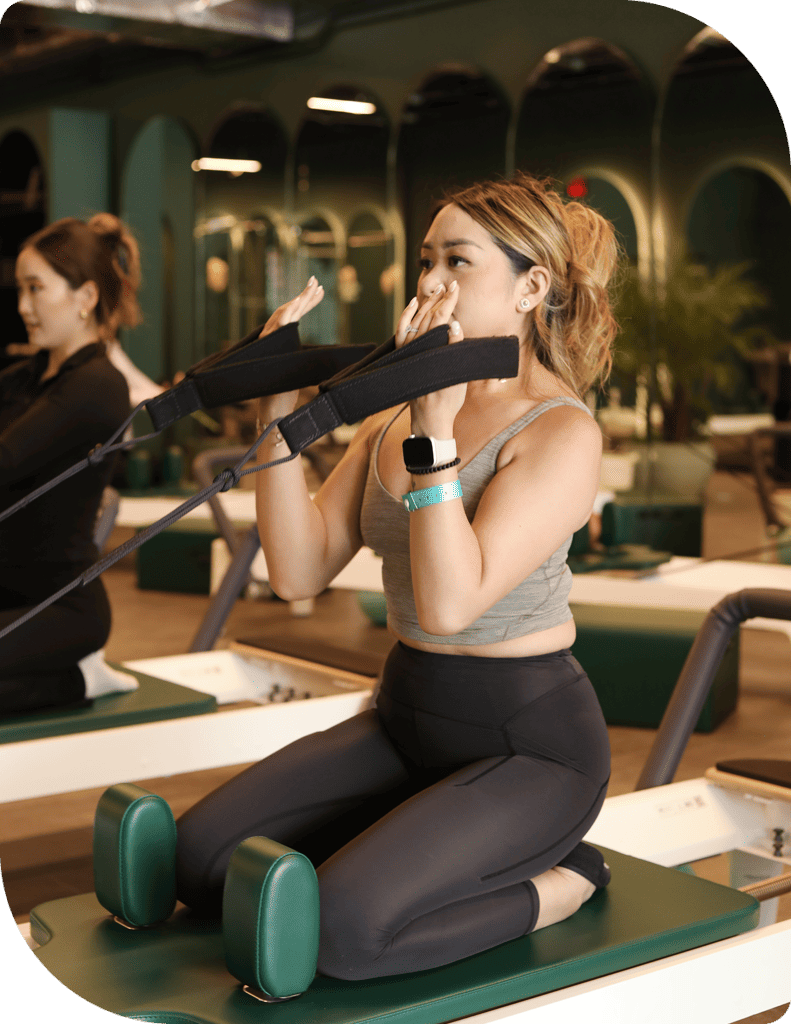
Pilates and yoga are both popular mind-body practices, but they offer different benefits depending on your fitness goals. In this comprehensive guide, we explore the key differences between Pilates and yoga, helping you decide which is best for your body, lifestyle, and wellness journey.
Pilates vs Yoga: Understanding the Core Differences
What Is Pilates?
Pilates is a low-impact exercise method developed by Joseph Pilates in the early 20th century. It focuses on strengthening the core, improving posture, enhancing flexibility, and promoting controlled, precise movements. Pilates is often used for injury rehabilitation and is popular among dancers, athletes, and fitness enthusiasts in Miami who want to build lean muscle and increase mobility.
There are two main forms of Pilates:
- Mat Pilates: Performed on a mat using your body weight for resistance.
- Reformer Pilates: Uses a specialized machine with springs and pulleys to increase resistance and support controlled movement.
What Is Yoga?
Yoga is an ancient practice with roots in India that combines physical postures (asanas), breath control (pranayama), and meditation. It promotes mental clarity, flexibility, balance, and spiritual awareness. While there are many types of yoga—such as Hatha, Vinyasa, and Yin—most styles emphasize the connection between breath and movement.
In Miami’s vibrant health-conscious community, yoga is often practiced outdoors or in boutique studios, attracting those seeking stress relief, mindfulness, or improved flexibility.
Pilates and Yoga Difference at a Glance
| Aspect | Pilates | Yoga |
|---|---|---|
| Origin | Early 20th century, Germany | Ancient, India |
| Focus | Core strength, posture, alignment | Flexibility, breathwork, mindfulness |
| Equipment | Mat, Reformer, props | Typically mat and basic props |
| Goal | Strength, control, rehab, toning | Balance, flexibility, stress relief |
Which Is Better: Pilates or Yoga for Your Goals?
Pilates vs Yoga for Core Strength
If your goal is to improve core strength and stability, Pilates is the better choice. Every exercise in a Pilates session engages the core muscles—especially the transverse abdominis, obliques, and pelvic floor. This focus on deep abdominal engagement helps improve posture, reduce back pain, and enhance athletic performance.
In contrast, yoga incorporates core work but not as intensively. Planks, boat pose, and certain balance postures activate the core, but it’s not the central focus.
For Miami residents who want a flat stomach or a stronger midsection, joining our group classes or exploring private Pilates sessions can help you build a powerful core.
Pilates vs Yoga for Flexibility
Yoga typically offers greater benefits when it comes to increasing flexibility. Many yoga poses are designed to stretch major muscle groups like the hamstrings, calves, hips, and shoulders. Regular yoga practice can significantly improve range of motion, which benefits posture and reduces the risk of injury.
That said, Pilates also improves flexibility—especially when practiced on the Reformer—by lengthening and strengthening muscles simultaneously. If you’re looking to balance mobility with strength, Pilates can still be a great option.
Yoga or Pilates for Weight Loss
Many people ask, “Yoga or Pilates for weight loss?” The answer depends on the intensity and frequency of your workouts. Pilates, particularly Reformer Pilates, can be more dynamic and resistance-based, which helps build lean muscle and boost metabolic rate.
Vinyasa or Power Yoga classes can also be calorie-burning and physically demanding. However, if you’re looking for consistent toning and fat burn, Pilates may have an edge due to its emphasis on full-body resistance training.
For a more effective weight loss journey, consider combining Pilates with a healthy Miami lifestyle—like outdoor cardio and mindful eating—and check our schedule for upcoming sessions.
Pilates vs Yoga Calories Burned
Calorie burn varies depending on the style of class and your effort level:
- Mat Pilates: ~170–250 calories per hour
- Reformer Pilates: ~250–450 calories per hour
- Hatha Yoga: ~150–250 calories per hour
- Vinyasa Yoga: ~400–600 calories per hour
In general, Pilates may burn fewer calories than high-intensity yoga styles, but it builds muscle, which helps you burn more calories at rest. For those in Miami’s fitness-forward circles, combining Pilates and yoga with cardio activities like running or swimming in South Florida’s beautiful outdoors can amplify results.
Pilates vs Yoga for Specific Health Benefits
Pilates vs Yoga for Back Pain
When it comes to chronic pain, especially back pain, Pilates is often recommended by physical therapists and chiropractors. Its core-strengthening focus helps stabilize the spine, promote better alignment, and relieve pressure on the lower back.
Yoga can also help, especially gentle styles like Hatha or restorative yoga, but some poses may aggravate existing pain if not done correctly. Pilates exercises are typically more controlled and can be modified easily, making them safer for those with injuries.
If you suffer from back pain in Miami and want a personalized approach, explore private Pilates sessions tailored to your needs.
Pilates or Yoga for Stress Relief
Both practices are excellent for relieving stress, but yoga may have a slight advantage due to its meditative components. Breathwork, mindfulness, and relaxation techniques are deeply embedded in yoga traditions, which can help calm the nervous system and reduce anxiety.
Pilates also promotes mental focus and body awareness, which can be very grounding. The rhythmic breathing and precise movement patterns offer a moving meditation that helps you stay present.
In the bustling energy of Miami, either practice can help you unwind and reset—making it less about “should I do Pilates or yoga” and more about which fits better into your weekly schedule.
Pilates vs Yoga for Posture
Poor posture is a common issue, especially among those who spend hours working at a desk or on a computer. Pilates is specifically designed to improve posture by targeting deep postural muscles and reinforcing spinal alignment.
Pilates teaches you to engage your core, lengthen your spine, and move with awareness—all of which correct slouching and imbalances. Yoga can support posture as well, especially through poses that open the chest and strengthen the back muscles.
For those working remotely or in corporate environments in South Florida, discover corporate wellness programs that bring posture-focused Pilates directly to your workplace.
Pilates vs Yoga for Beginners: Which One to Start With?
Pilates vs Yoga for Beginners
If you’re new to fitness or recovering from an injury, Pilates may be easier to start with. The structured, low-impact movements are easy to modify, and the focus on form helps prevent injury. Beginners often find Pilates more accessible because the exercises are repetitive and guided.
Yoga, especially dynamic styles like Vinyasa or Ashtanga, can be challenging for beginners who lack flexibility or balance. However, slower-paced yoga classes like Hatha or Yin are beginner-friendly and offer a gentle entry into movement and breath awareness.
If you’re unsure where to begin, consider taking one of our group classes to experience the difference between Pilates and yoga in a supportive, welcoming environment.
Pilates or Yoga First?
A common question is, “Pilates or yoga first?” If your goals are strength and mobility, starting with Pilates may give you the foundation you need. Once you’ve built core strength and body awareness, adding yoga can enhance flexibility and mental clarity.
Many Miami fitness enthusiasts alternate between Pilates and yoga throughout the week to enjoy the best of both worlds. Some even combine them into hybrid routines—bringing together strength, stretch, and serenity.
Pilates Yoga Combination: Is It Effective?
Absolutely. Practicing both Pilates and yoga can offer synergistic benefits. Pilates helps you build strength and control, while yoga enhances flexibility and reduces stress. Done together, they create a balanced, holistic fitness routine.
In Miami’s active wellness scene, this combination is becoming increasingly popular. Whether you’re jogging on the beach, paddleboarding at sunrise, or attending a Pilates class in the studio, complementing your routine with yoga can help you recover faster and move better.
Stay tuned as we continue to dive deeper into the benefits, results, and expert recommendations for Pilates vs yoga in the second half of this guide.

Pilates vs Yoga Results: What to Expect Over Time
Short-Term vs Long-Term Benefits
When comparing Pilates versus yoga benefits, it’s important to look at both short-term improvements and long-term transformations.
In the short term, you may notice:
- Improved posture and body awareness (especially with Pilates)
- Increased flexibility and reduced muscle tightness (especially with yoga)
- Enhanced mental clarity and reduced stress from both practices
Long-term benefits can be even more rewarding:
- Stronger core and better balance
- Reduced chronic pain, particularly in the lower back or joints
- Greater endurance, stability, and coordination
- Lean muscle tone and fat loss (especially when pairing Pilates with an active lifestyle)
- Improved emotional resilience and mindfulness
Whether you’re practicing on the Reformer in an air-conditioned Miami studio or doing yoga outdoors on the beach, consistency is key to seeing results. Most people notice significant changes in muscle tone, posture, and flexibility after 8–12 weeks of regular practice.
Tracking Your Progress
To stay motivated, track your progress through measurable markers like:
- How long you can hold a plank or balance posture
- Improved range of motion in forward bends or spinal twists
- Less tension in your neck, shoulders, or lower back
- Clothing fitting differently due to better muscle tone
- Enhanced energy levels and less fatigue throughout the day
At Backstage Pilates, we recommend keeping a wellness journal or using a fitness app to track milestones. You can also consult with one of our certified instructors during private Pilates sessions for personalized guidance and progress check-ins.
Choosing Between Pilates and Yoga Based on Your Lifestyle
Time Commitment and Scheduling
Your schedule is a big factor when choosing between Pilates and yoga. Pilates classes, especially Reformer-based, often require a studio setting with equipment, while yoga can be practiced almost anywhere with a mat.
For busy professionals in Miami, check our class schedule to find Pilates group classes that fit easily into your routine. Whether you’re squeezing in a morning session before heading to Brickell or prefer a calming evening workout in Coral Gables, there’s likely a class time for you.
Yoga classes may range from 30 minutes to 90 minutes, while Pilates classes are typically 45 to 60 minutes. If you’re looking for efficiency and targeted results, Pilates may provide more bang for your buck in less time.
Climate and Environment Factors
Miami’s year-round warm climate is perfect for outdoor yoga—think sunrise flows on the beach or sunset sessions in the park. However, the humidity and heat can also make intense yoga sessions more physically demanding.
Pilates, especially when practiced indoors with air conditioning and professional equipment, offers a climate-controlled alternative that’s equally effective without the sweat factor.
For those who prefer cooler, studio-based workouts with a strong focus on form and alignment, Pilates is an ideal fit within Miami’s active wellness culture.
Community and Motivation
Both Pilates and yoga communities offer supportive, social environments, but the vibe can vary. Yoga often attracts those seeking spiritual connection and inner peace, while Pilates draws fitness enthusiasts looking for structure and results.
At Backstage Pilates, our group classes foster a welcoming, motivating environment where members cheer each other on, making it easier to stay committed to your goals.
If you’re more introverted or need extra attention for an injury or specific goal, explore private Pilates sessions to receive one-on-one guidance in a safe, supportive setting.
Combining Pilates and Yoga: The Best of Both Worlds
Why Do Both?
If you’re still torn between Pilates or yoga, the good news is—you don’t have to choose. Many Miami fitness enthusiasts opt for a hybrid routine that includes both practices to maximize benefits.
Combining Pilates and yoga allows you to:
- Build strength and flexibility at the same time
- Reduce stress while improving core stability
- Balance active days with restorative movement
- Prevent plateaus by varying your workouts
For example, you might:
- Do Reformer Pilates twice a week for toning and strength
- Attend a Vinyasa yoga class once a week for flexibility and cardio
- Use Yin yoga or a gentle Pilates mat class for recovery on rest days
How to Structure a Weekly Routine
Here’s a sample weekly schedule that fits into a busy Miami lifestyle:
- Monday: Reformer Pilates for full-body strength
- Tuesday: Vinyasa yoga for flexibility and flow
- Wednesday: Light cardio (walk, bike, swim)
- Thursday: Mat Pilates for core focus
- Friday: Yin yoga for deep stretch and stress relief
- Saturday: Outdoor activity (paddleboarding, jogging)
- Sunday: Rest or restorative yoga
You can also book your session today and customize your weekly plan with the help of a certified instructor.
Tips for Mixing Pilates and Yoga Safely
- Listen to your body—avoid pushing through pain or fatigue
- Hydrate well, especially when switching between heated yoga and strength-based Pilates
- Use props for support—blocks, straps, and pillows enhance both practices
- Warm up before intense sessions and cool down afterward
- Be consistent but flexible—adjust your routine based on how you feel
Whether you’re new to fitness or looking to deepen your current practice, combining Pilates and yoga can unlock the full potential of your body and mind.
Making the Right Choice for You
Personal Goals to Consider
Ultimately, choosing between Pilates and yoga—or deciding to do both—depends on your individual goals:
- Want to build core strength and tone your body? Start with Pilates.
- Need to improve flexibility and reduce stress? Try yoga.
- Recovering from an injury or managing pain? Opt for a tailored Pilates regimen.
- Seeking spiritual growth and mindfulness? Explore yoga’s meditative practices.
- Looking for a balanced, sustainable lifestyle? Combine both for a holistic routine.
Expert Advice from Backstage Pilates
At Backstage Pilates, our experienced instructors understand that no two bodies are the same. That’s why we offer customized guidance whether you’re a complete beginner or a seasoned athlete.
We recommend starting with a private Pilates session to assess your posture, core strength, alignment, and flexibility. From there, we can help you decide whether Pilates, yoga, or a combination would be most effective based on your lifestyle and goals.
Accessibility and Inclusivity
Both Pilates and yoga are accessible to all ages and fitness levels. At our Miami studio, we welcome:
- Seniors looking to stay active and mobile
- Busy professionals managing stress and burnout
- New moms rebuilding core strength
- Fitness enthusiasts looking to cross-train
- Beginners seeking a supportive, welcoming space
No matter your starting point, we’re here to guide you toward a healthier, more empowered version of yourself.
Conclusion: Pilates or Yoga—The Choice Is Yours
There’s no one-size-fits-all answer to the Pilates vs yoga debate. Both practices offer profound benefits, and the best choice depends on your personal goals, preferences, and wellness journey.
If you’re in Miami and looking for a transformative experience, Pilates offers a structured, results-driven path to core strength, muscle tone, and improved posture. Yoga, on the other hand, provides a fluid, calming route to flexibility, stress relief, and inner balance.
For many, the perfect solution is a blend of both. Whether you’re drawn to the controlled precision of Pilates or the flowing energy of yoga, incorporating both into your routine can help you move better, feel better, and live better.
Ready to experience the difference for yourself? Book your class today at Backstage Pilates and take the first step toward a stronger, more centered you. Whether you’re joining our group classes, seeking personalized attention through private sessions, or exploring wellness options for your team with our corporate Pilates programs, we’re here to support your journey every step of the way.
Embrace the Miami wellness lifestyle and discover what Pilates—or yoga—can do for your body, your mind, and your life.