Wondering whether Pilates or Yoga is the right fit for your body and goals? This in-depth guide explores the key differences, benefits, and which practice may better suit your needs—whether you’re focused on flexibility, weight loss, core strength, or stress relief.
Pilates vs Yoga: Understanding the Core Differences
Origins and Philosophy
While both Pilates and yoga are low-impact, mind-body practices, their origins and philosophies are quite different. Yoga is an ancient practice dating back over 5,000 years, rooted in Indian philosophy. It focuses on spiritual, mental, and physical development through breath control, meditation, and various poses (asanas).
Pilates, on the other hand, was developed in the early 20th century by Joseph Pilates. It was originally designed as a rehabilitation method for injured soldiers and dancers. Pilates emphasizes controlled movements, core strength, and muscular alignment rather than spiritual growth.
Movement Style and Technique
One of the easiest ways to understand the difference between Pilates and yoga is by observing the movement patterns. Yoga typically involves flowing sequences or static poses that are held for a period of time. It encourages flexibility, balance, and breath awareness.
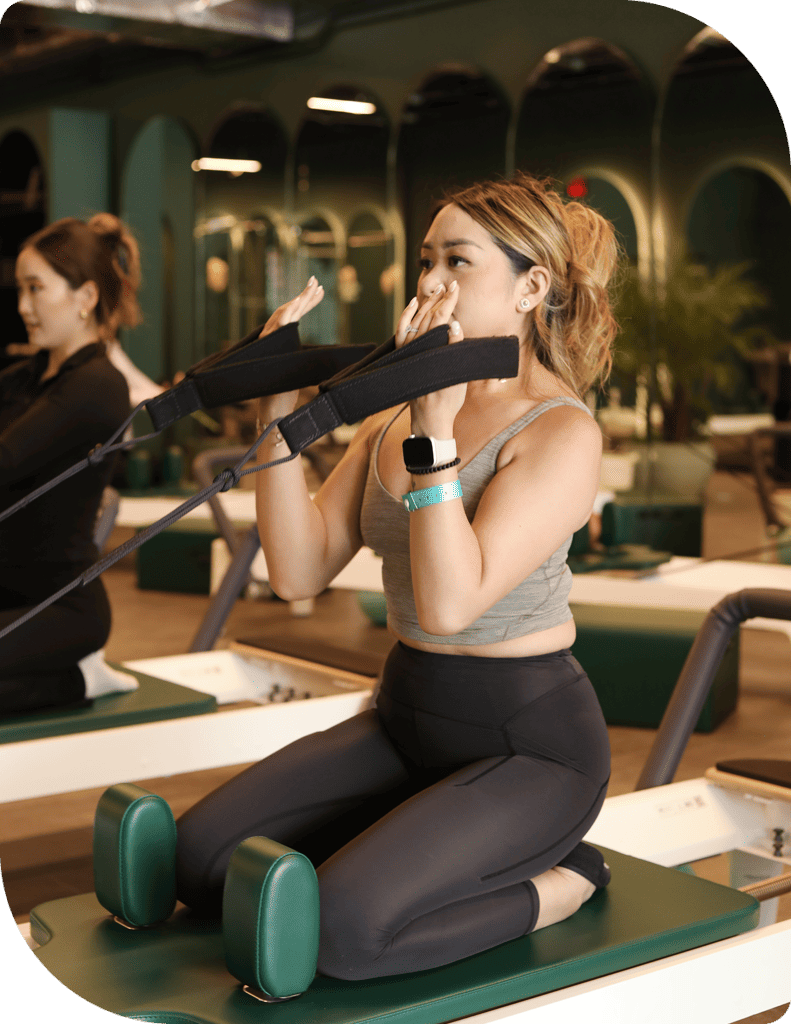
In contrast, Pilates consists of small, precise movements that target specific muscle groups. Many Pilates exercises are performed on a mat or using specialized equipment like the Reformer, which adds resistance to build strength and improve posture.
Breathing Techniques
Breath plays a central role in both disciplines, but it’s used differently. In yoga, breathing (pranayama) is often synced with movement and used as a tool to calm the mind and deepen poses. In Pilates, breath is used to activate the core and support muscle engagement during movement. This makes Pilates particularly effective for those seeking to improve core stability and strength.
Mental and Spiritual Focus
Yoga tends to incorporate mindfulness and meditation more prominently than Pilates. Many yoga classes, especially in Miami’s wellness-focused studios, conclude with a guided relaxation or meditation session. Pilates, while mentally engaging, is more focused on physical conditioning and body mechanics.
Equipment and Props
While yoga typically requires just a mat, sometimes with blocks, straps, or bolsters, Pilates often involves equipment. At Backstage Pilates, our studio features Reformers, Towers, and Chairs to enhance your Pilates experience and take your body conditioning to the next level.
Which Is Better for Your Fitness Goals?
Pilates vs Yoga for Weight Loss
If you’re wondering whether to choose yoga or Pilates for weight loss, the answer depends on your intensity and consistency. Yoga, especially more vigorous styles like Vinyasa or Power Yoga, can help burn calories and support weight loss through dynamic movement and increased heart rate.
However, Pilates—particularly Reformer Pilates—can also help you shed pounds by building lean muscle and increasing metabolism. It may not burn as many calories per session as high-intensity cardio, but it improves body composition and muscle tone, making it an effective part of a comprehensive weight loss program.
Calories Burned: Pilates vs Yoga
On average, a 150-pound person burns about 175–250 calories in a 60-minute beginner yoga class. In a vigorous power yoga class, this might go up to 400 calories. Pilates mat classes burn about 200–250 calories per hour, while Reformer sessions can burn 300–450 calories depending on intensity and resistance used. So if you’re comparing Pilates vs yoga calories burned, Pilates may have the edge—especially when using equipment.
Pilates vs Yoga for Toning and Core Strength
Looking to firm up your abs or sculpt lean muscles? Pilates is known for its intense focus on core engagement. Every movement originates from the “powerhouse”—your deep abdominal muscles, pelvic floor, and lower back. This makes Pilates particularly effective for toning the midsection and improving muscular balance.
Yoga can also help with toning, especially in poses that require full-body activation like Plank, Warrior, or Boat pose. However, if your main goal is to strengthen and define your core, Pilates vs yoga for core strength tips in favor of Pilates.
Pilates vs Yoga for Flexibility
Both practices improve flexibility, but yoga is traditionally more focused on this goal. Deep stretches and longer holds in yoga help lengthen tight muscles and increase joint mobility.
That said, Pilates also enhances flexibility—especially when you maintain proper form and alignment. It emphasizes dynamic stretching, which improves functional flexibility used in everyday movements. If you’re trying to decide between Pilates or yoga for flexibility, yoga may offer faster gains, but Pilates builds flexibility with strength, which helps prevent injury.
Pilates vs Yoga for Posture and Alignment
Poor posture is a common issue in today’s tech-driven world. Pilates places a strong emphasis on spinal alignment, scapular stabilization, and pelvic positioning. This makes it ideal for correcting posture problems caused by sitting too long or overuse injuries.
Yoga also promotes body awareness and alignment, but in a less structured way than Pilates. So when comparing Pilates vs yoga for posture, Pilates often provides quicker and more lasting improvements—especially when working with a certified instructor who can guide your form.
Pilates vs Yoga for Back Pain
Both disciplines can help relieve back pain, but with different approaches. Pilates strengthens the deep core muscles that support the spine, which can alleviate lower back pain over time. Many physical therapists even incorporate Pilates into rehab programs.
Yoga focuses more on stretching tight muscles and reducing tension, which can also ease back discomfort. However, certain yoga poses may aggravate existing back issues if not performed correctly.
If you’re dealing with chronic pain, you might find greater benefit in Pilates vs yoga for back pain, especially under the guidance of a trained professional in a controlled environment like Backstage Pilates in Miami.
Which Is Better for Beginners?
Pilates vs Yoga for Beginners
If you’re new to both practices, you might ask: Which is better, Pilates or yoga? The answer depends on your fitness level, goals, and preferences. Yoga tends to be more accessible for beginners, especially slower-paced styles like Hatha or Yin yoga. It introduces you to body awareness, breathing, and gentle movement in a supportive setting.
Pilates can also be beginner-friendly, especially with customized instruction. At Backstage Pilates, we offer beginner-level Reformer classes that introduce you to the equipment and foundational movements. With the right instruction, Pilates is suitable for all levels and can be adapted to accommodate injuries or limitations.
Key Differences for Beginners
- Yoga: Great for stress relief, flexibility, and mindfulness. May feel more relaxed and meditative.
- Pilates: Focused on alignment, strength, and precision. May feel more technical but offers faster strength gains.
If you’re still wondering, “Should I do Pilates or yoga first?”—try both! Many Miami locals enjoy exploring both disciplines to see which one resonates more. You might even find that combining Pilates and yoga gives you the best of both worlds.
Pilates vs Yoga Results: What to Expect
So what kind of results can you expect? With regular practice, both yoga and Pilates can lead to improved flexibility, reduced stress, better posture, and enhanced physical and mental well-being.
With Pilates, you’ll likely notice quicker physical changes in muscle tone and core strength. Yoga may offer faster improvements in mental clarity, stress reduction, and flexibility. If you’re comparing Pilates vs yoga results, your goals will determine which one delivers more noticeable changes.
Combining Pilates and Yoga
Why choose one when you can do both? A Pilates yoga combination can be incredibly effective for a balanced fitness routine. Pilates builds strength and precision, while yoga enhances flexibility and mindfulness. Many Miami residents incorporate both to align with the city’s health-conscious and active lifestyle.
If you’re looking to do Pilates and yoga together, alternate days or combine shorter sessions. For example, three Pilates classes a week for toning and posture, plus two yoga sessions for flexibility and relaxation, can create a well-rounded routine.
Practical Tips for Choosing the Right Practice
Evaluate Your Goals
Think about what you want to achieve:
- Stress relief and mindfulness? Try yoga.
- Core strength and posture? Go for Pilates.
- Flexibility? Yoga may deliver faster results.
- Toning and body sculpting? Pilates is your go-to.
Consider Your Body’s Needs
Do you have existing injuries or chronic pain? Pilates offers more controlled, low-impact movements with personalized modifications. Yoga can also be therapeutic, but some poses may require greater flexibility or balance.
For those dealing with posture issues, back discomfort, or core weakness, Pilates often delivers more targeted results. If your focus is on relaxation, breathwork, and mental clarity, yoga may be more beneficial.
Trial and Error
The best way to decide is to try both. Many studios, including Backstage Pilates in Miami, offer introductory packages so you can explore different formats. Whether you choose a private Pilates session, a Reformer class, or a corporate wellness program, you’ll gain a deeper connection to your body and mind.
Work With Certified Instructors
Both yoga and Pilates require proper form to be safe and effective. Choose a studio with experienced, certified instructors who can guide you through modifications, ensure correct alignment, and help you get the most from your practice.
At Backstage Pilates, our expert staff is trained in classical and contemporary Pilates methods, creating a welcoming space for all levels. Whether you’re brand new or returning to fitness, we’re here to help you meet your goals.
Check the Class Schedule
Not sure where to begin? Check our schedule to find beginner-friendly classes, group sessions, or personalized private training. Our studio in the heart of Miami offers flexible class times to fit your lifestyle.
Reach Out for Guidance
Still unsure if Pilates or yoga is right for you? Contact us for a free consultation or speak with one of our instructors. We’ll help you choose the best path forward based on your goals, body type, and fitness level.
Explore More Wellness Topics
If you’re passionate about health and fitness, don’t miss our latest articles on technique, form, and holistic wellness. Visit the Backstage Pilates blog for expert tips, inspiration, and Miami-based wellness insights.
Conclusion: Find the Right Fit for Your Body and Goals
When it comes to Pilates versus yoga benefits, there’s no one-size-fits-all answer. Both practices offer incredible advantages for physical and mental health. Your ideal choice depends on your goals, fitness level, and personal preference.
Whether you’re looking to build core strength, relieve back pain, burn calories, or reduce stress, Pilates and yoga each bring unique tools to the table. And for many Miami residents living an active, wellness-focused lifestyle, the perfect solution may be a blend of both.
So go ahead—explore, experiment, and enjoy the journey. Whether you choose Pilates, yoga, or both, you’re investing in a healthier, stronger, more balanced you.
Long-Term Benefits: Pilates vs Yoga Lifestyle Impact
Building a Sustainable Fitness Routine
One of the greatest advantages of both Pilates and yoga is their adaptability for long-term lifestyle integration. Unlike high-impact workouts that may become harder to maintain with age or injury, both practices promote longevity, resilience, and mindful movement.
For Miami residents who enjoy staying active year-round, Pilates and yoga offer sustainable fitness options that can evolve with you. Whether you’re doing a sunrise yoga session on the beach or a Pilates Reformer class in a climate-controlled studio, you’re nurturing a practice that supports both your current fitness goals and your future well-being.
Longevity and Injury Prevention
In terms of injury prevention, Pilates holds a strong edge due to its emphasis on core control, alignment, and joint stability. This makes it especially useful for athletes, dancers, and those recovering from injuries.
Yoga improves muscle elasticity and joint range of motion, which also supports long-term mobility. When deciding on Pilates vs yoga results over time, consider what your body needs most—structure and strength (Pilates) or flexibility and flow (yoga).
Integrating Pilates or Yoga Into Your Lifestyle
Incorporating either practice into your weekly routine doesn’t have to be complicated. At Backstage Pilates, we offer flexible scheduling and a supportive community to help you stay consistent. Whether you prefer early morning sessions before work or a lunchtime class to reset your energy, there’s a format that fits your lifestyle.
If you’re just getting started, we recommend trying 2–3 sessions per week to build consistency and see measurable results. Gradually, you can increase frequency or mix in both disciplines depending on your personal goals.
The Benefits of Practicing Pilates and Yoga Together
Why Not Both?
If you’re still stuck choosing between Pilates and yoga, here’s a game-changing idea: don’t choose—combine. A Pilates yoga combination gives you the structural strength of Pilates and the mental clarity of yoga, creating a well-rounded body-mind practice.
This complementary approach is especially popular in Miami’s wellness scene, where locals often focus on maintaining both physical performance and mental balance. With the city’s high-energy pace and outdoor lifestyle, it makes perfect sense to blend practices that support endurance, mobility, and emotional well-being.
How to Combine for Maximum Benefit
You don’t need to do both every day. A simple weekly structure might look like this:
- Monday: Reformer Pilates (Core & Strength)
- Wednesday: Vinyasa Yoga (Flexibility & Flow)
- Friday: Mat Pilates (Alignment & Posture)
- Sunday: Yin Yoga (Relaxation & Recovery)
This balanced mix targets every major aspect of fitness—strength, flexibility, breath, and mindfulness—while allowing your body time to recover and adapt.
Enhanced Recovery and Performance
For those who engage in other fitness activities like running, cycling, or weight training, combining Pilates and yoga provides essential cross-training benefits. Pilates strengthens the core and stabilizing muscles, improving athletic performance and reducing injury risk. Yoga promotes recovery by alleviating tightness and restoring range of motion.
Together, they form a holistic recovery model that supports your active Miami lifestyle—whether you’re hitting the gym, paddleboarding in Biscayne Bay, or dancing through the weekend.
Mind-Body Connection: Stress, Sleep, and Mental Clarity
Pilates or Yoga for Stress Relief?
Stress is something we all face, especially in fast-paced cities like Miami. So it’s no surprise that many people turn to movement-based practices to unwind and reset. But which is better: Pilates or yoga for stress?
Yoga often takes the lead here. Its integration of breathwork, meditation, and deep relaxation techniques (such as Savasana) makes it highly effective for calming the nervous system and relieving anxiety. Styles like Restorative and Yin yoga are especially soothing for stress relief.
However, Pilates also offers stress-reducing benefits. The focused, controlled movements help pull your attention away from daily worries and into the present moment. For many, this mindful movement feels meditative in its own right—especially in a calm, supportive studio environment like Backstage Pilates.
Improved Sleep Quality
Both Pilates and yoga can improve sleep, though in different ways. Yoga’s calming effects on the nervous system make it ideal for winding down in the evening. Gentle poses and breathing exercises can help you fall asleep faster and sleep more deeply.
Pilates, by enhancing physical alignment and reducing muscle tension, can also improve sleep—especially for those suffering from discomfort that interferes with rest. A strong, supportive core helps maintain spinal alignment even while you sleep, reducing nighttime aches and pains.
Boosting Mental Clarity and Mood
Both practices have been shown to improve mood, sharpen focus, and reduce symptoms of depression and anxiety. In fact, studies suggest that regular participation in Pilates or yoga can boost serotonin levels, lower cortisol (the stress hormone), and improve overall emotional resilience.
So, when considering which is better, Pilates or yoga for mental wellness, the best choice may be whichever one keeps you coming back consistently.
Choosing the Right Studio and Instructor
What to Look for in a Pilates or Yoga Studio
Not all studios are created equal. Whether you’re exploring yoga or Pilates for the first time, the environment you practice in plays a huge role in your experience. Look for studios that:
- Offer beginner-friendly options and modifications
- Have certified, experienced instructors
- Provide clean, well-equipped spaces
- Foster a welcoming and inclusive community
At Backstage Pilates, our Miami-based studio checks all these boxes and more. We specialize in personalized instruction, small group classes, and high-quality equipment to ensure you get the most out of every session.
Private Sessions vs Group Classes
Trying to decide between private instruction or group training? Each has its own advantages:
- Private Pilates sessions: Ideal for beginners, those with injuries, or anyone seeking personalized attention. You’ll work one-on-one with a certified instructor to focus on your unique goals.
- Group classes: Great for building consistency, enjoying community, and exploring a variety of formats. Group energy can be highly motivating!
You can check our class schedule to find the right class for you, whether you’re just starting out or looking to deepen your practice.
Corporate Wellness and Community Wellness
In Miami’s dynamic corporate world, office wellness is becoming more important than ever. Companies are increasingly offering Pilates and yoga as part of their employee wellness programs to reduce stress, improve posture, and boost productivity.
At Backstage Pilates, we offer custom corporate wellness programs tailored to meet your team’s needs—whether in-studio or on-site. It’s a great way to bring the benefits of mindful movement into your daily work culture.
How to Get Started With Pilates or Yoga in Miami
Start With Your Goals
Before diving in, reflect on your goals. Ask yourself:
- Do I want to build core strength and alignment? → Try Pilates
- Do I need to unwind and stretch? → Try yoga
- Do I want both strength and flexibility? → Combine both
Whatever your answer, there’s a class that fits you. And if you’re unsure, our friendly team at Backstage Pilates is here to help guide you toward the best starting point.
Dress for Comfort and Movement
Both yoga and Pilates require clothing that moves with you. Choose fitted, breathable attire that allows your instructor to see your form and alignment. In Miami’s warm, humid climate, moisture-wicking fabrics are especially helpful.
Hydrate and Fuel Your Body
Miami’s heat means hydration is key—even in air-conditioned studios. Drink water before and after class, and opt for a light snack like a banana or protein bar if you’re working out after a long day.
Stay Consistent and Be Patient
Like any fitness journey, results from Pilates and yoga take time. You may feel changes after just a few classes, but real transformation happens with consistent practice. Celebrate small victories—like improved posture, deeper stretches, or better focus—and keep showing up.
Conclusion: Embrace the Practice That Works for You
Whether you’re drawn to the mindful flow of yoga or the precise strength-building of Pilates, both practices offer powerful benefits that support your body, mind, and lifestyle. And for many Miami locals, the choice isn’t between Pilates vs yoga—it’s how to enjoy both.
At Backstage Pilates, we’re passionate about helping you find the right balance. Whether you’re looking to join our group classes, explore private Pilates sessions, or speak with an instructor about your goals, we’re here to support your journey.
Ready to take the first step toward a stronger, more flexible, and more balanced you? Visit our Pilates and wellness blog for more tips, or book your session today and discover how Pilates and yoga can transform your life—one breath, one movement at a time.