Pilates and yoga are two popular mind-body practices that promise flexibility, strength, and improved well-being—but which one is right for your body and goals? In this guide, we break down Pilates vs yoga to help Miami locals choose the best fit for their fitness journey.
Pilates vs Yoga: Understanding the Core Differences
If you’re trying to decide between Pilates and yoga, you’re not alone. These two movement disciplines may seem similar at first glance—both promote flexibility, mindfulness, and core strength—but they differ significantly in technique, focus, and benefits. Whether you’re looking to strengthen your core, improve flexibility, manage stress, or tone your body, understanding the difference between Pilates and yoga is key to choosing the right path for your fitness goals.
What Is Pilates?
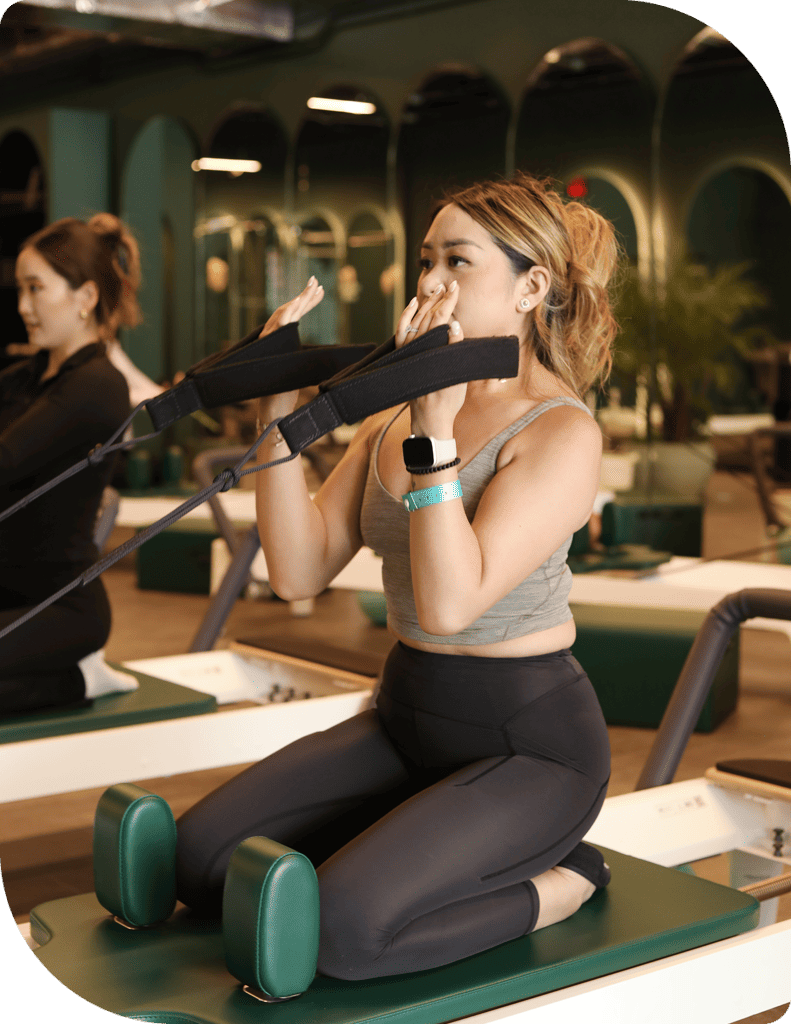
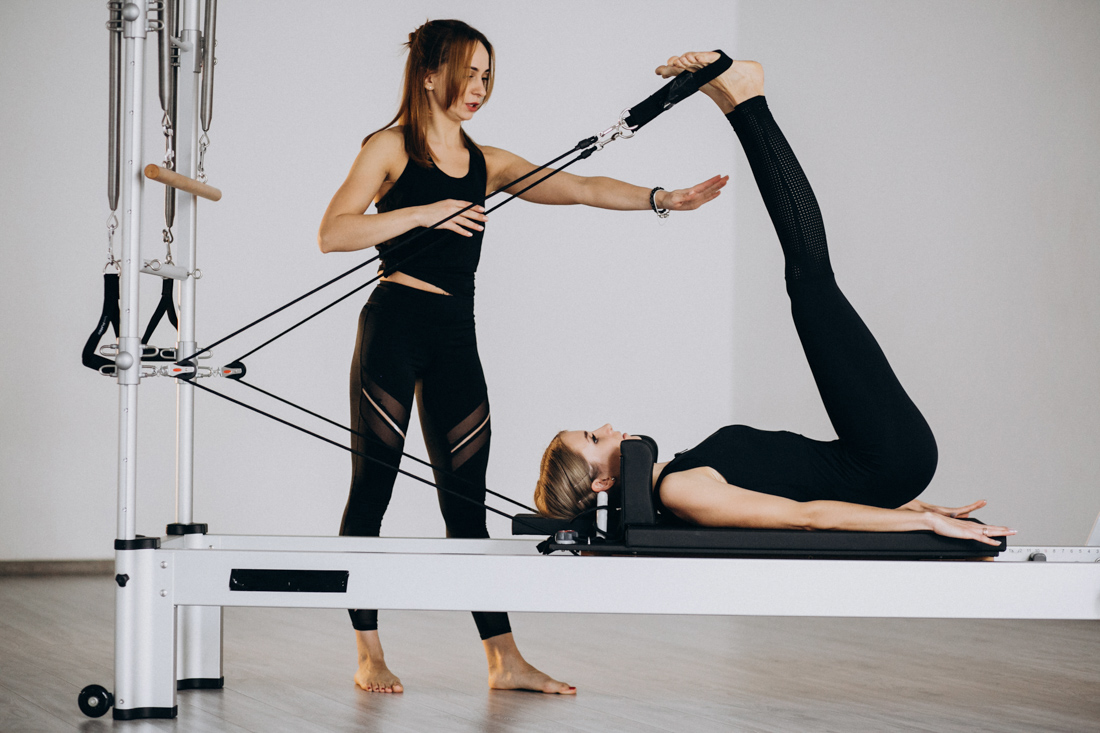
Pilates is a low-impact exercise method developed by Joseph Pilates in the early 20th century. It focuses on controlled movements, breathwork, and alignment to develop core strength, stability, and muscular balance. Pilates can be performed on a mat or using specialized equipment like the Reformer, Cadillac, or Wunda Chair.
Key Elements of Pilates
- Core-focused movement
- Low-impact exercises
- Breath control and precision
- Use of equipment for resistance and support
At Backstage Pilates in Miami, we offer both group classes and private sessions, allowing clients to work at their own pace with expert guidance and support.
What Is Yoga?
Yoga is a centuries-old practice rooted in ancient Indian philosophy. It combines physical postures (asanas), breath control (pranayama), and meditation to promote physical, mental, and spiritual well-being. Depending on the style, yoga can range from gentle and meditative to physically demanding.
Key Elements of Yoga
- Mindfulness and breath awareness
- Flexibility and balance
- Spiritual and meditative components
- Varied styles (e.g., Hatha, Vinyasa, Yin, Bikram)
In Miami’s vibrant wellness scene, yoga is a staple in parks, beaches, and boutique studios. However, if your primary goal is body conditioning, it’s worth comparing Pilates versus yoga benefits in more detail.
Pilates vs Yoga for Different Fitness Goals
Choosing between Pilates or yoga depends largely on your personal fitness objectives. Below, we break down how each method supports different health and fitness goals.
Pilates vs Yoga for Core Strength
When it comes to building a strong, stable core, Pilates has a clear advantage. Core engagement is the foundation of every Pilates exercise, whether you’re on the mat or a Reformer.
At our Miami studio, we often recommend Pilates for clients looking to improve posture, reduce back pain, or build functional strength. If you’re asking, “Should I do Pilates or yoga to strengthen my abs?”—Pilates is your best bet.
Why Core Strength Matters
- Improves balance and mobility
- Supports spinal health
- Enhances performance in other workouts
Pilates vs Yoga for Flexibility
Yoga excels in improving flexibility, especially in the hips, hamstrings, and spine. Holding poses for longer periods allows muscles to stretch deeply and safely. If you’re tight from running, cycling, or sitting at a desk all day, yoga can help lengthen the muscles and increase range of motion.
That said, Pilates also promotes flexibility—especially dynamic flexibility—through controlled lengthening of the muscles during movement. In fact, combining Pilates and yoga together can offer the best of both worlds.
Pilates vs Yoga for Weight Loss
If you’re deciding between yoga or Pilates for weight loss, it’s important to consider how each contributes to calorie burn and body composition changes.
Calories Burned: Pilates vs Yoga
According to the American Council on Exercise, a beginner-level Pilates session burns approximately 175–250 calories per hour, while advanced classes can burn up to 450 calories. Yoga, depending on the style, burns anywhere from 180 to 500 calories per hour, with power or hot yoga yielding higher numbers.
However, Pilates often leads to better toning and lean muscle development, which boosts metabolism over time—making it an excellent option for long-term weight management.
Pilates vs Yoga for Toning
For muscle definition and body sculpting, Pilates is typically more effective. Its resistance-based movements target small stabilizing muscles, creating a lean, toned look without bulk. Reformer Pilates, in particular, adds resistance that helps tone arms, legs, glutes, and core efficiently.
Yoga builds strength too, especially in bodyweight poses like planks and chaturanga, but it may not offer the same level of targeted toning as Pilates.
Health Benefits: Pilates Compared to Yoga
Both practices offer a wide range of health benefits—physical, mental, and emotional. Here’s how the Pilates and yoga difference shows up in everyday wellness.
Pilates vs Yoga for Back Pain
Many people turn to Pilates or yoga for relief from chronic back pain. Pilates focuses on core stabilization and postural alignment, which helps prevent and alleviate back discomfort. It’s often recommended by physical therapists for injury rehabilitation and prevention.
Yoga also supports spinal health through gentle stretches and mindful movement. However, not all yoga poses are safe for people with back issues. If you’re dealing with back pain, we suggest speaking with an instructor before choosing a class.
At Backstage Pilates, our instructors customize sessions to address specific needs—making Pilates a safer and more effective option for back pain relief in many cases.
Pilates vs Yoga for Posture
Thanks to its emphasis on core engagement, spinal alignment, and balanced muscle development, Pilates is particularly effective for improving posture. Many of our Miami clients notice better posture and body awareness after just a few sessions.
Yoga also helps with posture, especially through poses that open the chest and strengthen the back. However, Pilates provides a more structured approach to correcting postural imbalances.
Pilates or Yoga for Stress Relief
Both practices are excellent for managing stress and promoting mental clarity. Yoga, with its meditative elements and breathwork, may have a slight edge in this category—especially for those seeking a spiritual or emotional release.
That said, the mindful movement and breath connection in Pilates also create a calming, focused experience. Many of our clients find that joining a group Pilates class helps them disconnect from daily stress and reconnect with their bodies.
Pilates vs Yoga for Beginners
If you’re new to mind-body fitness, the idea of starting a new practice can be intimidating. Here’s how Pilates and yoga stack up for beginners in Miami’s wellness community.
Accessibility for All Fitness Levels
Pilates and yoga are both beginner-friendly, but they offer different entry points. Yoga classes vary widely in intensity, from gentle restorative sessions to fast-paced Vinyasa flows. It’s important to find a style and instructor that meet your needs.
Pilates, particularly mat classes or beginner Reformer sessions, offers a more structured and predictable format—ideal for those who prefer a clear progression. At Backstage Pilates, our instructors are trained to modify exercises for all levels, ensuring a safe and empowering experience.
Learning Curve and Technique
Pilates has a steeper learning curve due to its focus on precision, alignment, and breath coordination. But with proper instruction, most beginners pick it up quickly and start seeing results within a few weeks.
Yoga may feel more intuitive at first, especially if you’re drawn to stretching and fluid movement. However, mastering the breath control and meditative aspects can take time. If you’re wondering whether to try Pilates or yoga first, consider your goals and comfort level with structured movement.
Local Tips for Starting in Miami
Miami offers an abundance of yoga classes in parks, on rooftops, and even at the beach. But if you’re looking for a focused, results-driven practice with expert guidance, we recommend contacting our team to explore private Pilates sessions or small-group classes tailored to your goals.
Our studio is centrally located and offers flexible scheduling for busy professionals and wellness seekers. Whether you’re just beginning or returning to fitness, Pilates can be a powerful foundation for lifelong health.
Should I Do Pilates or Yoga? Making the Right Choice
Still asking yourself, “Which is better, Pilates or yoga?” The truth is, there’s no one-size-fits-all answer. It depends on your goals, preferences, and any physical limitations you may have. Here’s a quick guide to help you decide:
Choose Pilates If You Want To:
- Build core strength and stability
- Improve posture and alignment
- Reduce or prevent back pain
- Tone and sculpt your body
- Follow a structured, goal-oriented program
Choose Yoga If You Want To:
- Increase flexibility and mobility
- Reduce stress and anxiety
- Enhance spiritual or meditative practice
- Explore a variety of movement styles
- Focus on emotional and energetic balance
But you don’t have to choose just one. Many of our clients benefit from a Pilates yoga combination, using both practices to create a balanced, holistic fitness routine. Whether you practice one or both, the key is consistency and quality instruction.
Ready to get started? Check our schedule and book your first class today or reach out to our team to learn more about our programs. We’re here to support your wellness journey in sunny South Florida.
Stay tuned as we dive deeper into how combining Pilates and yoga can amplify your results, plus expert tips on how to structure your routine for optimal health and performance.
Integrating Pilates and Yoga: Can You Do Both?
One of the most common questions we hear at Backstage Pilates is, “Can I do both Pilates and yoga?” The answer is a resounding yes. In fact, combining both practices can maximize your physical and mental wellness while preventing plateaus in your fitness routine. Each method complements the other—Pilates builds strength and alignment, while yoga enhances flexibility and inner calm.
The Benefits of Combining Pilates and Yoga
Whether you’re a Miami fitness enthusiast or just starting your wellness journey, blending Pilates and yoga can lead to powerful results. Here are some key advantages of practicing both:
- Balanced Strength and Flexibility: Pilates strengthens the muscles that yoga stretches, and vice versa.
- Injury Prevention: The combined focus on alignment, mobility, and control helps reduce the risk of injury.
- Mind-Body Connection: Both practices enhance awareness, but yoga’s meditative aspects deepen your mental clarity.
- Versatile Scheduling: In Miami’s active lifestyle, alternating yoga and Pilates sessions creates a sustainable routine.
For example, you might do Reformer Pilates two days a week for muscle tone and posture, and attend a gentle yoga class on weekends to unwind and stretch. This Pilates yoga combination is especially beneficial for those managing stress, recovering from injury, or juggling a busy urban lifestyle.
Structuring Your Weekly Routine
If you’re wondering how to structure your workouts, here’s a sample weekly schedule that blends both disciplines effectively:
- Monday: Mat Pilates (core activation + alignment)
- Tuesday: Vinyasa Yoga (flow and flexibility)
- Wednesday: Rest or light walk on the beach
- Thursday: Reformer Pilates (full-body sculpting)
- Friday: Yin Yoga (deep stretching and relaxation)
- Saturday: Pilates cardio fusion class or beach yoga
- Sunday: Rest or meditation
Depending on your fitness goals—whether it’s Pilates vs yoga for toning, stress relief, or core strength—you can adjust the frequency and intensity of each session. Our expert instructors at Backstage Pilates can help you tailor a plan that works for your schedule and needs.
Pilates vs Yoga Results Over Time
When considering long-term outcomes, many clients ask, “What kind of results can I expect from Pilates versus yoga?” While both practices deliver powerful benefits, the results can vary depending on your consistency, fitness level, and personal goals.
Short-Term vs Long-Term Results
Here’s what to expect as you commit to either (or both) practices:
In the First Few Weeks
- Increased body awareness and energy
- Improved posture and breath control
- Reduced stress and tension
After 1–3 Months
- Noticeable core strength (especially with Pilates)
- Improved flexibility and balance (especially with yoga)
- Better sleep and mood regulation
- Increased muscle tone and endurance
After 6 Months or More
- Lasting improvements in posture, alignment, and joint health
- Lean muscle development and fat loss
- Enhanced mental clarity and emotional resilience
- Sustainable lifestyle changes and body confidence
Whether you’re evaluating Pilates vs yoga for posture or stress relief, consistency is key. At Backstage Pilates, we guide our Miami clients through every stage of their journey—from their first class to long-term transformation.
Tracking Your Progress
To get the most out of your routine, it helps to track your progress over time. Here are some simple ways to measure your results:
- Take before-and-after photos every 4–6 weeks
- Keep a journal to note energy levels, sleep quality, and mood
- Measure flexibility improvements with specific poses or stretches
- Track strength gains in Pilates exercises like the Hundred or Plank
Don’t forget—progress isn’t just physical. Many clients report improved focus, reduced anxiety, and greater confidence as some of the most meaningful results from their Pilates or yoga practice.
Pilates vs Yoga in Miami: What Works Best for Locals?
Living in Miami offers unique opportunities to enjoy fitness year-round. With a vibrant outdoor culture, beach workouts, and wellness events across the city, it’s easy to integrate Pilates and yoga into your lifestyle. But which is more in tune with the South Florida vibe?
Miami Lifestyle Considerations
From sunny beach mornings to busy downtown workdays, Miami’s pace is fast, fun, and fitness-focused. Here’s how each practice fits into the local scene:
Pilates in the Magic City
- Indoor, air-conditioned studios—perfect for escaping the heat
- Group Reformer classes for high-energy toning
- Private sessions tailored to busy professionals and performers
- Popular among athletes, dancers, and wellness-focused locals
Yoga in Miami’s Outdoors
- Sunrise yoga on the beach or rooftop sessions
- Outdoor classes at local parks and community events
- A strong presence in Miami’s spiritual and holistic circles
If you’re wondering whether to try Pilates or yoga for core strength or flexibility in Miami, consider your environment. Pilates offers a controlled, climate-friendly setting ideal for structured results. Yoga’s open-air accessibility appeals to those who love nature and flow.
Want to dive into the local scene? Explore our blog for expert tips on staying fit in Miami’s wellness culture.
Corporate Wellness and Community
Miami businesses are increasingly adopting wellness programs to support employee health. Both Pilates and yoga offer valuable benefits for workplace wellness—from reducing stress to improving posture at the desk.
At Backstage Pilates, we provide corporate wellness programs that integrate Pilates principles to help teams move better, feel stronger, and work more efficiently. Interested in bringing mind-body fitness to your workplace? Contact us to learn more.
Expert Tips for Getting the Most Out of Your Practice
1. Choose the Right Class for Your Goals
Whether it’s Pilates vs yoga for beginners or targeting a specific issue like back pain, selecting the right class type is crucial. At Backstage Pilates, we offer:
- Beginner Reformer Pilates – Great for core strength and learning proper alignment
- Private Pilates sessions – Ideal for injury recovery or personalized goals
- Mat Pilates fusion – A blend of Pilates and yoga for total-body movement
If you’re unsure where to start, reach out to our team and we’ll help you design a plan that matches your lifestyle and fitness level.
2. Combine Strength and Stretch
To maximize your results, combine Pilates strength training with yoga flexibility work. This approach not only prevents overuse injuries but also improves overall performance in other sports or activities, like running, cycling, and dance.
3. Prioritize Recovery and Rest
Recovery is just as important as the workout itself. Incorporate restorative yoga or gentle mat Pilates on your off days to stay active without overexerting. This is especially important in Miami’s hot, humid climate, where the body may tire faster during intense sessions.
4. Stay Consistent and Track Progress
The best results come from consistent practice. Whether you’re doing Pilates or yoga—or both—commit to at least 2–3 sessions per week. Use a journal, app, or photos to track changes over time, and celebrate your milestones along the way.
5. Work with Certified Experts
To avoid injury and see true transformation, it’s essential to work with certified, knowledgeable instructors. At Backstage Pilates, our Miami-based team is trained to guide clients safely through every movement, whether you’re attending a group class or exploring private Pilates sessions.
Conclusion: Embrace the Best of Both Worlds
So, should you choose Pilates or yoga? The beauty of these two practices is that you don’t have to pick just one. By understanding the Pilates and yoga difference, you can use each method to support your personal goals—be it flexibility, strength, stress relief, or overall wellness.
In the end, the best practice is the one you’ll commit to consistently. Whether you’re drawn to the structured, core-focused nature of Pilates or the flowing, meditative quality of yoga, both offer lifelong benefits that extend far beyond the mat.
If you’re ready to explore the power of Pilates, check our class schedule or book a session with one of our expert instructors. We’re here to support your journey toward a stronger, healthier, and more balanced life in beautiful Miami.
Join our welcoming community at Backstage Pilates and discover how Pilates can transform not just your body, but your entire outlook on wellness.