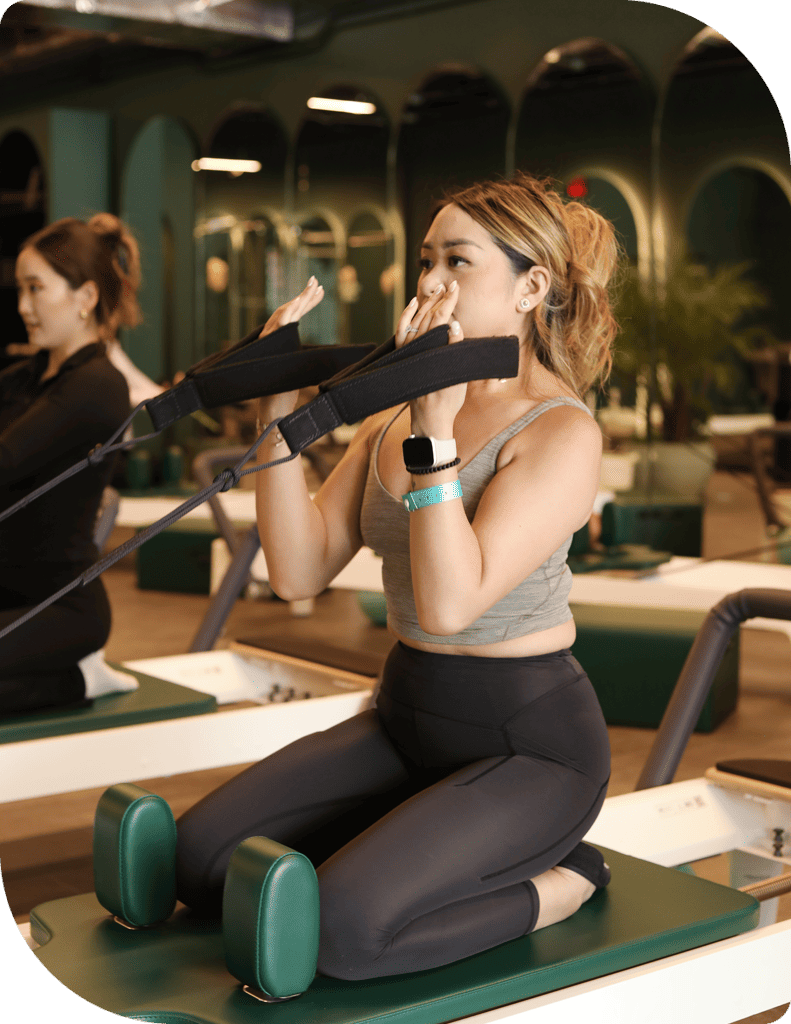
Balanced Body instructor training builds a strong foundation in Pilates movement, anatomy, equipment, teaching skills, and client safety. This guide explains what a Balanced Body certification may cover, how comprehensive training works, and how Miami students can prepare for a rewarding Pilates career.
What Is Balanced Body Pilates Instructor Training?
Balanced Body Pilates instructor training is an education pathway designed for people who want to teach Pilates with confidence, clarity, and strong technical knowledge. It commonly combines movement practice, anatomy education, equipment training, supervised teaching, and written or practical assessments.
It is not simply about learning exercises. A quality pilates training program teaches future instructors how to see movement, explain it in simple words, and adjust each session for the individual in front of them.
That matters in Miami. South Florida clients arrive with many different goals: building core strength, improving posture after long workdays, recovering from active weekends, supporting athletic performance, or finding a low-impact workout that feels good in the heat and humidity. An instructor needs more than a memorized class sequence.
They need judgment.
A Balanced Body-based education often begins with Pilates principles such as breathing, concentration, control, precision, flow, and centered movement. Students learn how these ideas appear in real bodies, not just in a manual. For example, “engage your core” is not enough direction on its own. A skilled teacher can help a client find stable alignment without holding tension in the shoulders, jaw, or hips.
For anyone new to the method, learning what Pilates is before starting formal education can make the process far more meaningful. Regular classes also help prospective instructors experience different teaching styles, exercise progressions, and equipment setups.
Who Can Take an Instructor Course?
An instructor course can be a smart next step for dedicated Pilates students, fitness professionals, dancers, yoga teachers, physical therapy professionals, and career changers. You do not need to be a professional athlete. You do need curiosity, consistency, and respect for the learning process.
Many successful instructors started as beginners. They took classes, noticed changes in their strength and mobility, and eventually wanted to share that experience with others.
Before enrolling, spend time moving on the mat and reformer. A solid personal practice helps you understand the work in your own body first. Backstage Pilates offers Reformer Pilates classes that can help students become familiar with spring resistance, carriage movement, and common studio cues.
Core Subjects Covered in a Balanced Body Certification
A Balanced Body certification generally covers both the art and science of teaching Pilates. Exact course requirements, hours, and assessments can vary by training pathway, location, and chosen modules, but the core educational topics are often similar.
Movement Principles and Pilates Foundations
Training usually starts with fundamental movement principles. Students explore neutral alignment, spinal mobility, pelvic placement, shoulder organization, breath patterns, and core support. These topics create a shared language for later exercises.
Future instructors also study how to break down familiar movements. A Roll Up, for instance, is not one skill. It involves breathing, abdominal control, hip stability, spinal articulation, and appropriate range of motion. Learning to spot where a client struggles is a major part of becoming an effective teacher.
Anatomy, Biomechanics, and Body Awareness
Anatomy is essential in any reputable pilates instructor training path. Students learn major muscles, joints, planes of movement, posture patterns, and basic biomechanics. The goal is not to diagnose injuries. It is to understand safer movement options and recognize when a client may need medical guidance.
In practical terms, anatomy helps instructors answer questions like:
- Why does a client feel hip flexors more than abdominals?
- How can shoulder tension change a pulling exercise?
- Which modifications may support someone with limited spinal mobility?
- When should an exercise be reduced, replaced, or skipped?
This knowledge is especially valuable in a diverse Miami studio environment, where clients may range from office professionals and runners to new parents, older adults, and seasonal visitors.
Mat, Reformer, and Apparatus Education
A balanced program may include Mat training, Reformer training, and work on additional apparatus such as the Cadillac, Chair, barrels, and smaller props. Each piece of equipment has a purpose. Springs can create resistance, feedback, assistance, or instability depending on the setup.
Students learn exercise order, setup, safety checks, spring choices, transitions, and modifications. They also learn that the best exercise is not always the most advanced one. A simple movement done with control can be more useful than a complicated variation performed with poor alignment.
For a clear look at the tools used in studio practice, review this guide to Pilates equipment. Understanding the equipment early can make an apparatus-focused instructor course feel much less intimidating.
How Comprehensive Certification Develops Teaching Skills
A comprehensive certification goes beyond learning individual exercises. It prepares instructors to create thoughtful sessions across multiple Pilates formats and equipment types. That broader education can be valuable for those who want to work in studios, wellness centers, private settings, or corporate fitness programs.
Observation, Practice Teaching, and Feedback
Watching experienced instructors is a key part of learning. During observation hours, trainees notice how teachers welcome clients, organize equipment, explain movements, manage group energy, and offer corrections without overwhelming anyone.
Then comes practice teaching. At first, it can feel challenging to teach while tracking spring settings, alignment, breath, timing, and safety. Repetition changes that. With each session, the instructor learns to use fewer words, give clearer cues, and make better decisions in real time.
Effective Pilates Cues Are Specific
Vague cues can confuse clients. “Use your core” may mean little to someone who has never trained before. A clearer cue could be, “Exhale gently and feel your ribs soften as you lift through your lower belly.” It gives the client a practical action to try.
Good teachers also adapt their language. One client may respond to imagery, while another needs a direct anatomical explanation. A strong pilates training program helps future instructors develop both approaches.
Programming for Different Clients
Training should teach instructors how to structure a class or private session with a clear goal. That includes a warm-up, progressive movement choices, balanced muscle work, transitions, and a calm finish.
It also includes modifications. A beginner may need a smaller range of motion. An experienced practitioner may be ready for greater coordination or spring challenge. A prenatal client, an athlete, and someone returning after a long break should not receive identical programming.
Private sessions are particularly useful for developing this skill because every workout is personalized. Exploring private Pilates training can show aspiring instructors how individualized coaching supports safer progress and deeper body awareness.
Preparing for a Pilates Teaching Career in Miami
Choosing a Balanced Body pathway is a meaningful commitment. Before enrolling, build a regular practice, ask questions about required hours, and make time for study outside class. Anatomy review, personal workouts, observation, and practice teaching all require steady effort.
Start by taking a range of classes. Beginner sessions teach the value of clear instruction and thoughtful pacing. Intermediate classes reveal how progressions build over time. You can also learn a great deal by noticing what makes you feel supported as a student.
Miami’s wellness culture offers exciting opportunities for trained instructors. Clients value efficient, intelligent movement that supports both an active lifestyle and long-term health. With a strong foundation, a thoughtful balanced body certification, and consistent practice, future teachers can create sessions that help people move better, feel stronger, and return to Pilates with confidence.
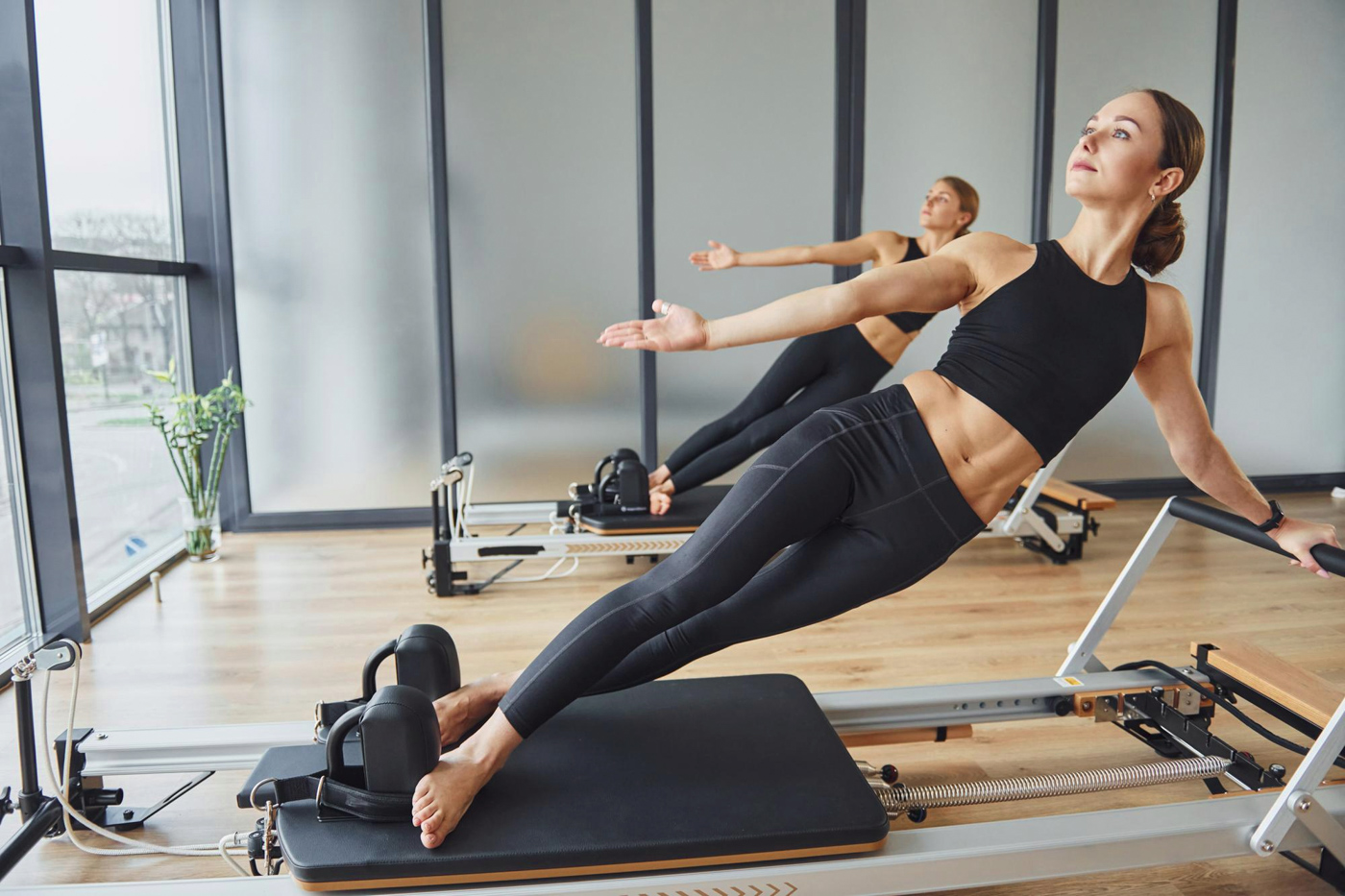
Understanding Certification Requirements and Training Hours
One of the most common questions about Balanced Body Pilates instructor training is, “How long does it take?” The honest answer is that timelines vary. Your schedule, selected modules, prior experience, and the type of credential you want all affect the process.
A focused Mat instructor course may take less time than a full apparatus pathway. A comprehensive certification, however, typically requires a larger commitment because it includes several equipment systems, more observation, more practice teaching, and broader assessment.
What Training Hours Usually Include
Hours in a Pilates training program are not spent only in a classroom. Strong education combines several forms of learning, each with a different purpose.
- Lecture hours: Learning exercise details, anatomy, teaching methods, and safety principles.
- Personal practice: Building your own experience with Pilates movement and equipment.
- Observation hours: Watching trained teachers lead real clients and group classes.
- Practice teaching: Guiding others while receiving feedback and improving your skills.
- Assessment preparation: Reviewing exercises, programming choices, and cueing strategies.
This structure matters. Knowing an exercise on paper is different from teaching it to a client who is nervous, tired, new to movement, or working around limited mobility.
For example, a Miami professional may arrive after hours of sitting in traffic or at a desk. A knowledgeable instructor knows that person may need more than a challenging core series. They may benefit from breath work, shoulder mobility, hip opening, and gradual spinal movement before adding intensity.
Certification Assessments Build Confidence
Most respected training pathways include some form of assessment. This may involve written work, a practical teaching evaluation, movement demonstrations, or a combination of these components.
Assessments can feel intimidating. They are also valuable. They encourage trainees to understand why they choose an exercise, how they make it safer, and what they should do if a client cannot perform it as planned.
Focus on Progress, Not Perfection
New teachers do not need to know every answer immediately. They do need to demonstrate sound judgment, stay within their scope of practice, and keep learning.
A good habit is to keep a teaching notebook. After each practice session, write down what worked, which cues landed well, where transitions felt awkward, and what you want to try next time. Small notes create major progress over several months.
It can also help to attend different Pilates classes in Miami as a student. Notice the pacing, setup, music level, corrections, and overall energy. Every well-taught class offers a lesson in communication.
How to Choose the Right Pilates Training Program
Not every pilates instructor training path is the same. Before enrolling, look beyond the course name and ask detailed questions about the curriculum, support, required hours, and educational expectations.
The right program should challenge you while giving you a clear framework for success.
Questions to Ask Before You Enroll
Use these questions to compare a Balanced Body certification pathway or another instructor course:
- Which apparatus are included: Mat, Reformer, Chair, Cadillac, barrels, and props?
- How much anatomy education is provided or required?
- Are observation and practice-teaching hours included in the total?
- What assessments must be completed before certification?
- Is mentorship or feedback available during the training process?
- What are the total costs for tuition, manuals, exams, and equipment access?
- Can the course schedule work with your job, family, and personal practice?
Also ask where you can complete your required practice hours. A convenient, welcoming studio environment makes a real difference. You will spend many hours learning spring settings, practicing verbal cues, and developing your teaching presence.
If you are still building confidence, begin with a consistent class routine. The beginner Pilates classes at Backstage Pilates offer a supportive place to strengthen foundational skills, understand common exercises, and experience clear Pilates instruction firsthand.
Mat Certification vs. Comprehensive Certification
Mat training is often an accessible starting point. It teaches the Pilates method without relying on large equipment, which can be useful for teaching small groups, community sessions, or clients at home.
A comprehensive certification is broader. It prepares teachers to work with a wider range of equipment and client needs. This may create more opportunities in boutique studios, private training settings, athletic facilities, and corporate wellness programs across South Florida.
Neither choice is automatically better. Your goals matter most.
If you want to teach Reformer-based studio sessions, an apparatus-focused education is important. If you hope to create a diverse long-term career, comprehensive training may be the stronger fit. Some instructors begin with Mat education, gain teaching experience, and add Reformer or full-apparatus modules later.
Building a Sustainable Pilates Career in South Florida
Completing a balanced body pilates instructor training course is a major milestone, but it is the beginning of professional growth rather than the finish line. Great instructors continue to practice, study, observe, and refine their skills throughout their careers.
Miami’s active wellness community offers many ways to apply Pilates knowledge. Clients may seek strength for tennis, golf, running, dance, paddleboarding, or simply daily life. Others want a quiet, air-conditioned space to reset after a busy week.
Develop Your Teaching Style
Your teaching voice will evolve with experience. At first, focus on safety, clarity, and thoughtful pacing. Those qualities matter more than trying to sound overly technical or delivering the most difficult workout in the room.
Over time, you may discover that you love working with beginners, athletes, prenatal clients, older adults, or private clients. You might enjoy energetic group classes, detailed one-on-one coaching, or workplace wellness sessions.
Corporate Pilates is growing because employers understand that movement can support focus, posture, stress management, and team connection. Explore corporate Pilates programs to see how Pilates can be adapted for busy professionals and modern Miami workplaces.
Keep Learning After Certification
Continuing education keeps your teaching fresh and responsible. Look for workshops on special populations, injury-aware programming, athletic conditioning, prenatal and postnatal movement, and advanced apparatus work.
Just as important, keep taking classes yourself. Being a student reminds you how it feels to hear a new cue, try an unfamiliar variation, or need extra support on a challenging day. That empathy makes instructors better.
Balanced Body instructor training can provide a strong path into the Pilates profession because it combines movement knowledge with practical teaching skills. The most successful trainees bring patience, consistency, and genuine care for people.
Whether you are exploring an instructor course or deepening your own practice, Backstage Pilates welcomes every level of mover. Contact Backstage Pilates or book a class to experience intelligent, personalized Pilates in Miami and take the next step toward a stronger, more confident future.
Frequently Asked Questions
Do I need Pilates experience before starting Balanced Body instructor training?
You do not need to be a professional athlete or longtime fitness instructor to begin a Pilates instructor course. However, a regular personal practice is highly helpful. Taking Mat and Reformer classes lets you understand Pilates in your own body, become familiar with equipment, and experience different teaching styles. Backstage Pilates Reformer classes can help Miami students build that foundation before formal training.
What does Balanced Body Pilates instructor training include?
Balanced Body Pilates instructor training commonly includes Pilates principles, movement practice, anatomy, biomechanics, equipment setup, client safety, and teaching skills. Depending on the pathway, students may study Mat, Reformer, Cadillac, Chair, barrels, and props. Training also typically includes observation, practice teaching, and written or practical assessments. Exact modules, required hours, and assessments can vary by location and certification pathway.
How much does a Balanced Body Pilates certification cost in Miami?
Certification costs are not one fixed amount because they can depend on the training pathway, selected modules, location, required materials, and assessment requirements. Before enrolling, ask the training provider for a full breakdown of tuition, anatomy study, manuals, observation hours, practice teaching, and any exam-related fees. Planning for regular classes and study time can also help you prepare for the overall commitment.
How long does it take to complete comprehensive Pilates instructor training?
The timeline depends on the certification pathway and how consistently you can complete coursework, anatomy review, observation, personal practice, and practice teaching. Comprehensive Pilates training is designed to build knowledge over time rather than teach a short list of exercises. Miami students should choose a schedule that leaves room for steady practice, feedback, and hands-on experience instead of rushing through the learning process.
What is the difference between Mat, Reformer, and comprehensive Pilates certification?
Mat training focuses on teaching Pilates movements without large equipment, while Reformer training adds spring resistance, carriage movement, setup, and safety skills. A comprehensive certification goes further by preparing instructors to work across multiple formats and apparatus, such as the Cadillac, Chair, barrels, and props. This broader education can be useful for teaching in Miami studios, private sessions, wellness settings, and corporate programs.
Will Pilates instructor training teach me how to modify exercises safely?
Yes. A strong Pilates training program teaches instructors to observe movement, recognize when an exercise needs to be reduced or replaced, and offer appropriate modifications. Anatomy and biomechanics education help trainees understand posture patterns, joint movement, and common areas of tension. Instructors do not diagnose injuries, but they learn when a client may need medical guidance and how to create more supportive movement options.