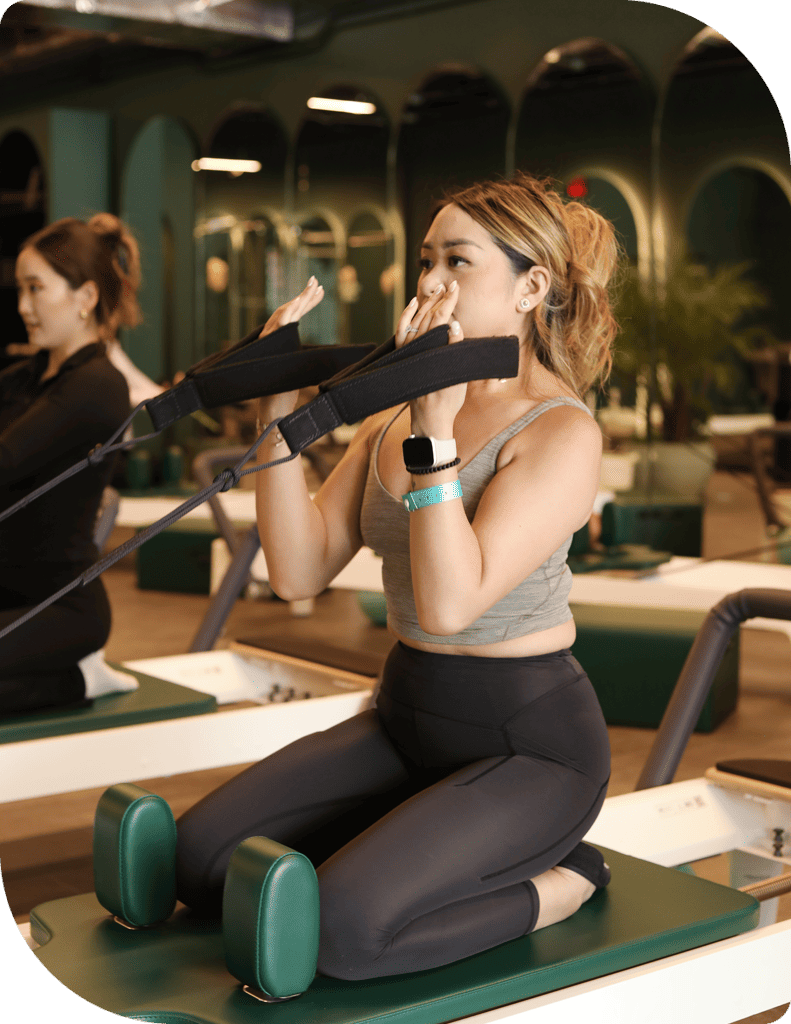
Lateral breathing is a core Pilates skill that supports better posture, deeper abdominal engagement, and smoother movement. Learn how to breathe in Pilates, why ribcage breathing matters, and the common mistakes that can limit your results in class or at home.
What Is Lateral Breathing in Pilates?
Lateral breathing Pilates is a breathing pattern that expands the ribcage outward and backward as you inhale, rather than pushing the belly forward. It is sometimes called ribcage breathing because the goal is to feel your lower ribs widen to the sides, like an umbrella opening.
This approach helps you keep gentle support through the deep abdominal muscles while still taking a full, efficient breath. In Pilates, breathing is not an afterthought. It is part of the movement.
On an inhale, imagine air filling the sides and back of your ribs. Your shoulders stay relaxed. Your neck stays long. On the exhale, your ribs softly narrow while your pelvic floor and deep core muscles provide support from within.
For many people, this feels unfamiliar at first. Daily stress, desk work, tight clothing, and shallow chest breathing can all make the ribcage less mobile. Miami’s fast-paced lifestyle does not always leave much room for slowing down and noticing each breath. Pilates gives you that opportunity.
Why Pilates Uses Ribcage Breathing
Traditional belly breathing can be useful for relaxation, but a Pilates breath technique has a different job during exercise. When you are moving your arms, legs, and spine, you need breath without losing stability through your center.
Lateral breathing allows the abdominal wall to remain gently engaged while the ribs expand. This can help you:
- Maintain better alignment through the spine and pelvis
- Improve awareness of your deep core muscles
- Reduce unnecessary tension in the shoulders and neck
- Move with more control during challenging exercises
- Build better coordination between breath and movement
It also makes Pilates feel more connected. Instead of muscling through a plank, teaser, or leg series, you learn to use your breath to support the effort.
If you are new to the method, our Pilates beginner’s guide is a helpful place to learn the foundations before stepping into more advanced work.
How to Breathe in Pilates: A Simple Step-by-Step Method
The easiest way to learn how to breathe in Pilates is to practice before you add movement. You do not need a Reformer, special equipment, or a long workout. A few focused minutes can make a difference.
Start With a Comfortable Position
Lie on your back with your knees bent and feet flat on the floor. You can also sit tall in a chair if that is more comfortable. Place your hands around the lower part of your ribcage, with your fingers pointing toward the front and your thumbs resting toward your back.
Let your jaw soften. Release your shoulders away from your ears. There is no need to force your posture into a rigid position.
Inhale Into the Sides and Back of Your Ribs
Take a slow inhale through your nose. Try to feel your hands move apart as the ribs expand sideways. Picture your breath reaching the back of your body as well, especially near the lower ribs.
Your belly may move a little, and that is completely normal. The goal is not to hold your stomach tight or make it perfectly still. Instead, avoid letting the abdomen push forward so much that you lose the feeling of support through your center.
Exhale With Control
Exhale slowly through lightly pursed lips, as if you are gently fogging a mirror or blowing through a straw. Feel the ribs draw inward and down. At the same time, imagine gently zipping up the low belly from the pubic bone toward the navel.
Do not squeeze hard. More effort is not always better.
This controlled exhale is a major part of effective pilates breathing. It can help you find abdominal support during exertion, such as lifting your head and shoulders in an abdominal curl or extending your legs on the Reformer.
Try This Quick Pilates Breathing Exercise
Practice five slow breaths. Inhale for a count of four, feeling the ribcage widen. Exhale for a count of five or six, feeling the ribs narrow and the lower abs gently engage.
Then add a small movement, such as raising one arm overhead on the inhale and lowering it on the exhale. Notice whether your shoulders stay relaxed and your ribs avoid popping upward.
For in-person guidance, a Pilates Classic Beginners class can help you learn the basics in a supportive, approachable setting.
The Most Common Pilates Breathing Mistakes
Even experienced students can lose their breath pattern when an exercise becomes demanding. That is normal. The key is to notice the habit, reset, and continue.
Holding Your Breath During the Hard Part
Breath-holding is probably the most common Pilates mistake. It often happens during planks, roll-ups, leg circles, and other exercises that challenge the core.
When you hold your breath, your body may become more tense. Your shoulders creep up, your jaw clenches, and the movement can feel heavier than it needs to.
Fix it: Make the exhale audible for a few repetitions. A soft “hiss” through pursed lips can remind you to keep air moving. Exhale during the part of the exercise that feels most difficult.
Lifting the Shoulders Instead of Expanding the Ribs
Many people confuse a deep breath with a high chest breath. If your shoulders lift toward your ears every time you inhale, you may be relying too much on neck muscles instead of using full ribcage breathing.
Fix it: Place your hands on the sides of your ribs and breathe into your hands. Keep the collarbones broad. Think “wide ribs,” not “high shoulders.”
Over-Tucking or Pulling the Belly In Too Hard
Core engagement should feel responsive, not rigid. Pulling your stomach in as hard as possible can block your breath and create pressure through the neck, back, or pelvic floor.
Fix it: Use about 20 to 30 percent effort through the abdominals while practicing the breath. You should still be able to inhale fully. A strong center is not a braced center all the time.
Letting the Ribs Flare Forward
Rib flare occurs when the front ribs lift or push forward, especially when the arms move overhead. It can make the lower back arch and reduce core control.
Fix it: As you exhale, imagine your front ribs gently melting toward your pelvis. This does not mean rounding your spine. It simply helps your ribcage stay stacked over your pelvis.
Bring Better Breathing Into Every Pilates Workout
Your pilates breath technique will not be perfect in every class, and it does not need to be. Think of it as a skill you keep practicing. The more consistently you connect breath to movement, the more natural it becomes.
Before class, take three lateral breaths while standing tall. During exercises, return to a long exhale whenever you feel rushed or tense. After class, notice how your posture and energy feel. Many students find that mindful breathing carries into walks along the Miami waterfront, busy workdays, and other parts of everyday life.
Different bodies need different cues. If you have persistent pain, pelvic floor concerns, are pregnant, or feel dizzy when practicing breathing exercises, work with a qualified instructor and consult a healthcare professional when appropriate.
At Backstage Pilates, thoughtful instruction helps students of every level build strength without losing the details that make Pilates so effective. Explore our Reformer Pilates classes for guided practice, or book private Pilates training for personalized feedback on your alignment, movement, and breath.
A wider ribcage, calmer exhale, and steadier core can change the way your whole workout feels. Start with one intentional breath. Then take the next one with purpose.
How to Coordinate Pilates Breathing With Movement
Once lateral breathing Pilates starts to feel more natural at rest, the next step is using it while you move. This is where many students notice the biggest change in their control, stamina, and confidence.
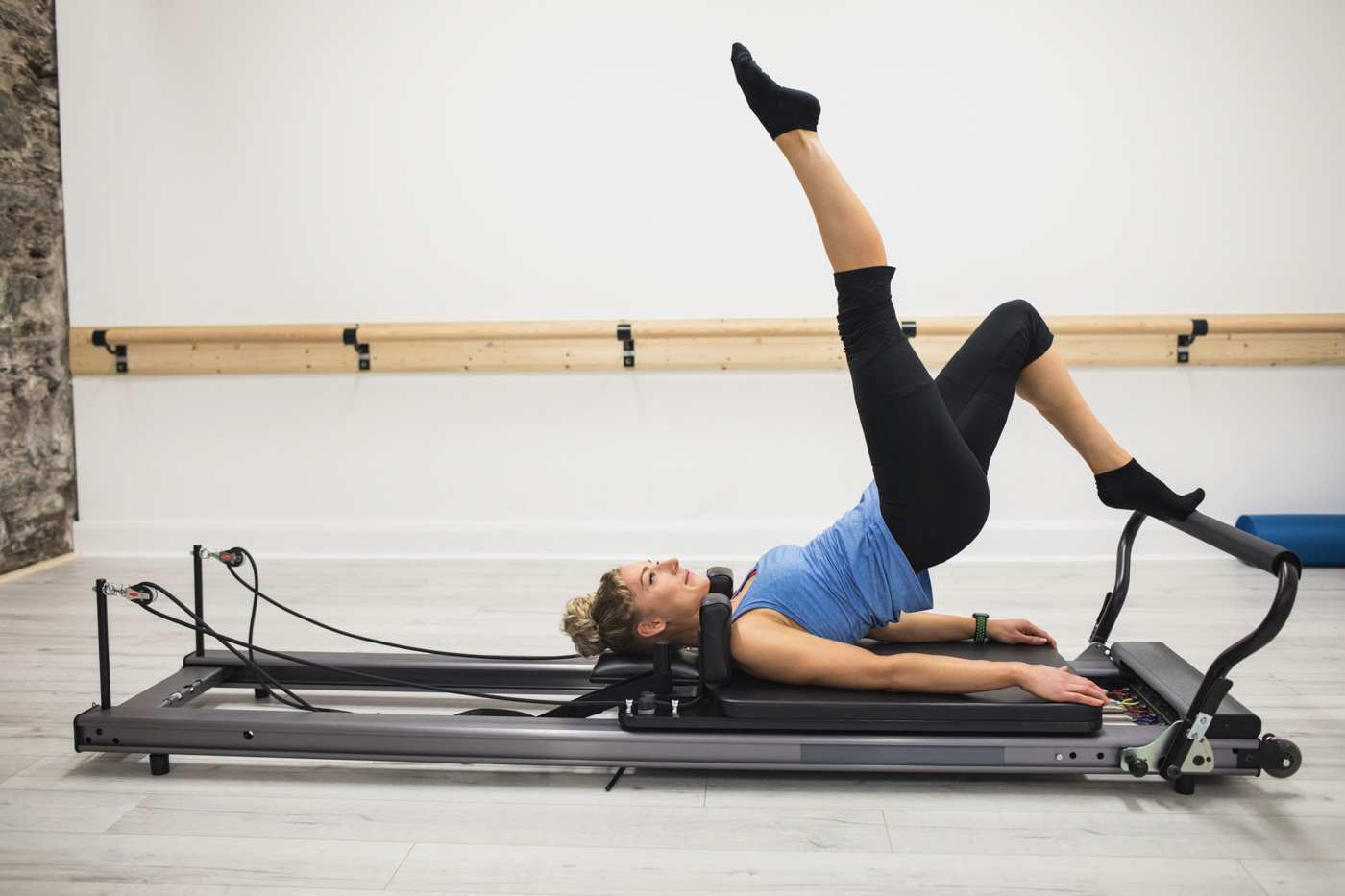
A simple rule can help: inhale to prepare or create space, and exhale during effort. For example, you may inhale to lengthen your spine before a roll-up, then exhale as you curl forward and lift. During a bridge, inhale to prepare and exhale as you press through your feet and articulate your spine upward.
That said, Pilates is not only about following one strict breathing formula. Your instructor may change the breath cue based on the goal of the exercise. The important part is keeping the breath steady rather than forcing it.
Use the Exhale to Support Effort
A long exhale can make challenging movements feel more manageable. As air leaves the body, many people naturally feel the deep abdominal muscles connect more clearly. This is why Pilates teachers often cue an exhale during the hardest part of an exercise.
Try exhaling when you:
- Lift your head and shoulders in an abdominal curl
- Extend your legs away from your body
- Rise into a bridge or side plank
- Pull straps or carriage resistance on the Reformer
- Return with control from a challenging position
Think of the exhale as support, not strain. You do not need to push every last bit of air out of your lungs. A smooth, controlled breath is more useful than a forceful one.
Do Not Rush the Inhale
In busy Miami life, it is easy to take quick, shallow breaths without noticing. That same habit can show up during exercise, especially in fast-paced classes. A rushed inhale may leave your chest tight, shoulders tense, and core disconnected.
Instead, give your inhale room. Feel the lower ribs expand sideways and toward the mat, carriage, or back of a chair. This ribcage breathing pattern can create a sense of length through the torso without losing the gentle support of the abdominals.
In a controlled Pilates workout, every repetition has a purpose. Your breath gives each movement a rhythm.
A Helpful Cue for Reformer Work
On the Reformer, imagine that your ribs are widening into the straps, shoulder blocks, or side walls of the room as you inhale. Then, as you exhale, feel your ribs gently soften inward while the carriage moves with control.
This image can be especially useful during footwork, arm work, short box exercises, and abdominal series. If you want more hands-on practice with these breath cues, explore our Reformer Pilates classes in Miami.
When Lateral Breathing Feels Difficult
Not everyone feels a full side-and-back rib expansion right away. That does not mean you are doing Pilates breathing incorrectly. It often means your body needs time, mobility, and consistent practice.
Stiffness around the upper back, tight chest muscles, stress, and long periods of sitting can limit rib movement. Even South Florida residents who stay active outdoors may spend hours driving, working at a desk, or looking down at a phone. Those habits can affect posture and breathing mechanics.
Start Smaller Than You Think
Trying too hard is one of the fastest ways to make the breath feel restricted. You do not need the ribs to dramatically move on every inhale. Begin with a subtle expansion. A small, comfortable breath is a good breath.
Practice for two or three minutes before a class, after a walk, or while waiting for dinner to cook. Place your hands around your ribcage and focus on feeling a little movement under your palms. Over time, that awareness usually becomes clearer.
Release Tension Before You Add More Effort
If your neck, jaw, or shoulders feel tight, do not try to “breathe better” by pulling your abs in harder. First, reset your body.
Let your tongue rest softly in your mouth. Unclench your jaw. Widen across your collarbones. Then take a slow inhale into the sides of your ribs. These small adjustments can make the Pilates breath technique feel much easier.
A gentle stretch class can also support better movement through the ribs, shoulders, and spine. Our Pilates Stretch classes offer a mindful way to improve mobility while building body awareness.
Know When to Seek Individual Guidance
If you feel lightheaded, experience pain with breathing, or have a history of respiratory conditions, recent surgery, pelvic floor concerns, or pregnancy-related changes, work at a comfortable pace. Stop if something feels wrong, and speak with a healthcare professional when needed.
Personalized instruction can be valuable because breath patterns are not identical for every body. An experienced instructor can help you find a level of abdominal engagement that supports you without making you feel braced or restricted.
Pilates Breathing Exercises to Practice at Home
You can strengthen your awareness of lateral breathing Pilates between studio sessions. These simple Pilates breathing exercises take only a few minutes and work well in an air-conditioned room after a humid Miami walk or before a busy workday begins.
Seated Ribcage Expansion
Sit near the front edge of a chair with both feet on the floor. Stack your head over your ribs and your ribs over your pelvis. Wrap your hands around the lower ribcage.
Inhale through your nose and feel the ribs press gently into your hands. Exhale through pursed lips and allow the ribs to narrow. Complete six slow rounds.
Keep your shoulders quiet. The movement should happen around the sides and back of the ribcage, not by lifting the chest toward your ears.
Supine Arm Reach With Breath
Lie on your back with your knees bent. Inhale as you reach both arms overhead only as far as you can without your front ribs popping up. Exhale as you bring your arms back down.
This exercise teaches you how to breathe in Pilates while your arms move, which is helpful for many mat and Reformer exercises. If your lower back arches or your neck tightens, make the movement smaller.
Tabletop Toe Taps
Bring one leg at a time to tabletop, with your knees over your hips. Inhale to prepare. Exhale as you slowly tap one set of toes to the mat, then return to tabletop. Alternate sides.
Focus on keeping the pelvis steady and the ribcage connected. Your abs should feel active, but you should still be able to breathe. If you hold your breath, reduce the range of motion or place one foot back on the floor.
Build a More Connected Pilates Practice
Effective pilates breathing is not about perfection. It is about awareness, consistency, and knowing how to reset when tension takes over. A relaxed inhale into the ribs and a steady exhale during effort can improve how your core, posture, and movement work together.
Whether you are brand new to Pilates or refining advanced exercises, breathing deserves the same attention as alignment and form. It can make a demanding class feel more focused, less rushed, and more rewarding.
At Backstage Pilates, our welcoming instructors help Miami and South Florida students build strong foundations while progressing at their own pace. For individualized coaching on lateral breathing, alignment, and technique, consider private Pilates training. Ready to put your breath into motion? View our Pilates class schedule and find a class that supports your goals.
Frequently Asked Questions
What is lateral breathing in Pilates?
Lateral breathing is a Pilates breathing technique that encourages your ribcage to expand outward and toward your back as you inhale, rather than pushing your belly forward. This allows you to take a full breath while maintaining gentle deep-core support. At Backstage Pilates, instructors use clear cues to help Miami students develop this skill safely and naturally.
Why is breathing important during Pilates exercises?
Breathing is part of the movement in Pilates, not an afterthought. A steady lateral breath can support posture, abdominal awareness, spinal and pelvic alignment, and smoother control during challenging exercises. A long exhale often helps during effort, such as an abdominal curl, bridge, plank, or Reformer leg work. It can also reduce unnecessary tension in the neck and shoulders.
How do I breathe correctly in a Pilates class?
Start by inhaling slowly through your nose and feeling the lower ribs widen into the sides and back of your body. Exhale through lightly pursed lips as your ribs soften inward and your lower abs gently engage. In many exercises, inhale to prepare or create space, then exhale during the more challenging part. Your Backstage Pilates instructor may adjust cues based on the exercise.
Should I pull my stomach in while doing Pilates breathing?
You should feel gentle abdominal support, but you should not pull your stomach in as hard as possible. Over-bracing can restrict your breath and add tension to your neck, back, or pelvic floor. Aim for light, responsive core engagement—about 20 to 30 percent effort—so you can still inhale comfortably into your ribs while moving with control.
Why do I hold my breath during difficult Pilates exercises?
Holding your breath is common when an exercise feels demanding, especially during planks, roll-ups, leg work, or Reformer resistance exercises. It can make your shoulders rise, jaw tighten, and movement feel heavier. Reset with a slow, audible exhale through pursed lips or a gentle hiss. Exhaling during effort can help you stay connected to your core without forcing the movement.
Can beginners practice Pilates breathing at home before a Miami class?
Yes. Practice for a few minutes while lying on your back with bent knees or sitting tall in a chair. Place your hands around your lower ribs, inhale to feel your hands move apart, and exhale as the ribs narrow gently. This is especially helpful after desk work, driving, or a busy South Florida day. Backstage Pilates beginner and private sessions provide personalized guidance when needed.