Choosing between mat Pilates and Reformer Pilates can feel confusing at first. This guide explains the key differences, benefits, costs, and beginner-friendly options so Miami residents can confidently choose a Pilates practice that supports their strength, mobility, posture, and wellness goals.
Mat Pilates vs Reformer: The Quick Answer for Beginners
For most people, the best place to start depends on their body, goals, and comfort level. Both mat Pilates and Reformer Pilates teach the same core principles: controlled movement, focused breathing, alignment, and deep core strength.
Mat Pilates uses your body weight, a padded mat, and sometimes small props such as resistance bands, rings, or light weights. Reformer Pilates uses a specialized machine with a moving carriage, springs, straps, and a footbar. The springs create adjustable resistance and support.
If you want a simple, accessible workout you can also practice at home, mat Pilates may be a great fit. If you prefer more guidance, variety, and adjustable resistance, reformer Pilates can be especially helpful for beginners.
There is no wrong choice. The most important factor is finding a class you enjoy enough to attend consistently. In Miami’s active wellness community, Pilates is popular because it builds strength without the pounding of high-impact workouts.
At-a-Glance Pilates Comparison
- Mat Pilates: Uses body weight; simple equipment; builds foundational control and awareness.
- Reformer Pilates: Uses spring resistance; offers support and challenge; creates many movement options.
- Best for budget-conscious beginners: Mat Pilates is usually the more affordable option.
- Best for personalized support: Reformer Pilates or a private session may feel easier to learn.
- Best overall option: The format that matches your needs and keeps you motivated.
New to the method? Explore what Pilates is before booking your first class. Understanding the basics can make your first workout feel far less intimidating.
What Is Mat Pilates?
Mat Pilates is the original, highly accessible form of the method. Instead of relying on a machine, you use gravity and your own body weight to create resistance. Movements may look small, but they require concentration. That is where the challenge begins.
A well-designed mat Pilates class targets the muscles that support everyday movement, including the abdominals, back, hips, glutes, shoulders, and pelvic floor. It can improve posture, flexibility, balance, and body awareness while helping you develop a stronger connection to your breath.
Benefits of Mat Pilates
Mat work is wonderfully portable. You can take a class at a studio, practice outdoors in South Florida’s warm weather, or complete a short routine at home when your schedule gets busy.
It also teaches valuable fundamentals. Without the moving carriage or straps of a machine, you learn how to stabilize your body from the inside out. This can help beginners recognize when they are holding tension in their neck, arching their back too much, or shifting weight unevenly.
Why Mat Pilates Can Be Challenging
Many beginners assume mat Pilates is easier because there is less equipment. In reality, body-weight exercises can be demanding. A Reformer’s springs may assist certain movements, while the mat requires you to create and control the movement independently.
For example, a slow leg lift on the mat can reveal weaknesses in the core or hip stabilizers. That is not a bad thing. It provides useful feedback and helps you build balanced strength over time.
Who Should Start With Mat Pilates?
Mat Pilates is an excellent choice for people who want a lower-cost introduction to Pilates, travelers, and anyone looking for a straightforward way to build consistency. It also works well for experienced practitioners who want to refine control without relying on equipment.
However, beginners with wrist discomfort, limited mobility, chronic pain, or difficulty getting down to and up from the floor may benefit from extra instruction. In those cases, a beginner class or one-on-one guidance can make a major difference in comfort and safety.
At Backstage Pilates, a Pilates Classic Beginners class offers a supportive environment for learning foundational movements, breathing patterns, and proper form at a comfortable pace.
What Is Reformer Pilates?
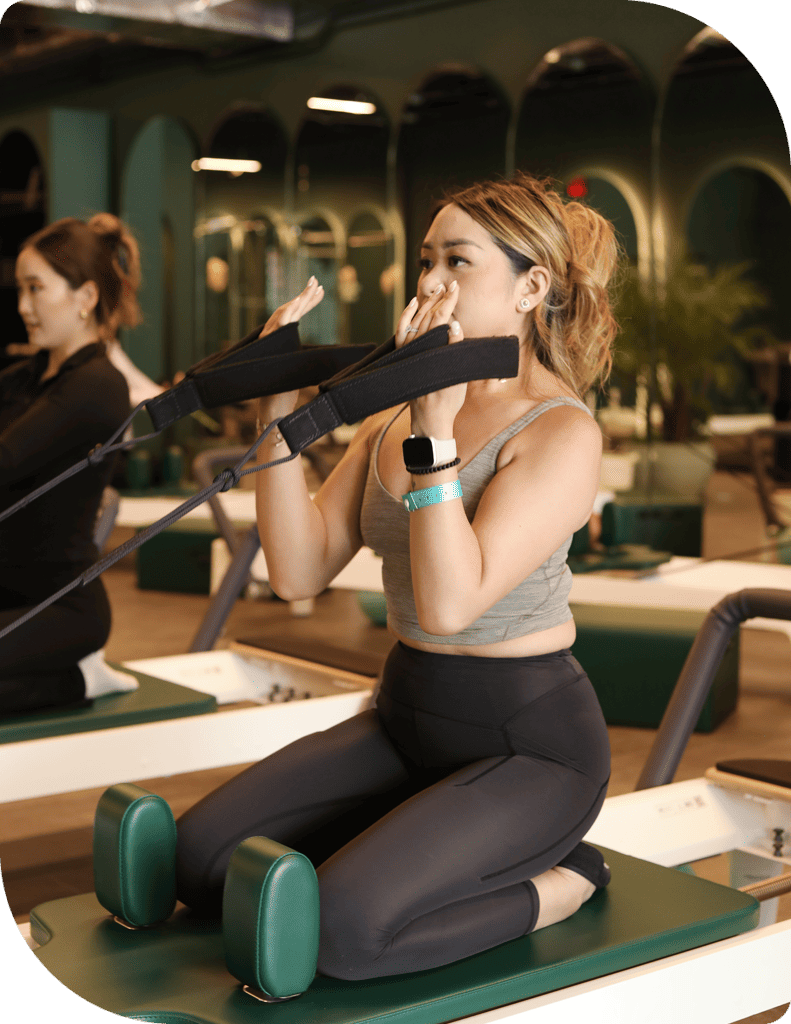
Reformer Pilates is performed on a machine called a Reformer. The carriage slides back and forth along a frame, while springs provide resistance that can be made lighter or heavier. You may lie down, sit, kneel, stand, or move through carefully coached exercises using straps and the footbar.
The equipment may look complicated at first. It is actually designed to be adaptable. A skilled instructor selects spring settings and movement variations based on the class format and your experience level.
Benefits of Reformer Pilates
Reformer Pilates offers a wide range of exercises in one workout. The springs can provide assistance when you need stability, then add resistance when you are ready to build more strength. This makes the Reformer useful for many fitness levels.
The carriage also gives clear feedback. If your body is not centered or balanced, you may notice it right away. That feedback helps you improve alignment and control with every repetition.
For Miami residents who enjoy strength training, running, cycling, tennis, or paddleboarding, Reformer work can be an effective complement. It strengthens smaller stabilizing muscles that may be overlooked in traditional gym workouts, helping support smoother, more efficient movement.
Is Reformer Pilates Easier Than Mat Pilates?
Not necessarily. Reformer Pilates can feel more approachable because the equipment supports your body and the instructor can adjust resistance. Yet it can also become very challenging as springs, pace, balance demands, and exercise variations progress.
Think of the Reformer as adaptable rather than easy. It can meet you where you are today and continue challenging you as you grow stronger.
Who Should Start With Reformer Pilates?
Reformer Pilates is ideal for beginners who want hands-on coaching, variety, and adjustable resistance. It may also be a smart starting point for people returning to movement after time away, provided they receive appropriate guidance from a qualified instructor.
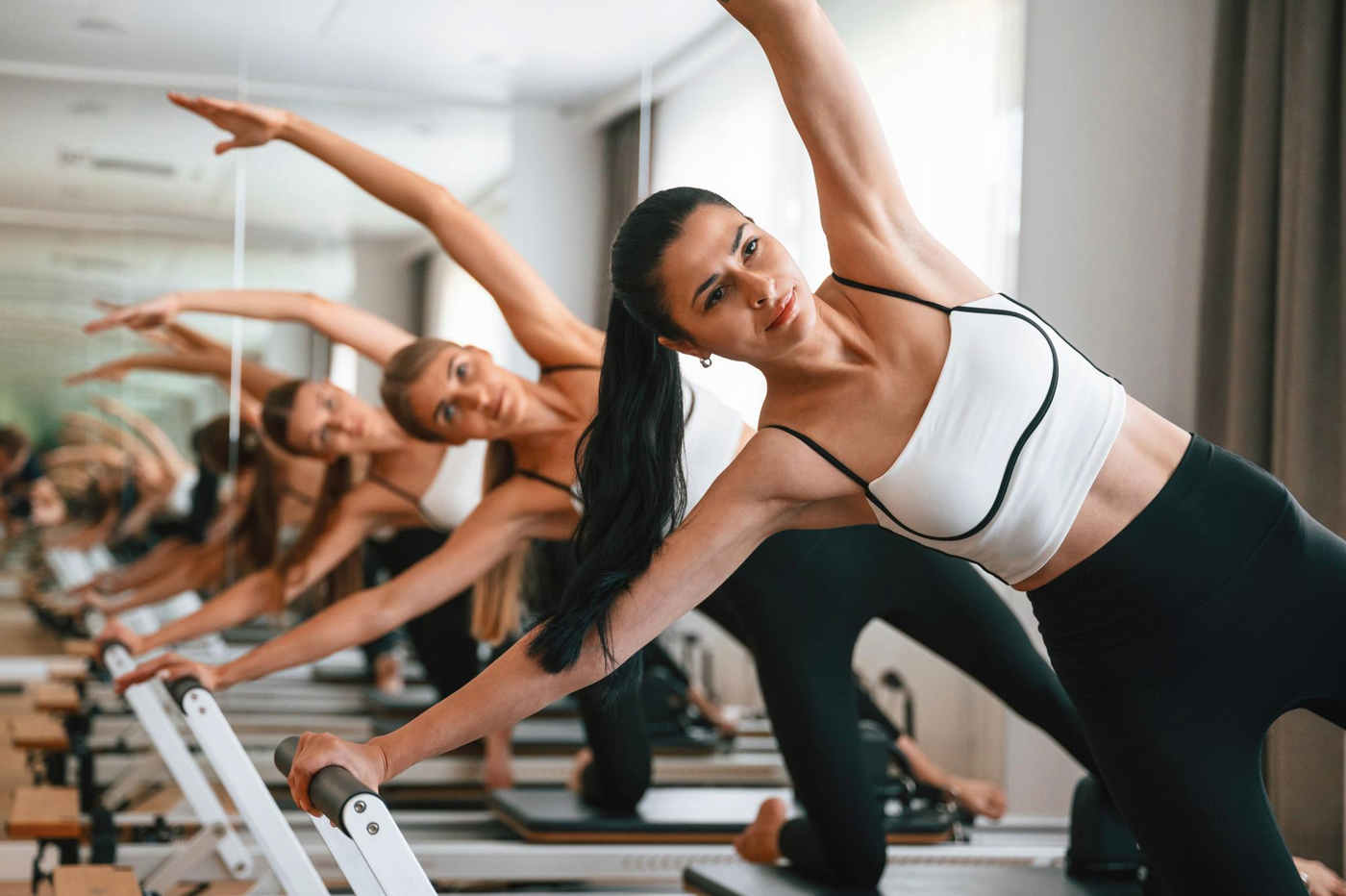
Those interested in a machine-based workout can learn more about Reformer Pilates classes at Backstage Pilates. Small-group instruction helps create an encouraging, focused experience without losing the energy of a shared class.
How to Choose Between the Types of Pilates
When comparing the types of Pilates, start with your personal goals rather than following a trend. Both formats can improve strength, posture, mobility, and confidence. The right fit is the one that supports your current lifestyle.
Choose Mat Pilates If You Want Simplicity
Mat Pilates may be your best option if you want a low-equipment workout, enjoy body-weight training, or need something you can repeat outside the studio. It is also a strong choice for learning the Pilates principles that carry over into every other format.
Choose Reformer Pilates If You Want More Support and Variety
Choose reformer Pilates if you enjoy equipment-based training, want spring resistance, or appreciate detailed alignment feedback. The Reformer can make certain movements feel more supported while offering endless ways to progress.
Consider Private Pilates for Specific Goals
If you have an injury history, are pregnant or postpartum, feel nervous in a group setting, or have a very specific goal, private instruction may be the best first step. Private Pilates training gives you individualized attention and a program tailored to your movement needs.
Whether you begin on the mat or the Reformer, focus on quality over intensity. Move slowly. Ask questions. Listen to your body. With consistent practice, Pilates for beginners can become a lasting part of a strong, balanced Miami lifestyle.
Cost, Convenience, and Long-Term Value
Cost is often part of the mat Pilates vs reformer decision, especially for beginners who are still exploring what they enjoy. Mat Pilates typically costs less because it requires minimal equipment and can accommodate larger groups. It is also easy to practice at home with a quality mat and a little open floor space.
Reformer Pilates generally has a higher price point. The equipment is specialized, classes are often smaller, and instructors must provide detailed setup and safety guidance. Still, many people find the investment worthwhile because of the personalized feel, adjustable resistance, and variety built into each session.
Think Beyond the Price Per Class
Instead of choosing based only on the single-class price, consider what will help you stay consistent. A workout that feels enjoyable, convenient, and supportive is more likely to become part of your routine.
For example, a Miami professional with a packed schedule may prefer a scheduled Reformer class because it creates accountability. Someone who travels often or wants an affordable home practice may get more value from mat Pilates. Both choices can support meaningful progress.
Making Pilates Work With a Miami Lifestyle
South Florida offers year-round opportunities to move, from beach walks and cycling to tennis and strength training. Pilates can fit naturally into that active lifestyle. Mat sessions are easy to add after a run or outdoor workout, while air-conditioned Reformer classes offer a welcome indoor reset during Miami’s hottest and most humid months.
Many people also combine the two. They might attend Reformer Pilates once or twice a week for coaching and resistance work, then practice mat Pilates at home for 15 to 20 minutes between classes. This balanced approach builds consistency without making fitness feel complicated.
What to Expect in Your First Pilates Class
Your first Pilates class should feel challenging but manageable. You do not need to be flexible, athletic, or experienced to begin. Pilates for beginners is designed to help you learn one movement at a time.
In a mat class, you may start by learning how to find a neutral spine, engage your deep abdominal muscles, and coordinate movement with your breath. Expect controlled exercises such as bridges, toe taps, side-lying leg work, and gentle spinal mobility drills.
In a Reformer Pilates class, your instructor will explain the machine before you begin. They will show you how to use the footbar, straps, carriage, and springs safely. Most beginners quickly realize that the equipment is less intimidating once they understand its purpose.
Practical Tips for a Better First Experience
- Wear comfortable, fitted activewear that allows your instructor to see your alignment.
- Bring grip socks if your studio requires them, and carry water for before or after class.
- Arrive early so you have time to share injuries, limitations, or concerns with your instructor.
- Focus on precision, not speed. Small movements can create a strong workout.
- Do not compare yourself to other students. Every body learns Pilates differently.
Communication matters. Let your instructor know if you have lower-back pain, shoulder sensitivity, recent surgery, dizziness, pregnancy, or any movement restrictions. They can offer modifications that help you participate with greater confidence.
If you are unsure about class formats, review the studio’s beginner’s guide to Pilates before your visit. A little preparation can help you walk in feeling calm, informed, and ready to move.
How Often Should Beginners Do Mat or Reformer Pilates?
For most beginners, two Pilates sessions per week is an excellent starting point. This frequency gives your body time to learn the movements, recover, and gradually build strength. One weekly class can still be beneficial, particularly if you add short walks, stretching, or a home mat routine.
After several weeks, many people notice improved posture, better core awareness, and easier movement during daily activities. Results vary, of course. Consistency, sleep, stress levels, and other exercise habits all play a role.
Progress at Your Own Pace
Do not rush into advanced exercises just because they look exciting online. Pilates is built on control. A strong foundation in breathing, alignment, and core stability makes advanced work safer and more rewarding later.
Experienced exercisers sometimes underestimate this. A person who lifts heavy weights or runs long distances may still find slow Pilates work surprisingly demanding. That is normal. The method challenges coordination and stabilizing muscles in a different way.
As you gain confidence, explore different class styles and intensity levels. You may enjoy a classic beginner format first, then progress to stronger Reformer sessions, stretch-focused classes, or private training. Check the Backstage Pilates class schedule to find a time that makes consistent movement realistic.
The Best Choice Is the One You Will Keep Doing
When it comes to mat Pilates vs reformer, neither format is automatically better. Mat Pilates offers simplicity, portability, and powerful body-weight strength. Reformer Pilates provides spring resistance, support, variety, and detailed feedback. Both can help improve mobility, posture, balance, and total-body control.
Start where you feel comfortable. Stay curious. Give yourself time to learn.
Whether you are new to fitness, returning after a break, or looking to enhance your current Miami wellness routine, Backstage Pilates offers a welcoming place to build strength with intention. Book a class, ask questions, and discover which type of Pilates makes you feel your best.