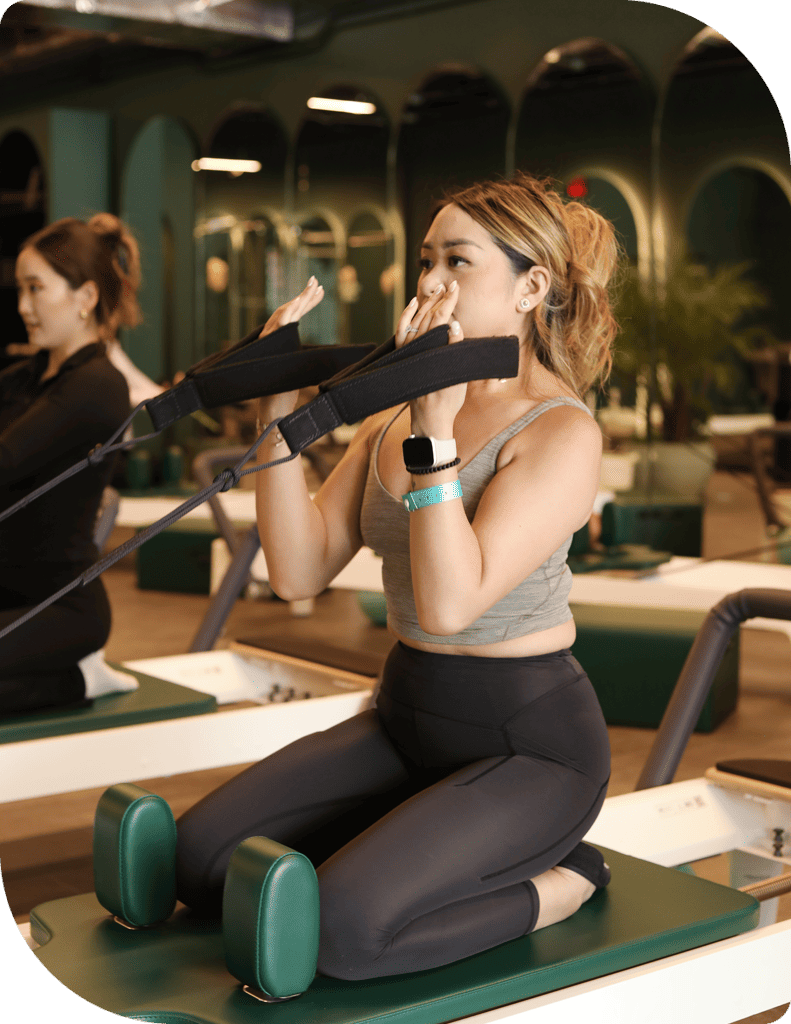
Discover how Pilates builds flexibility and mobility safely over time. Learn why controlled movement, core strength, and consistent Pilates stretching can improve your range of motion, support an active Miami lifestyle, and help your body feel more comfortable in daily life.
How Pilates Flexibility Develops Over Time
Many people start Pilates because they want to feel less stiff. They may notice tight hips after long workdays, sore shoulders from stress, or hamstrings that seem to pull during every forward bend. Pilates flexibility is not about forcing your body into the deepest stretch possible. It is about creating comfortable, usable movement that improves gradually.
Flexibility is the ability of a muscle to lengthen. Mobility is slightly different: it is the ability of a joint to move freely with control. Pilates trains both. Rather than holding long, passive stretches only, mobility Pilates uses mindful movement, breathing, alignment, and strength to help your body access a healthier range.
This matters for Miami residents who enjoy walking on the beach, paddleboarding, tennis, cycling, strength training, or simply staying active year-round. An active lifestyle can feel even better when your hips, spine, ankles, and shoulders move well.
Why slow progress is the best progress
Real flexibility training takes consistency. Connective tissues, muscles, and the nervous system all need time to adapt. You may feel lighter after one class, but lasting changes in your Pilates range of motion usually develop over weeks and months.
At first, your body may resist a movement because it feels unfamiliar. With repeated practice, your nervous system learns that the movement is safe. Your muscles can relax more easily, and your control improves. That is when deeper, more natural movement becomes possible.
Small wins count. Reaching toward your toes with less strain, rotating your torso more comfortably while driving, or lifting your arms overhead without pinching are meaningful improvements.
Strength supports flexibility
A flexible body still needs stability. If you can move into a large range but cannot control it, that range may not be useful or safe. Pilates builds core strength, glute strength, and shoulder stability while encouraging length through the muscles.
For example, a controlled leg circle strengthens the hip while exploring hip movement. A bridge activates the glutes and opens the front of the hips. Spine articulation exercises build awareness through the back without asking you to push past your limits.
This blend of strength and length is one reason Reformer Pilates classes can be so effective. The Reformer’s springs provide resistance, support, and feedback, helping you move with better alignment instead of relying on momentum.
What Makes Pilates Stretching Different?
Pilates stretching is active, intentional, and connected to the breath. Instead of dropping into a stretch and hoping for results, you learn how to position your pelvis, ribs, shoulders, and spine so the right areas can release.
Good form changes everything.
Breathing helps muscles let go
Breathing is a key part of Pilates flexibility. A slow inhale can prepare your body for movement. A long exhale can help reduce unnecessary tension, especially around the neck, shoulders, hips, and lower back.
Try this simple approach during a hamstring stretch: inhale to lengthen through the top of your head, then exhale as you gently extend your leg or fold forward. Do not pull aggressively. Think about creating space rather than chasing a position.
When breathing becomes shallow, the body often braces. When it becomes steady, your movement can become smoother and more efficient.
Alignment protects your joints
Stretching without alignment can place stress in the wrong areas. For instance, if your lower back rounds excessively during a hamstring stretch, you may feel discomfort in your spine instead of length through the back of your legs.
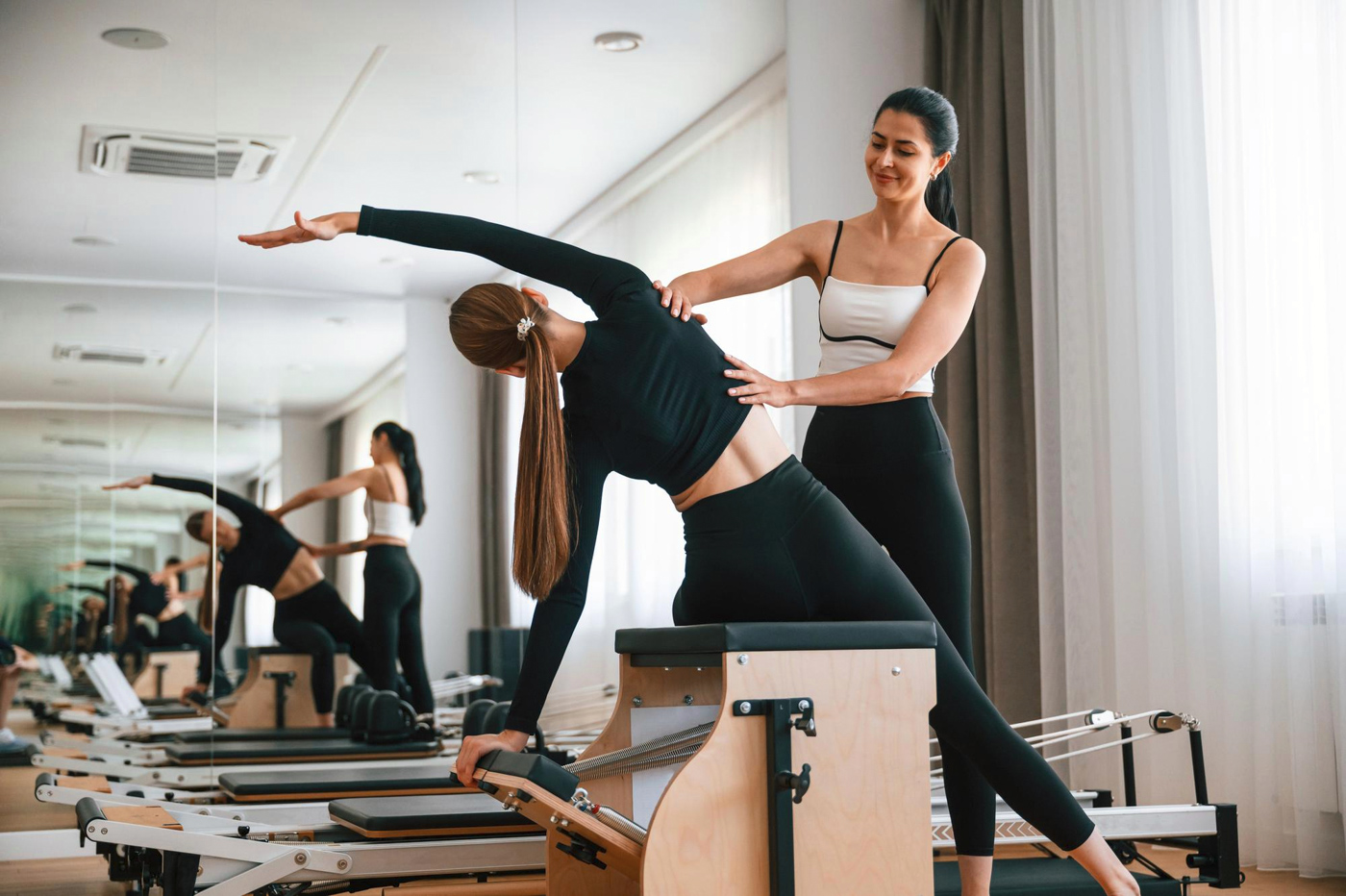
Pilates instructors use precise cues to help you find the intended work. You may be asked to soften your ribs, keep your pelvis level, engage your abdominals gently, or relax your jaw. These details may seem small, but they support better mobility and long-term comfort.
If you are new to the method, Pilates classes for beginners are an excellent place to learn these foundations. Starting with the basics is not a limitation; it is how you build a body that moves with confidence.
Active versus passive stretching
Passive stretching means using an outside force, such as gravity, a strap, or another person, to hold a position. It can feel relaxing, but it does not always teach control.
Active stretching uses your own muscles to support the movement. In Pilates, you may lift one leg while keeping your pelvis steady, or reach your arm overhead while stabilizing your ribs. This type of flexibility training improves coordination along with length.
Key Areas Where Mobility Pilates Can Help
Every body is different, but most people experience tightness in a few common areas. A balanced Pilates practice addresses these patterns without treating the body as separate parts.
Hips and hamstrings
Sitting, driving, and intense workouts can make the hips feel restricted. Pilates movements such as bridges, lunges, leg circles, and controlled hip openings can improve mobility around the hip joint while strengthening the muscles that support it.
Hamstrings also benefit from regular movement. Rather than repeatedly forcing a toe touch, Pilates encourages you to stabilize your pelvis and lengthen the legs with control. Over time, this can improve your Pilates range of motion in daily activities like bending, climbing stairs, and walking.
Spine and upper back
Your spine is designed to move. It can flex, extend, rotate, and bend side to side. Modern routines often limit these movements, especially for people working at desks or spending long hours on phones.
Pilates includes gentle spinal articulation and rotation exercises that help restore movement without harsh impact. Better upper-back mobility may also make it easier to sit taller, breathe more fully, and reduce the feeling of rounded shoulders.
Shoulders and chest
Tight chest muscles and weak upper-back muscles often appear together. Pilates helps open the front of the body while building support around the shoulder blades. The goal is not to force the shoulders backward. It is to create balanced movement so your arms can reach, lift, and carry with less tension.
For a dedicated recovery-focused practice, explore a Pilates stretch class. It can be a smart complement to running, weight training, cycling, or a busy South Florida schedule.
Practical Tips for Improving Flexibility Safely
Consistency beats intensity. Two or three thoughtful sessions each week can be more helpful than one exhausting workout followed by several inactive days.
Create a sustainable weekly routine
Start with classes that match your experience and energy level. On other days, take short movement breaks. Five minutes of gentle spinal rotation, hip mobility, and shoulder circles can make a real difference when done regularly.
For Miami professionals, this may mean moving before work, taking a midday class, or using an evening session to reset after traffic and screen time. Pilates fits into real life because it can be adapted to many schedules and fitness levels.
Use these simple flexibility habits
- Warm up before deeper stretches, especially after sitting.
- Move slowly enough to notice where you are holding tension.
- Exhale during effort instead of holding your breath.
- Avoid bouncing or pushing through sharp pain.
- Balance stretching with strengthening exercises.
- Drink water, particularly in Miami’s warm, humid climate.
The best Pilates stretch benefits come from patience and quality instruction. You do not need to be naturally flexible to begin. In fact, many people start Pilates because they are not flexible and want a safe, structured way to change that.
Private guidance can also be valuable if you are returning from an injury, managing significant stiffness, or working toward a specific goal. Private Pilates training gives you individualized attention, helping you build mobility at a pace that feels right for your body.
With regular practice, Pilates flexibility becomes more than a deeper stretch. It becomes the freedom to move through your day with greater ease, strength, and confidence.
How Often Should You Practice Pilates for Better Mobility?
For most people, two to three Pilates sessions per week is a strong starting point for improving flexibility and mobility. This gives your body enough repetition to learn new movement patterns without overwhelming your muscles or joints.
More is not always better. A daily hard stretch routine may leave you feeling sore, guarded, or frustrated. Consistent, well-paced mobility Pilates is usually more effective than occasional intense workouts.
Build consistency before increasing intensity
If you are new to Pilates, begin with one or two classes per week and pay attention to how your body responds. You may feel muscles working in places you have not used much before, especially around the deep core, hips, and upper back.
As your strength and body awareness improve, you can add another class or short mobility session at home. The goal is to create a routine you can maintain through busy workweeks, travel, and Miami’s active social calendar.
A regular class schedule also gives instructors the chance to see your progress and offer helpful adjustments over time. Browse the Pilates class options at Backstage Pilates to find a format that supports your current fitness level and mobility goals.
Pair Pilates with your favorite Miami activities
Pilates flexibility can support almost any movement you enjoy. Runners often benefit from stronger hips and better ankle mobility. Tennis and pickleball players may appreciate improved rotation through the spine. People who lift weights can use Pilates stretching to improve control, recovery, and posture.
Even a relaxed walk through Coconut Grove, a beach day, or paddleboarding in Biscayne Bay can feel better when your body moves with less restriction.
Think of Pilates as the movement foundation beneath your other activities. It helps you build strength without losing range, while also improving how your joints and muscles work together.
How to Tell Whether Your Flexibility Is Improving
Progress does not always look like a dramatic split or a perfect forward fold. In fact, the most valuable improvements are often the ones you notice outside the studio.
Look for everyday changes
Your Pilates range of motion may be improving if you can reach for a high shelf more comfortably, turn your head while backing up your car, or sit at your desk with less neck tension. You may also notice that squatting, climbing stairs, and getting up from the floor feels easier.
These functional changes matter because they show that your flexibility training is becoming useful in real life.
Other signs of progress include:
- Less pulling or stiffness when you first get out of bed.
- Better balance during single-leg movements.
- More control when bending, twisting, or reaching.
- Improved posture without constantly forcing yourself upright.
- Faster recovery after workouts or long days of sitting.
- Greater confidence trying movements that once felt difficult.
Measure comfort, not just depth
It is easy to judge flexibility by how far you can move. But deeper is not automatically better. A healthy range of motion should feel stable, smooth, and free of sharp pain.
For example, being able to lift your leg higher is useful only if your pelvis and lower back can stay supported. The same idea applies to shoulder movement, spinal rotation, and hip opening. Pilates teaches you to notice the difference between a controlled stretch and a position your body is simply tolerating.
Keep a simple mobility journal
Once a month, write down a few observations. Notice how your hips feel after a long drive, whether you can sit cross-legged more comfortably, or how easily you can rotate through your upper body. Small notes can reveal meaningful progress that is easy to miss day to day.
You can also ask an instructor to help you identify movement goals. A person training for a race may need a different focus than someone working at a computer or returning to exercise after a break.
Common Flexibility Mistakes to Avoid
Flexibility is not a competition. Trying to match another person’s position can lead to unnecessary strain, particularly in a group fitness setting where every body has a different structure and history.
Do not force a stretch
Sharp, pinching, numb, or burning sensations are signals to stop and adjust. Mild muscle effort or a gentle stretching sensation can be normal, but pain is not a sign that the exercise is working.
Instead of pushing harder, reduce the range, bend your knees, use a lighter spring setting, or ask for a modification. This approach is especially important for people with past injuries, hypermobility, joint concerns, or pregnancy-related changes.
Avoid skipping strength work
Stretching alone may provide temporary relief, but it does not always solve the reason an area feels tight. Sometimes a muscle holds tension because it is trying to create stability.
That is why mobility Pilates includes strengthening work for the core, glutes, back, and shoulders. A stronger body often feels more open because it no longer needs to brace as much during movement.
Experienced students who want a more challenging balance of strength, control, and mobility may enjoy intermediate Pilates classes. Progressing gradually helps you explore a larger range while maintaining excellent form.
Do not ignore recovery
Miami’s year-round sunshine makes it easy to stay active, but recovery still matters. Between heated walks, outdoor workouts, and busy days, your body needs hydration, sleep, nourishing meals, and lower-intensity movement.
On recovery days, try a few minutes of gentle Pilates stretching rather than staying completely still. Easy cat-cow movements, supported hip stretches, shoulder rolls, and calm breathing can help your body reset without turning rest into another demanding workout.
Make Mobility a Long-Term Part of Your Wellness Routine
Lasting flexibility is built through regular attention, not quick fixes. Pilates gives you a practical system for moving better at every stage of life, whether you are a complete beginner, a dedicated athlete, or someone who simply wants to feel more comfortable in your body.
The best Pilates stretch benefits go beyond looser muscles. With time, you may develop better posture, stronger movement habits, improved body awareness, and more confidence in the way you exercise and live.
Choose guidance that meets you where you are
A welcoming studio environment can make a major difference, especially when you are working on movement limitations or returning after time away from fitness. Skilled instruction helps ensure that flexibility training is specific to your needs rather than based on one-size-fits-all advice.
At Backstage Pilates, classes are designed to help Miami and South Florida residents build mobility, strength, and control in a supportive setting. Air-conditioned studio sessions can be an ideal reset from the heat while still giving your body the movement it needs.
If you are ready to improve your Pilates flexibility with thoughtful, expert-led movement, book a Pilates class in Miami and start building a stronger, more mobile body one session at a time.
Frequently Asked Questions
How long does it take to improve flexibility with Pilates?
Many people feel lighter or less stiff after a Pilates class, but lasting flexibility and mobility changes usually develop over weeks and months. Consistent practice helps your muscles, connective tissues, and nervous system adapt gradually. At Backstage Pilates, we focus on controlled movement and quality form, so you can build comfortable range of motion without forcing stretches or rushing progress.
Can beginners take Pilates classes if they are not flexible?
Yes. You do not need to be flexible to start Pilates. Many clients come to Backstage Pilates because of tight hips, hamstrings, shoulders, or a stiff back from work and daily life. Beginner Pilates classes teach breathing, alignment, gentle core engagement, and controlled movement. These foundations help you improve flexibility safely while building the strength needed to support it.
How often should I do Pilates to improve mobility and flexibility?
Two or three thoughtful Pilates sessions per week can be more helpful than one intense workout followed by several inactive days. Consistency matters more than pushing too hard. On non-class days, short movement breaks with gentle spinal rotation, hip mobility, and shoulder circles can help. This routine works well for active Miami residents balancing work, traffic, beach activities, sports, and year-round fitness.
What is the difference between flexibility and mobility in Pilates?
Flexibility is a muscle’s ability to lengthen, while mobility is a joint’s ability to move freely with control. Pilates trains both by combining mindful movement, breathing, alignment, and strength. Instead of only holding passive stretches, mobility Pilates helps you access a healthier range of motion that you can control. This makes movement more useful for walking, cycling, tennis, strength training, and everyday tasks.
How can Reformer Pilates help tight hips, hamstrings, and shoulders?
Reformer Pilates uses spring resistance to provide support, feedback, and challenge while you move with control. Exercises such as bridges, leg circles, and supported shoulder work can improve mobility while strengthening the muscles around your hips, core, and shoulder blades. This balance helps you create length without losing stability. Better alignment may also help reduce the tension that builds from sitting, driving, and screen time.
Should I choose private Pilates training for stiffness or limited mobility?
Private Pilates training can be a helpful choice if you are returning from an injury, managing significant stiffness, or working toward a specific mobility goal. At Backstage Pilates, individualized guidance allows you to move at a pace that feels right for your body while receiving detailed alignment cues. You can learn how to stabilize, breathe, and stretch without pushing into sharp pain or uncomfortable positions.