Choosing a Pilates teacher certification can feel overwhelming. This guide compares major program types, training formats, time commitments, and career goals so aspiring instructors in Miami and South Florida can choose a path that supports confident, safe, and rewarding teaching.
Understanding the Main Types of Pilates Teacher Certification
A Pilates teacher certification is professional education that prepares you to lead clients through Pilates exercises safely, clearly, and effectively. However, not every program teaches the same method, uses the same equipment, or requires the same number of training hours.
The best choice depends on your goals. Do you want to teach group Reformer classes in Miami? Are you interested in private clients, rehabilitation-focused work, or classical Pilates? Start by understanding the most common program types.
Mat Pilates Certification
Mat certification is usually the most accessible entry point. It focuses on Pilates exercises performed on a mat, often using small props such as rings, bands, balls, and light weights.
Many mat-focused programs take a few weekends to several months. They are often less expensive than equipment training and can be a smart fit for fitness professionals, yoga teachers, dancers, or people who want to teach in gyms, parks, apartment buildings, and virtual settings.
Still, mat training has limits. A mat-only pilates certification course may not prepare you to teach the Reformer, Cadillac, chair, or barrels. Since Reformer workouts are especially popular in South Florida studios, aspiring instructors should consider whether mat training alone supports their long-term career plan.
Before enrolling, spend time taking quality classes yourself. Backstage Pilates offers Pilates classes for beginners that can help you experience foundational movement, breathing, control, and alignment before committing to instructor education.
Reformer Pilates Certification
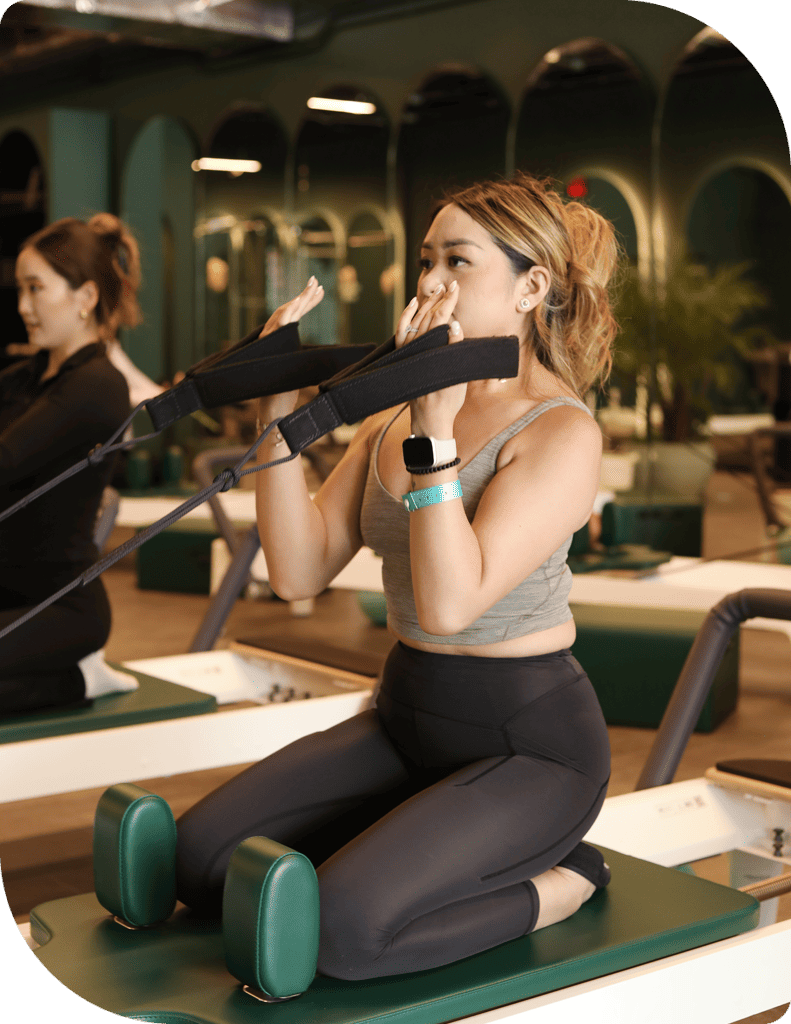
A Reformer-focused certification teaches instructors how to use the moving carriage, springs, straps, footbar, and other features of the Pilates Reformer. This equipment creates resistance and support, making it useful for both challenging athletic workouts and controlled modifications.
For many Miami instructors, Reformer training is highly practical. Boutique fitness clients often look for low-impact, full-body movement that improves strength, posture, mobility, and core control without the repetitive impact of running or heavy lifting.
However, a Reformer certification can vary greatly from one school to another. Some programs teach a limited group-class repertoire. Others include detailed training on private sessions, injury considerations, cueing, spring selection, and progression planning.
If your goal is to work with a broad range of clients, look for a program with supervised practice teaching and anatomy education. Great instructors do more than demonstrate exercises. They observe bodies, adjust language, manage equipment safely, and create a supportive room culture.
What Is Comprehensive Pilates Training?
Comprehensive Pilates training is the most extensive path for aspiring instructors. It usually covers mat work plus major Pilates apparatus, including the Reformer, Cadillac or tower, Wunda chair, spine corrector, ladder barrel, and other small equipment.
These programs generally require hundreds of hours. The time may include lectures, anatomy, self-practice, observation, student teaching, written exams, and practical teaching assessments. It is a serious investment. It can also build a deeper, more flexible career foundation.
Who Benefits Most From a Comprehensive Program?
A comprehensive pilates teacher program can be an excellent fit for people who want to teach private sessions, work in a full-service studio, or support clients with varied needs and experience levels.
For example, one client may be a former athlete rebuilding stability after a break from training. Another may be prenatal, managing lower-back discomfort, or learning how to move with better control after years at a desk. Comprehensive education gives instructors more tools to adapt exercises without losing the purpose of the workout.
This level of study also supports a strong understanding of how Pilates equipment works together. The Reformer is valuable, but it is only one part of the larger Pilates system. Learning multiple apparatus helps instructors create creative, appropriate, and progressive sessions.
Key Questions to Ask a Comprehensive Program
- How many total hours are required?
- Does the curriculum include functional anatomy and movement assessment?
- How much in-person practice teaching is required?
- Are mentorship and instructor feedback included?
- Does the program prepare graduates for a recognized certification exam?
- Can you observe or assist classes while training?
Do not choose based on hours alone. A longer program is not automatically better if feedback is limited. Look for skilled educator support, clear safety standards, and opportunities to practice teaching real people.
Certification Comparison: Classical, Contemporary, and Fitness-Based Programs
A thoughtful certification comparison should look beyond price and schedule. Teaching philosophy matters because it shapes the exercises you learn, the way you cue clients, and the types of studios where you may feel most at home.
Classical Pilates Programs
Classical programs closely follow the original Pilates system and its traditional exercise order. They often place strong emphasis on precision, flow, control, and established apparatus settings. Instructors may learn a structured sequence that becomes more advanced as a client develops strength and skill.
This approach appeals to people who enjoy tradition, detail, and a clear progression. It can provide a strong technical base. Yet instructors should make sure their education also addresses modern client needs, varied body types, and appropriate modifications.
Contemporary Pilates Programs
Contemporary programs may combine Pilates principles with current exercise science, biomechanics, and functional movement knowledge. They often offer more flexibility in sequencing and programming while still respecting core Pilates concepts such as breath, concentration, alignment, and control.
For a diverse Miami community, contemporary training can be especially useful. South Florida clients range from busy professionals and active older adults to runners, golfers, new parents, and people simply looking for a smart way to feel better in their bodies.
Neither approach is automatically superior. The strongest Pilates certification is one that teaches clear principles, safe progressions, practical anatomy, and respectful client-centered instruction.
Fitness-Based or Short-Format Courses
Some short courses are designed for already-certified personal trainers or group fitness instructors. They can be useful for adding basic Pilates-inspired movement to an existing fitness career.
However, these programs may not offer the depth needed to call yourself a fully trained Pilates instructor or to lead advanced equipment sessions. Read the curriculum carefully. Ask exactly what you will be qualified to teach after graduation.
At a professional studio, clients expect knowledgeable instruction and careful attention. Watching experienced teachers can clarify that standard. Explore the team behind our Miami Pilates instructors to see why continued education, presence, and thoughtful coaching matter.
How to Choose the Right Pilates Certification Course in Miami
Miami’s wellness scene moves fast. Clients want workouts that are effective, welcoming, and enjoyable, but they also value instructors who understand form and safety. Choose a pilates certification course that prepares you for the real work of teaching, not simply passing an exam.
Match the Program to Your Career Goal
If you want to lead occasional mat classes, a foundational mat certification may be enough. If you dream of teaching dynamic group equipment classes, prioritize Reformer education. If you see yourself building a long-term career with private clients and specialized programming, comprehensive Pilates training is often the wiser route.
It also helps to consider where you want to work. Boutique studios may have specific training expectations, while gyms may accept different credentials. Contact studios you admire and ask what certifications they recognize before making a financial commitment.
Get Experience Before You Enroll
Take classes with different instructors. Notice how each teacher explains movement, offers modifications, and keeps the class flowing. Try a Reformer Pilates class to understand the equipment, pace, and focused energy that clients enjoy.
Private instruction can be equally valuable. A few private Pilates sessions may deepen your personal practice and reveal areas you want to study further, from posture and core connection to mobility and athletic performance.
The right Pilates teacher certification should make you a more confident mover first, then a more capable guide for others. Choose education that challenges you, gives you hands-on support, and helps you bring healthier movement to the Miami community.
Program Requirements, Costs, and Time Commitment
Before choosing a Pilates certification, review the full commitment—not just the tuition price. A quality program requires time, consistent practice, and energy. This is especially important for Miami residents balancing work, family, school, or an active South Florida lifestyle.
Typical Pilates Certification Hours
Program length depends on the type of education you choose. Mat training may range from 20 to 100 hours, while a Reformer-focused program may require 100 to 250 hours. A comprehensive Pilates training program often includes 400 to 600 or more hours.
Those hours are usually divided among several learning areas:
- In-person or live virtual training sessions
- Personal Pilates practice
- Observation of experienced instructors
- Practice teaching with classmates or clients
- Anatomy, biomechanics, and injury-prevention lessons
- Written and practical exams
More hours do not simply mean more exercises. They give you time to understand why an exercise works, when to modify it, and how to teach it to different bodies. That experience matters when a client has tight hips, shoulder limitations, knee discomfort, pregnancy concerns, or no previous fitness background.
Understanding Tuition and Extra Expenses
A Pilates teacher program can be a meaningful financial investment. Short-format mat courses may cost a few hundred dollars, while comprehensive certifications can cost several thousand dollars. Some schools offer payment plans, but always ask what is included before enrolling.
For example, tuition may not include manuals, exam fees, required practice sessions, insurance, continuing education, or studio rental for practice teaching. You may also need comfortable teaching clothes, a CPR certification, and access to Pilates equipment outside training weekends.
Build a realistic budget. A lower-cost course can be valuable if it matches your goals, but an inexpensive program with little mentorship may cost more later if you need additional training to qualify for the jobs you want.
Questions to Ask Before Paying a Deposit
- Is the final exam included in the listed tuition?
- Are observation and student-teaching hours easy to complete locally?
- Can training be completed around a full-time job?
- What happens if you miss a training weekend?
- Is there a refund, transfer, or payment-plan policy?
- Will you have equipment access for regular practice?
Miami’s year-round wellness culture creates many opportunities to practice, but hands-on studio time is still essential. Taking regular classes helps you feel the work in your own body and understand the client experience from check-in through cooldown.
How to Evaluate the Quality of a Pilates Teacher Program
The best Pilates teacher certification combines strong curriculum with experienced guidance. You should leave training able to teach safely, communicate clearly, and keep learning long after graduation.
Look for Anatomy, Safety, and Practical Teaching Skills
Knowing the name of an exercise is not enough. A well-designed Pilates certification course teaches functional anatomy in simple, usable terms. You should learn how the spine, hips, shoulders, knees, breath, and core work together during movement.
Good programs also teach contraindications. This means recognizing when an exercise may not be appropriate for a client and knowing how to offer a safer alternative. Instructors are not medical providers, but they should understand professional boundaries and refer clients to qualified healthcare professionals when needed.
Practical teaching is just as important. You need repeated opportunities to cue, demonstrate, observe, correct, and manage a class. Teaching is a skill. It improves through feedback, not by memorizing a manual alone.
Consider Instructor Mentorship and Studio Culture
Ask who will teach the training and how accessible they are between modules. Experienced teacher trainers should be able to explain movement in more than one way. Every client learns differently.
Some people respond to visual demonstrations. Others need a tactile cue, a clear image, or a simple instruction such as, “Press evenly through both feet.” A thoughtful mentor helps future instructors develop this flexibility.
Studio culture matters, too. The Miami Pilates community is diverse, energetic, and welcoming when it is at its best. A strong certification environment should make room for questions, different learning styles, and varied body types. It should never make students feel that Pilates is only for advanced athletes or naturally flexible people.
Visiting a studio can help you understand what excellent instruction feels like. Explore Pilates classes in Miami to see the range of class formats and supportive coaching that clients may expect from a professional instructor.
Building a Pilates Career After Certification
Graduating from a Pilates certification course is a major milestone. It is also the beginning. New instructors grow fastest when they continue practicing, observing, and teaching a wide range of clients.
Choose a Starting Path That Fits Your Strengths
Many instructors begin by teaching group mat or Reformer sessions. This can build confidence, improve verbal cueing, and teach you how to manage class pacing. Others prefer private sessions because they enjoy detailed programming and one-on-one relationships.
Private work requires careful listening. Clients may come in with goals such as better posture, more energy, improved mobility, core strength, athletic support, or relief from the stiffness that comes from long days at a desk.
For instructors interested in individual programming, observing private Pilates training can offer useful perspective on how sessions are tailored to personal goals, movement history, and ability level.
Continue Your Education
Even comprehensive Pilates training does not cover every population or condition in depth. Continuing education can help you develop skills in prenatal and postnatal Pilates, active aging, athletic conditioning, scoliosis-aware movement, injury recovery support, and specialized equipment work.
South Florida instructors may also find opportunities in corporate wellness, luxury residential buildings, hotels, and small-group training. These settings require adaptability. One day you may teach a fast-paced class for busy professionals; the next, you may guide a beginner who needs a slower introduction to the Reformer.
Stay curious. Take classes with teachers whose style differs from your own. Read trusted movement education resources. Keep refining your voice without losing the principles that make Pilates effective: control, breath, concentration, precision, balance, and mindful progression.
Protect Your Professional Reputation
Reliable instructors arrive prepared, maintain current insurance and CPR credentials, respect client privacy, and communicate honestly about their scope of practice. They also avoid promising cures or dramatic results.
Instead, focus on helping clients build sustainable strength and body awareness. That approach creates trust, encourages consistency, and supports better long-term outcomes.
Choose Education That Supports Your Long-Term Goals
There is no single perfect Pilates teacher certification for everyone. Mat programs can be a practical starting point. Reformer training can prepare you for popular boutique studio classes. Comprehensive Pilates training offers the broadest foundation for instructors who want to teach multiple apparatus and work with diverse clients.
When making a certification comparison, look closely at training hours, anatomy education, mentorship, equipment access, practical teaching requirements, and the kind of instructor you want to become. Select a program that challenges you while providing real support.
Most importantly, keep developing your personal practice. Pilates teachers who move with awareness are better prepared to guide others with confidence and care. Whether you are brand new to the method or ready to turn a longtime passion into a career, Backstage Pilates welcomes you to learn, move, and grow in Miami’s vibrant wellness community.
Ready to experience high-quality Pilates instruction for yourself? Book a class at Backstage Pilates and take the next step toward a stronger practice and a more informed teaching future.
Frequently Asked Questions
What is the difference between mat, Reformer, and comprehensive Pilates certification?
Mat certification focuses on exercises performed on the floor, often with small props such as bands, rings, and balls. Reformer certification teaches the moving carriage, springs, straps, and equipment used in many Miami studio classes. Comprehensive Pilates training includes mat work and multiple apparatus, such as the Reformer, Cadillac, chair, and barrels. Your best choice depends on whether you want to teach basic mat classes, group Reformer sessions, or private clients with varied needs.
Do I need Pilates experience before enrolling in a teacher certification course?
Personal Pilates experience is strongly recommended before you invest in teacher training. Taking classes helps you understand foundational movement, breathing, alignment, control, and the pace of a real session. It also lets you experience different teaching styles and equipment firsthand. Backstage Pilates offers beginner Pilates classes and Reformer sessions in Miami, giving aspiring instructors a practical way to build confidence and identify the areas of Pilates they want to study more deeply.
How long does Pilates teacher certification take?
The timeline depends on the type of program. Mat-focused certification may take a few weekends to several months, while Reformer programs vary based on their curriculum and practice requirements. Comprehensive Pilates certification generally requires hundreds of hours, including lectures, anatomy, self-practice, observation, student teaching, and assessments. When comparing programs, look beyond the total hours and ask how much supervised teaching, mentorship, and instructor feedback you will receive.
Should I choose a classical or contemporary Pilates certification program?
Classical Pilates programs follow the traditional Pilates system, with a strong focus on established exercise order, precision, flow, and apparatus settings. Contemporary programs often combine Pilates principles with current exercise science, biomechanics, and more flexible programming. Neither is automatically better. For Miami’s diverse wellness community, choose a program that teaches safe progressions, practical anatomy, clear cueing, and respectful modifications for clients with different bodies, goals, and experience levels.
Is a Reformer Pilates certification enough to teach group classes in Miami?
A Reformer certification can be a practical path for teaching group equipment classes, especially because Reformer workouts are popular in South Florida boutique studios. However, programs differ widely. Some cover a limited group-class repertoire, while others include anatomy, spring selection, modifications, private-session skills, and supervised teaching. Before enrolling, contact studios where you hope to work and ask which credentials they recognize. Choose training that prepares you to manage equipment and clients safely.
What should I look for before choosing a Pilates teacher training program?
Look for a curriculum that matches your career goal and includes more than exercise demonstrations. Strong Pilates teacher training should offer functional anatomy, hands-on practice teaching, observation opportunities, clear safety standards, and feedback from experienced educators. Ask whether the program prepares graduates for a recognized certification exam and what equipment you will be qualified to teach. Taking private Pilates sessions or Reformer classes at Backstage Pilates can also help you better understand professional studio expectations.