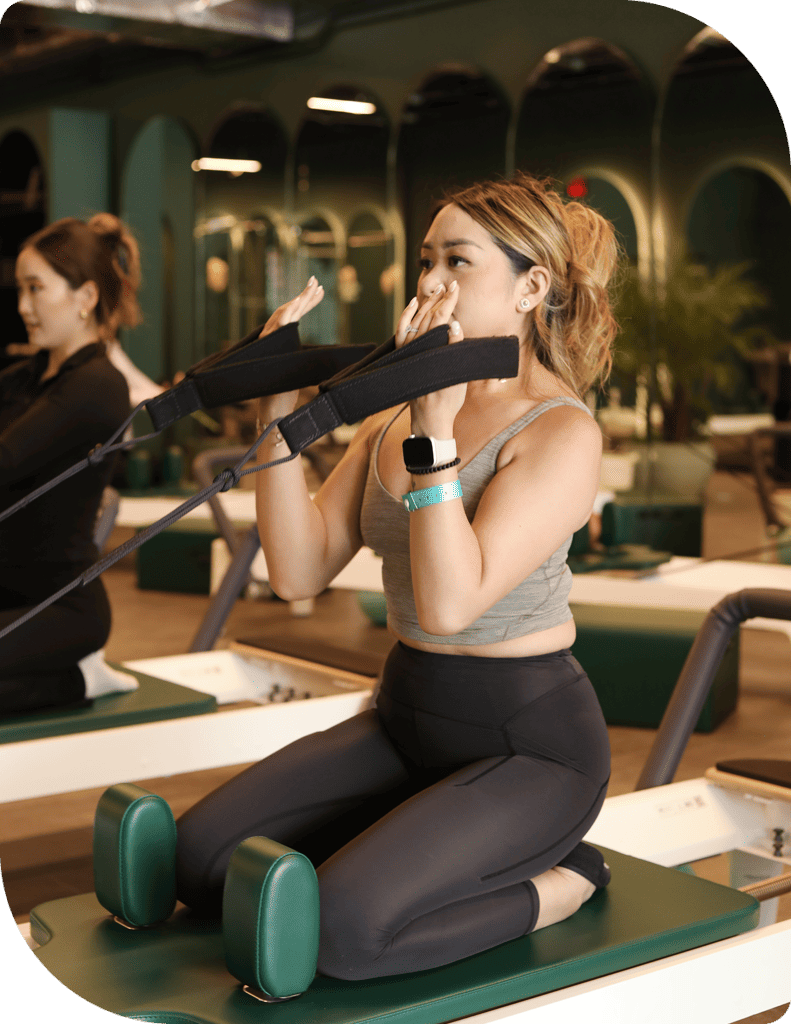
Thinking about a Pilates career? This guide explains how to become a Pilates instructor, from building your personal practice to choosing Pilates teacher training, gaining teaching experience, and preparing for a rewarding role in Miami’s wellness community.
Learning how to become a Pilates instructor is exciting, but the real path takes more than loving a great workout. A skilled instructor understands movement, anatomy, cueing, client safety, and the original principles behind Pilates. They also know how to make every client feel welcome.
For many people in Miami and South Florida, Pilates begins as a personal wellness habit. It may help with posture after long workdays, build strength for beach runs, or create a calmer routine in a fast-paced city. Over time, that practice can grow into a meaningful Pilates career.
The good news: you do not need to be a former dancer, professional athlete, or lifelong fitness expert to become a Pilates teacher. You do need commitment, curiosity, and consistent practice.
Start With a Strong Personal Pilates Practice
The first step in how to become a Pilates instructor is becoming a dedicated student. Before teaching others, you need to feel the exercises in your own body and understand why they are taught.
Pilates is not simply a list of movements. It is a method built around breath, control, concentration, precision, flow, and centering. Your personal practice teaches you how those ideas work together.
Take a Variety of Class Formats
Begin with foundational sessions, then gradually experience different Pilates formats. Mat work is valuable because it helps you understand body weight, alignment, and core control without relying on equipment. Reformer work adds springs, resistance, assistance, and many new movement options.
If you are new to the method, a Pilates class for beginners is an excellent place to learn essential terminology and form. As your confidence grows, explore intermediate sessions, strength-focused classes, stretching, and reformer programming.
Each format teaches something different. A slow mobility class may improve your eye for alignment. A stronger reformer session can show you how spring tension changes an exercise. You will also see how experienced instructors adjust the same movement for different bodies.
Practice Like a Future Teacher
Once teaching becomes a goal, attend classes with more attention. Notice the instructor’s setup, pacing, language, and demonstrations. Listen for cues that make an exercise click. Watch how they offer corrections without making clients feel discouraged.
Keep a simple notebook after class. Write down exercises, modifications, questions, and moments when you felt a movement in the right place. This habit creates a useful foundation before Pilates teacher training begins.
Private sessions can be especially helpful. With private Pilates training, you can receive detailed feedback on your own alignment, movement patterns, and goals. That body awareness becomes one of your best assets as a future instructor.
Understand the Main Pilates Instructor Requirements
There is no single nationwide license that automatically qualifies someone to teach Pilates. However, reputable studios and clients expect instructors to complete a quality training program, practice extensively, and maintain professional standards.
Common Pilates instructor requirements include a strong personal practice, formal education through a recognized program, observation hours, practice teaching, and anatomy study. Many employers also prefer current CPR and AED certification.
Know What Comprehensive Training Means
Some programs focus only on mat Pilates. Others teach one apparatus, such as the reformer. A comprehensive Pilates teacher training program usually covers mat work plus equipment including the Reformer, Cadillac or Trapeze Table, Chair, and Barrels.
Neither route is automatically better. Your choice should fit the type of Pilates career you want. If you hope to teach group reformer classes in Miami, reformer-focused education may be a smart starting point. If you want broad skills for private clients, rehabilitation-minded settings, or classical studios, comprehensive training offers more depth.
What You Will Study
A solid program should cover far more than exercise names. Look for education in:
- Functional anatomy and basic biomechanics
- Posture, alignment, and movement assessment
- Class planning and sequencing
- Verbal, visual, and tactile cueing
- Modifications for injuries, pregnancy, and different fitness levels
- Equipment setup, spring choices, and safety
- Pilates history, principles, and professional ethics
These skills matter because real clients are not identical. One person may need help finding neutral spine, while another needs a challenging progression that supports athletic performance. A confident Pilates instructor learns to coach both safely.
Choose Pilates Teacher Training Carefully
Choosing a program is one of the biggest decisions you will make. Do not select a course based only on price, social media popularity, or how quickly it promises certification. Short programs can be useful introductions, but teaching well requires time in the studio.
Instead, compare the curriculum, faculty experience, mentorship structure, required hours, and assessment process. Ask whether the program includes supervised teaching and whether you will receive feedback on your cueing and programming.
Questions to Ask Before You Enroll
Use these questions when researching Pilates teacher training:
- How many total hours are required?
- Does the program include mat, reformer, and other apparatus?
- How much anatomy education is included?
- Will I complete observation and practice-teaching hours?
- Are written and practical exams required?
- Can graduates receive mentorship or job guidance afterward?
It is also wise to learn from instructors whose teaching style you respect. Visit studios, take classes, and observe the atmosphere. At Backstage Pilates instructors, clients can see the value of knowledgeable, client-centered coaching across different class styles.
In a wellness-focused area like Miami, instructors often work with busy professionals, active retirees, new parents, athletes, and visitors who want to stay consistent while traveling. Training that prepares you to adapt is more valuable than a program that only teaches a memorized routine.
Build Teaching Hours and Real-World Confidence
Certification is a major milestone. It is not the finish line. The transition from student to Pilates instructor happens through repetition, observation, and real client interaction.
Complete Observation, Self-Practice, and Teaching Hours
Most quality programs require three types of experience: observing experienced teachers, completing your own practice sessions, and teaching others. Each serves a different purpose.
Observation helps you see how instructors manage a room, answer questions, modify exercises, and keep classes moving. Self-practice builds physical understanding. Practice teaching develops your voice, timing, and ability to respond when a client needs help.
Start small. Teach a friend one or two movements. Practice explaining footwork, breathing, or pelvic placement in plain language. Then teach a short sequence and ask for honest feedback. You may know the exercise perfectly but still need time to make your instruction clear.
Learn to Teach People, Not Perfect Shapes
New instructors sometimes focus so hard on getting every client into an ideal position that they forget the person in front of them. Great teaching is responsive. It considers injuries, energy levels, confidence, and individual goals.
For example, a client with tight hips may need a smaller range of motion. Someone recovering from an injury may need medical clearance and a slower progression. Prenatal and postnatal clients require specialized knowledge, not assumptions. When in doubt, simplify the exercise and prioritize safety.
Clear communication matters just as much. Avoid overwhelming clients with too many cues at once. Give one helpful focus, let them move, then build from there. Your calm presence can turn a challenging session into a positive experience.
Prepare for a Flexible Pilates Career in Miami
A Pilates career can take several directions. You may teach group classes, work one-on-one with private clients, lead corporate wellness sessions, or eventually develop a specialty such as athletic conditioning, active aging, or pre/postnatal Pilates.
Miami offers a lively fitness culture, but success still requires professionalism. Be reliable. Arrive early. Learn equipment quickly. Keep notes on client needs, respect boundaries, and continue your education.
As you build experience, take classes from a range of teachers and stay connected to the local movement community. You can also view the Backstage Pilates schedule to experience how a premier South Florida studio structures varied group offerings.
The most successful instructors keep learning, stay humble, and make Pilates approachable for every body. That is where a lasting teaching career begins.
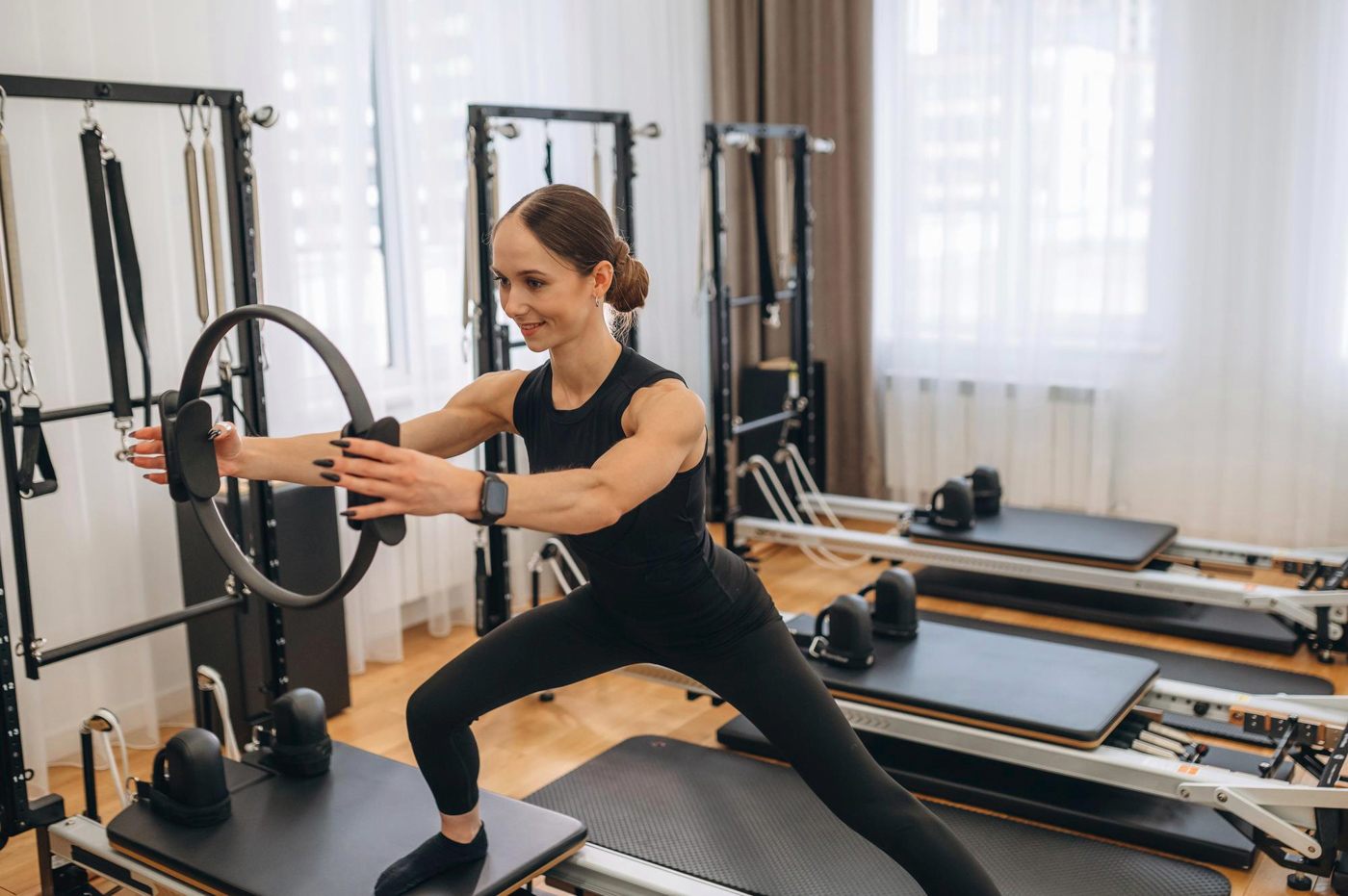
Find Your First Pilates Instructor Job
After completing Pilates teacher training and building practice hours, the next step is finding a place to teach. Your first role may be a substitute position, a small group class, or an assistant opportunity. Every experience counts.
Miami’s fitness market is active and competitive, but it also creates real opportunity. Residents want low-impact strength training, better posture, mobility, and stress relief. Visitors often look for a consistent workout while they are in South Florida. A reliable Pilates instructor can support all of these needs.
Create a Professional Pilates Resume
Your resume does not need to be long. It should clearly show your training, certifications, teaching hours, specialties, and work history. Include CPR and AED credentials if you have them, along with any relevant education in fitness, anatomy, physical therapy, dance, or wellness.
Also include the class formats you are prepared to teach. For example, you may list mat Pilates, Reformer Pilates, beginner sessions, private instruction, or small-group training. Be honest about your current skills. Studios value instructors who are eager to learn over instructors who overstate their experience.
A short professional bio is helpful, too. Explain what brought you to Pilates and how you want clients to feel in your sessions. Maybe you are passionate about helping busy professionals move better after desk work. Perhaps you love supporting active adults who want to stay strong for tennis, golf, running, or Miami’s year-round outdoor lifestyle.
Audition With Preparation and Confidence
Many studios ask new teachers to audition. You may be asked to teach a short class, demonstrate your movement knowledge, or take a session with the studio owner or lead instructor.
Preparation makes a difference. Plan a simple, safe sequence instead of trying to show every advanced exercise you know. Choose movements you can explain well. Have clear regressions and progressions ready. Check the equipment before clients arrive.
During an audition, studios are often looking for more than perfect choreography. They want to see whether you can create a welcoming environment, speak clearly, notice form, and keep people safe. Your personality matters. So does your ability to make a beginner feel just as included as an experienced client.
Spend time experiencing different studio environments before applying. Taking Reformer Pilates classes can help you understand how effective group instruction balances energy, alignment, spring safety, and individual attention.
Start by Subbing When Possible
Substitute teaching is one of the best ways to begin a Pilates career. It exposes you to different class sizes, equipment setups, and client needs without requiring you to fill a full weekly schedule immediately.
Be dependable when you accept a substitute class. Arrive early, confirm the format, and ask about regular clients or injuries the studio has been cleared to share. A great sub instructor often becomes a regular instructor when an opening appears.
Develop Your Teaching Style and Specialty
As you become a Pilates teacher, your voice will develop with time. At first, it is normal to rely closely on training notes and familiar sequences. Eventually, you will learn when to slow down, when to offer a challenge, and when one simple cue is more useful than five detailed corrections.
Your teaching style should be grounded in the Pilates principles, but it should still sound like you. Clients remember how a class made them feel. They want to feel stronger, more capable, and supported—not confused or judged.
Choose a Specialty That Fits Your Interests
You do not need to specialize right away. Still, continuing education can help you build a clear niche over time. A specialty also makes it easier for the right clients to find you.
Popular areas for Pilates instructors include:
- Prenatal and postnatal movement
- Active aging and balance training
- Athletic performance and cross-training
- Posture-focused Pilates for desk workers
- Mobility and flexibility programming
- Private sessions for beginners or clients returning after time away
For example, prenatal and postnatal work requires specialized education, careful screening, and appropriate modifications. It is never enough to simply make a regular workout easier. Instructors must understand how pregnancy, recovery, breathing patterns, and core function can change.
Private teaching is another powerful path. Through private Pilates training, instructors can create highly personalized programs based on a client’s movement history, goals, and comfort level. These sessions often deepen your assessment, communication, and problem-solving skills.
Keep Learning After Certification
Pilates instructor requirements do not end when you pass an exam. The strongest teachers continue studying. They take workshops, learn from mentors, review anatomy, and attend classes taught by other professionals.
Keep asking questions. How can you better explain rib placement? Which regression helps a client who cannot comfortably kneel? When should you refer someone back to a medical professional? Ongoing education makes your teaching safer and more effective.
It also prevents burnout. Fresh ideas can bring new energy to your classes while keeping your programming purposeful rather than random.
Build a Sustainable Pilates Career
A rewarding Pilates career is built on relationships. Technical skill earns trust, but consistency keeps clients coming back. Remember names. Celebrate progress. Respect boundaries. Follow up when appropriate.
In Miami, many clients manage demanding work schedules, travel, family responsibilities, and an active social life. Make Pilates feel doable. Offer options, explain the purpose of movements, and help clients understand that steady practice matters more than perfection.
Set Healthy Professional Boundaries
Being supportive does not mean working without limits. Establish clear cancellation policies, arrive prepared, protect client privacy, and stay within your scope of practice. Pilates instructors can teach movement and provide general fitness guidance, but they do not diagnose injuries or replace medical care.
When a client has pain, recent surgery, or a complex health concern, encourage them to seek guidance from an appropriate licensed healthcare provider. Once they have clearance, you can use your training to support a gradual, thoughtful return to movement.
Make Connections in the South Florida Wellness Community
Networking does not have to feel sales-focused. Build genuine connections with other instructors, studio owners, physical therapists, wellness professionals, and local businesses. Attend community events. Take other classes. Be a positive, professional presence.
Corporate wellness can also be a meaningful avenue for instructors who enjoy working with teams. Short movement sessions can help employees reset after long hours of sitting, improve body awareness, and bring healthy energy into the workday.
Most importantly, continue being a student. The best Pilates instructor is not the person who claims to know everything. It is the person who listens carefully, teaches responsibly, and keeps improving.
Take the Next Step Toward Teaching Pilates
Learning how to become a Pilates instructor takes patience, practice, quality education, and a real commitment to helping people move well. Start with your own consistent practice, choose thorough Pilates teacher training, gain supervised teaching experience, and keep developing after certification.
Whether your goal is to teach energetic group classes, guide private clients, or create a long-term wellness career in Miami, there is room to grow when you lead with knowledge and care. Explore the welcoming community at Backstage Pilates, book a class, and see how experienced instruction can inspire your next step.