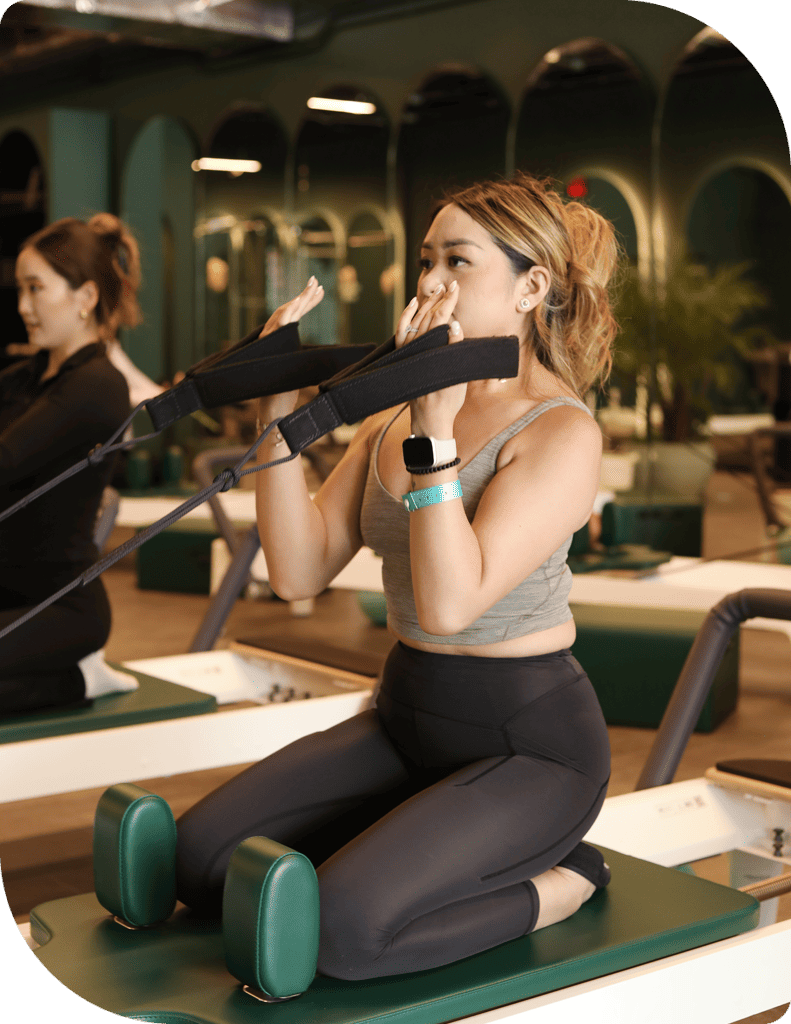
Discover how Pilates can build knee strength, improve movement control, and support healthy joints. This guide explains safe, low-impact exercises, smart form cues, and when personalized Pilates guidance may help Miami residents move with greater comfort and confidence.
Why Pilates Is Effective for Knee Strengthening and Joint Support
Your knees do a lot every day. They support you while walking around Miami, climbing stairs, standing at work, playing pickleball, and enjoying long beach walks. When the muscles around the knee are weak or movement patterns are off, the joint may feel unstable, stiff, or uncomfortable.
Knee strengthening Pilates focuses on the entire lower body, not just the knee itself. Pilates trains the hips, glutes, thighs, calves, feet, and deep core muscles that help control leg alignment. This whole-body approach can create stronger support for the knee during everyday movement.
Unlike many high-impact workouts, Pilates for knees is usually controlled, low impact, and easy to modify. Exercises are performed with careful attention to breathing, posture, range of motion, and alignment. That matters because knee discomfort is not always caused by the knee alone. Weak glutes, tight hips, poor ankle mobility, or a lack of core stability can all affect how pressure moves through the joint.
How Pilates supports healthier knee movement
Pilates can help improve the strength and body awareness needed to keep your knees tracking in a more balanced position. Instead of allowing the knees to collapse inward or twist during squats, lunges, and stairs, you learn to activate the muscles that guide the legs.
- Strengthens the quadriceps, hamstrings, glutes, and calves
- Improves hip stability and pelvic control
- Builds core strength for better full-body alignment
- Encourages gentle mobility without pounding the joints
- Teaches control during bending, extending, and balancing movements
For beginners, a Pilates class for beginners can be a supportive place to learn the foundations. The goal is not to push through pain. It is to move with precision and gradually build strength that carries into real life.
Pilates for Knees: Key Muscles That Need Attention
Healthy knees depend on a team effort. While the joint itself connects the thighbone and shinbone, the muscles above and below it help manage force. When one area is underactive or overly tight, the knee may have to work harder.
Glutes and hips
Your glutes are major players in knee support. Strong glute muscles help control the position of the thigh as you walk, step, squat, or exercise. If the hips are weak, the knees may drift inward, especially when you are tired.
Pilates exercises such as bridges, side-lying leg work, clamshell variations, and standing balance drills can target the glutes without excessive impact. Small movements can be surprisingly challenging when they are done with proper form.
Quadriceps and hamstrings
The quadriceps at the front of the thigh help straighten the knee, while the hamstrings at the back help bend it and control motion. Both groups should be strong, but balance matters more than simply doing more repetitions.
For pilates knee rehab, instructors often use controlled leg extensions, supported squats, footwork, and bridges to build strength steadily. The resistance and moving carriage in Reformer Pilates classes can offer support while still challenging the legs in a smooth, joint-friendly way.
Feet, ankles, and core
It may seem surprising, but foot and ankle strength can affect knee comfort. If your arches collapse or your ankles lack control, the knees may compensate. Pilates footwork improves awareness of how you press through the heel, big toe, little toe, and center of the foot.
Your core matters, too. A stable trunk and pelvis help your legs move from a stronger foundation. This is one reason Pilates is more than a collection of joint support exercises. It connects the body from the ground up.
Low Impact Knee Exercises You Can Practice Safely
The best low impact knee exercises are controlled, comfortable, and appropriate for your current ability. If you have sharp pain, swelling, a recent injury, joint locking, or your knee gives out, speak with a medical professional before starting a new routine.
1. Pelvic bridge
Lie on your back with both knees bent and feet hip-width apart. Exhale as you gently lift your hips, keeping your ribs relaxed and knees in line with your second toes. Pause, then lower with control.
This exercise strengthens the glutes and hamstrings, which can reduce the demand placed directly on the knees. Keep the movement small if you feel pressure in your low back or knees.
2. Supported wall sit
Stand with your back against a wall and slide down only as far as feels comfortable. Keep your weight evenly distributed through both feet. Avoid letting the knees travel inward.
Hold for a few steady breaths, then return to standing. A shallow wall sit can be an effective option for building quad endurance without jumping or running.
3. Side-lying leg lift
Lie on one side with your hips stacked. Lift the top leg slowly without rolling backward. This simple movement targets the outer hip muscles that help stabilize the leg when you walk and climb stairs.
Quality comes first. A small, controlled lift is better than swinging the leg high.
4. Gentle heel raises
Hold a stable surface and rise onto the balls of your feet, then lower slowly. Heel raises develop calf and ankle strength, helping create a steadier base under the knee.
These exercises may be useful for knee pain Pilates routines, but pain is an important signal. Mild muscle effort is normal. Pinching, sharp joint pain, or increasing discomfort is not.
Smart Pilates Tips for Knee Pain and Long-Term Strength
Consistency beats intensity. Two or three thoughtfully paced sessions per week can be more useful than one hard workout that leaves your joints irritated. For Miami’s active wellness community, Pilates is a practical way to stay strong while balancing outdoor activities, busy work schedules, and recovery needs.
Use alignment cues that protect your knees
During leg exercises, think about keeping your knee centered over the middle toes. Maintain even pressure through the feet, and avoid forcing the knees into a deep bend before you have the strength or mobility to control it.
Move slowly enough to notice what is happening. Pilates builds results through precision, not momentum.
Choose the right level of support
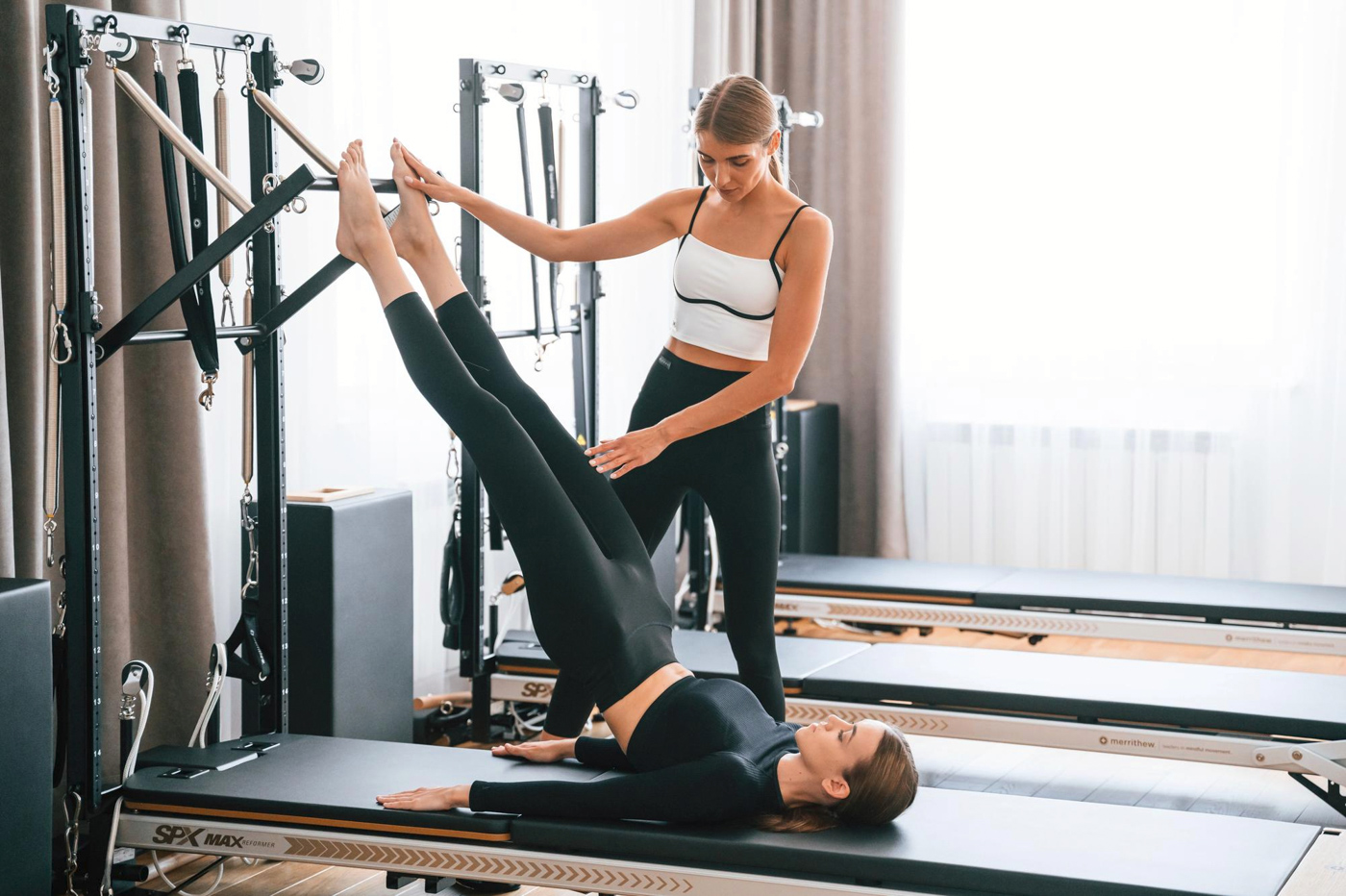
Group classes can be excellent for general conditioning, especially when you communicate your needs before class. However, private instruction may be a better starting point after an injury, surgery, or recurring discomfort. Private Pilates training allows an instructor to adjust springs, range of motion, and exercise choices around your goals.
Make room for mobility and recovery
Strength work is only one part of knee care. Gentle stretching for the hips, calves, and thighs can help you move more freely. A Pilates stretch class can complement strengthening sessions by improving flexibility, circulation, and recovery.
Whether you are new to exercise or returning after time away, Pilates offers a scalable path forward. With patient practice, better alignment, and expert guidance, you can build stronger legs, more supported joints, and confidence in every step.
How to Modify Pilates Exercises for Sensitive Knees
One of the biggest benefits of Pilates for knees is that exercises can be adjusted without losing their value. You do not need to force a deep squat, kneel on an uncomfortable surface, or copy the person next to you. A good Pilates practice meets your body where it is today.
For many people, the right modification makes movement feel possible again. This is especially helpful for South Florida residents managing old sports injuries, arthritis-related stiffness, recovery after a busy travel season, or discomfort from spending long hours at a desk.
Work within a comfortable range of motion
A deeper bend is not always better. If your knee feels sore during a squat, lunge, or footwork exercise, reduce the bend and focus on steady alignment. You can still strengthen the legs with a smaller, more controlled movement.
For example, during Reformer footwork, you may begin with a lighter spring setting and avoid bringing the carriage all the way in. During standing work, use a wall, barre, or chair for balance. These small changes can make low impact knee exercises more comfortable while helping you build confidence.
Use props and equipment strategically
Props are not shortcuts. They are useful tools for better body awareness and joint support.
- Place a small ball or cushion between the thighs to encourage gentle leg alignment.
- Use a folded mat under the knees during quadruped exercises.
- Hold a stable support during heel raises or single-leg balance work.
- Use lighter springs on the Reformer when learning new movement patterns.
- Add a pillow under the head during mat exercises if neck tension affects your form.
These options can help reduce unnecessary strain while you develop stronger hips, thighs, ankles, and core muscles. For more guidance on what to expect from equipment-based movement, explore the Pilates equipment guide before your first session.
Pay attention to pain signals
Pilates should create muscular effort, not sharp joint pain. It is normal to feel your glutes working in a bridge or your thighs working during a wall sit. It is not a goal to feel pinching under the kneecap, sudden catching, instability, or pain that gets worse as you continue.
If discomfort begins, stop and reset. Check your foot placement, reduce your range of motion, or choose another exercise. Ongoing pain, swelling, redness, locking, numbness, or a knee that repeatedly gives way should be assessed by a qualified healthcare professional. Pilates can be a valuable part of a wellness routine, but it does not replace medical diagnosis or treatment.
Building a Smart Pilates Knee Rehab Routine
A thoughtful Pilates knee rehab approach is gradual. The aim is to improve strength, mobility, and control over time rather than trying to “fix” the knee in one hard workout. Your body responds well to consistent practice.
Start with stability before adding intensity
Early sessions should focus on the basics: breath, pelvic alignment, foot placement, hip control, and core stability. These details may seem simple, but they create the foundation for safer leg work.
Start with bridges, side-lying leg lifts, seated leg extensions, gentle calf raises, and supported standing balance. Once those movements feel steady, you can progress to more challenging options such as single-leg bridge variations, controlled step-ups, lunges with support, and stronger Reformer resistance.
For experienced practitioners, the same rule applies. More intensity only helps when you can maintain alignment. If your knee rolls inward, your pelvis shifts, or you lose control at the bottom of a movement, return to a simpler version and rebuild from there.
A simple weekly plan for knee strength
Most people do well with two or three Pilates sessions each week, combined with regular walking and recovery. Miami’s year-round outdoor lifestyle makes it easy to add movement, but heat and humidity can also increase fatigue. Stay hydrated, wear supportive shoes for long walks, and avoid treating soreness as a reason to push harder.
Try this balanced approach
- Day 1: Focus on glutes, core activation, and controlled footwork.
- Day 2: Take a walk, swim, or enjoy gentle mobility work.
- Day 3: Practice quadriceps, hamstring, calf, and balance exercises.
- Day 4: Rest or attend a gentle stretch-focused class.
- Day 5: Repeat a full-body Pilates session with careful attention to form.
This schedule is flexible, not strict. Some weeks may call for more recovery, particularly after travel, a demanding work schedule, or increased activity such as tennis, running, or paddleboarding.
Why instructor feedback matters
Even familiar exercises can feel different when an instructor offers a precise cue. A small adjustment, such as pressing evenly through the big toe and heel or engaging the outer hip, may change how your knee feels during movement.
Backstage Pilates instructors can help you understand which exercises support your goals and which variations may be best to pause for now. Review the studio’s experienced Pilates instructors and choose a setting that feels supportive, whether you prefer a group class or individualized attention.
Everyday Habits That Support Stronger, More Comfortable Knees
Your Pilates session is important, but everyday habits also influence knee comfort. Repeated movements add up. The way you stand, climb stairs, sit at work, recover after workouts, and choose footwear can all affect your lower-body mechanics.
Practice better movement outside the studio
When climbing stairs, press through the full foot rather than driving only through the toes. Keep the knee generally aligned with the middle toes, and use the handrail when needed. When sitting down, hinge slightly at the hips instead of letting the knees collapse inward.
During long periods of sitting, stand up every hour when possible. Gently straighten and bend the knees, move the ankles, and take a short walk. This can help reduce stiffness and improve circulation, especially for people working in Miami offices or commuting across South Florida.
Support recovery with mobility and rest
Strong muscles need recovery. Light stretching for the calves, hip flexors, hamstrings, and quadriceps may improve comfort after activity. Foam rolling can also feel helpful for some people, although it should not cause bruising or severe pain.
Sleep, hydration, and balanced nutrition matter, too. While no single food or supplement can guarantee healthy joints, an overall wellness routine supports your ability to train consistently. The goal is a body that feels capable, not exhausted.
Choose classes that match your current needs
If you are returning to exercise, start with a class designed to teach foundational skills. If you already have Pilates experience, communicate with your instructor about your knee history before class begins. In a welcoming studio environment, modifications are part of intelligent training, not a setback.
You can explore the current Pilates class schedule in Miami to find a session that fits your routine. Air-conditioned studio workouts can be an excellent option when South Florida temperatures make outdoor exercise less appealing.
Build Knee Strength With Pilates at Backstage Pilates
Knee strengthening Pilates is about more than building stronger thighs. It teaches your hips, core, feet, and legs to work together with better control. With consistent practice, Pilates for knees may help you move through daily life with greater stability, improved body awareness, and more confidence.
Start slowly. Focus on quality. Respect pain signals, and allow progress to build over time.
Whether you are looking for joint support exercises, low impact knee exercises, or a more personalized path for knee pain Pilates, Backstage Pilates offers welcoming options for every fitness level. Contact Backstage Pilates or book a class to begin building stronger, more supported movement in Miami.
Frequently Asked Questions
Is Pilates good for strengthening weak knees?
Yes. Pilates can help strengthen the muscles that support the knees, including the quadriceps, hamstrings, glutes, calves, feet, and core. Rather than focusing on the knee alone, Backstage Pilates uses controlled, low-impact movement to improve hip stability, leg alignment, and body awareness. This whole-body approach can help Miami residents move more confidently during walks, stairs, workouts, and everyday activities.
Can I do Pilates if I have knee pain or discomfort?
Pilates may be a supportive option when exercises are modified for your comfort and ability. The goal is never to push through sharp pain, pinching, swelling, locking, or a knee that gives out. If you have a recent injury or concerning symptoms, speak with a medical professional first. At Backstage Pilates, private instruction can provide more personalized exercise choices, range of motion, and resistance adjustments.
What are the best low-impact Pilates exercises for knee strength?
Helpful low-impact exercises include pelvic bridges, supported wall sits, side-lying leg lifts, and gentle heel raises. These movements build strength in the glutes, thighs, hips, calves, and ankles, which all help support healthy knee movement. Proper form is important: keep your knees aligned over the middle toes, move slowly, and use a smaller range of motion whenever needed for comfort and control.
How often should I do Pilates for stronger knees?
Two or three thoughtfully paced Pilates sessions per week can be a practical routine for building lower-body strength and movement control. Consistency is more important than doing one overly intense workout that leaves your joints irritated. For Miami’s active, year-round lifestyle, regular Pilates can complement beach walks, pickleball, stair climbing, and other activities while giving your body time for mobility and recovery.
Is Reformer Pilates safe for knee rehabilitation and joint support?
Reformer Pilates can offer smooth, controlled resistance for exercises such as footwork, bridges, supported squats, and leg extensions. The moving carriage and springs can provide support while still challenging the legs without high-impact jumping or running. For knee rehabilitation needs, it is important to work within a comfortable range and use appropriate resistance. Backstage Pilates instructors can help tailor movement to your current goals.
Should I choose group Pilates classes or private sessions for knee pain?
Group Pilates classes can be a great choice for general conditioning when you share your needs with the instructor before class. If you are returning after surgery, an injury, recurring knee discomfort, or a long break from exercise, private Pilates training may be a better starting point. A private session allows Backstage Pilates to adjust springs, alignment cues, exercise selection, and range of motion around your needs.