Considering a Pilates teaching career in Miami? This guide explains Pilates certification course costs, training hours, certification timelines, and practical ways to plan your investment before becoming certified as a Pilates instructor.
Pilates is more than a workout in Miami. It is part of a wellness-focused lifestyle that supports strength, mobility, posture, and stress relief. For people who love movement and want to help others feel better, becoming a Pilates instructor can be a rewarding next step.
Before enrolling, it helps to understand the real commitment. A Pilates certification course requires time, focused practice, observation, teaching experience, and financial planning. Requirements vary by program, but knowing the usual range can help you choose a path that fits your goals, budget, and schedule.
What Does a Pilates Certification Course Include?
A quality Pilates certification course teaches far more than exercise names. You learn how to move well, how to cue safely, how to recognize common compensations, and how to build thoughtful sessions for different bodies.
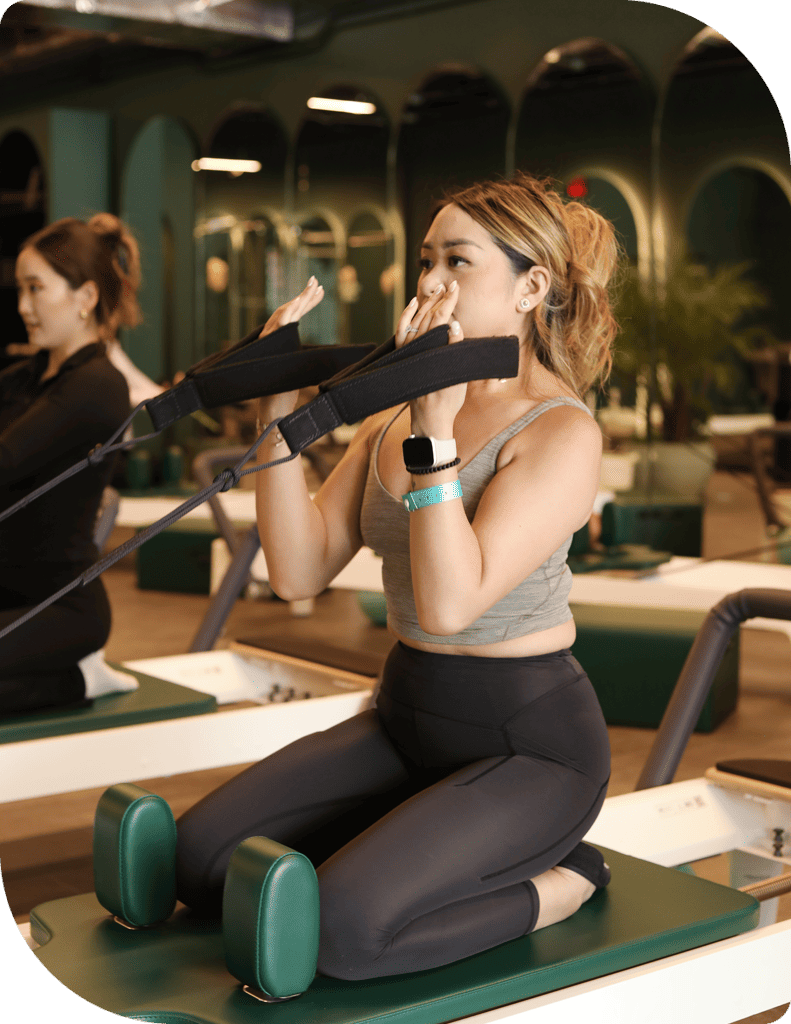
Many aspiring instructors begin by building a stronger personal practice. Taking consistent Reformer Pilates classes is a practical way to experience the equipment, learn studio etiquette, and understand what clear instruction feels like from a client’s perspective.
Core Topics in Pilates Teacher Training
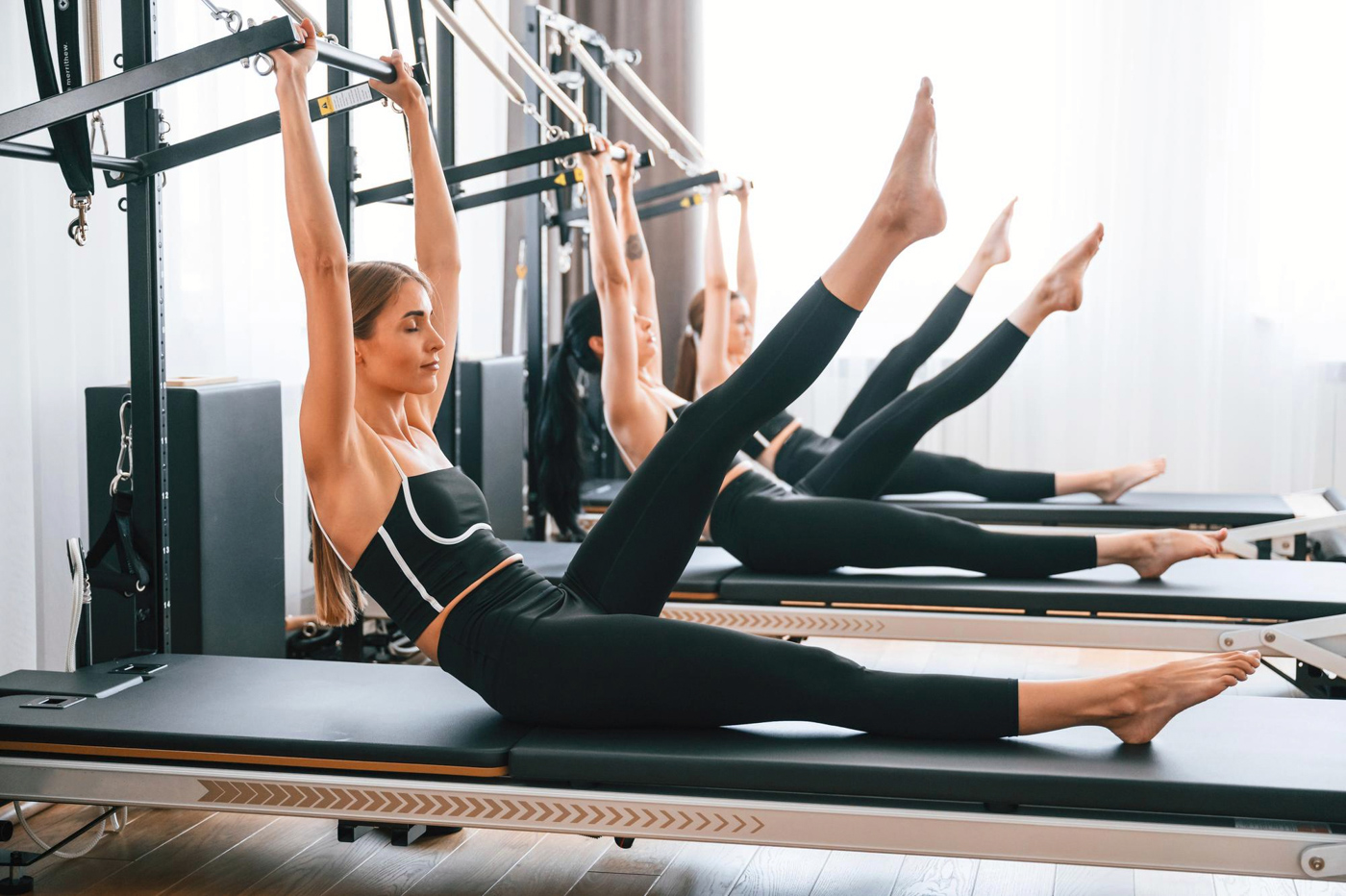
Most comprehensive programs include anatomy, biomechanics, Pilates history, movement principles, exercise progressions, modifications, and teaching skills. You will study the mat repertoire along with equipment such as the Reformer, Cadillac or tower, chair, barrels, and small props.
Instructor training also teaches you to look beyond a perfect-looking movement. A client may need a smaller range of motion, lighter resistance, or a different exercise entirely. Good teachers know how to make each session challenging without sacrificing control or safety.
- Functional anatomy and body alignment
- Classical and contemporary Pilates exercises
- Reformer setup, spring choices, and equipment safety
- Verbal cueing and hands-on guidance, when appropriate
- Modifications for beginners, injuries, pregnancy, and older adults
- Program design for private sessions and group classes
Mat Certification vs. Comprehensive Certification
A mat-only certificate is often the fastest and least expensive entry point. It prepares you to teach Pilates mat classes, usually with minimal equipment. This can work well for fitness professionals who want to add mat Pilates to their current services.
A comprehensive certification is broader. It typically covers mat work plus major Pilates apparatus, making it a stronger choice for instructors who want to teach in boutique studios, work with private clients, or build a long-term Pilates career in South Florida.
For many students, comprehensive training offers more flexibility. Miami clients often enjoy equipment-based movement, especially Reformer sessions that combine resistance, support, and targeted core work. Still, the best choice depends on your professional goals and the type of clients you hope to serve.
Pilates Certification Cost: What Should You Budget?
The average Pilates certification cost varies widely based on the school, format, certification level, included materials, and location. A shorter mat program may cost roughly $500 to $2,000. Comprehensive programs commonly range from $4,000 to $8,000 or more.
That number can feel significant. However, it reflects a specialized education that combines personal movement practice with teaching skills, mentorship, and supervised experience.
Typical Pilates Teacher Training Cost Breakdown
When reviewing the total Pilates teacher training cost, ask what is included. Some programs list tuition only, while others bundle manuals, exams, observation hours, studio access, and mentorship into one price.
Expenses to Ask About Before Enrolling
- Registration or application fees
- Training manuals and digital learning materials
- Final practical and written examination fees
- Required observation, practice, or student-teaching sessions
- Travel and lodging for in-person training weekends
- CPR certification, insurance, and continuing education
There may also be costs after graduation. New instructors often invest in professional liability insurance, continuing education workshops, and regular personal classes. These investments help you stay sharp and teach with confidence.
Do not choose a program based on price alone. An unusually low-cost course may not provide enough supervised teaching practice or equipment education. Compare faculty experience, graduate support, required training hours, and whether the credential is recognized by studios where you want to work.
If you are still exploring the Pilates method, start by reviewing what Pilates is and how it works. A clear foundation can help you decide whether teaching aligns with your strengths and interests.
How Many Pilates Training Hours Are Required?
Pilates training hours are one of the biggest differences between a quick certificate and a comprehensive professional education. While requirements are not identical across organizations, many respected comprehensive programs require around 450 to 600 hours.
Those hours are usually divided among lectures, personal practice, observation, practice teaching, and student teaching. This structure matters because Pilates is learned through repetition. You need time to feel the exercises in your own body before you can successfully teach them to someone else.
Common Hour Categories
Lecture hours cover anatomy, movement concepts, exercise order, and teaching theory. Observation hours involve watching experienced teachers lead clients. Personal practice lets you apply what you are learning. Practice teaching is where your voice, eye, and confidence begin to develop.
Student teaching is essential. You will plan sessions, give cues, make corrections, and respond to real people with different needs. It can be humbling at first. It is also where many future instructors discover their teaching style.
A shorter mat certification may require 50 to 150 hours, while a full apparatus program often demands 450 hours or more. Ask a school to explain exactly how students log each category. Clear tracking helps you avoid surprises later.
How to Fit Training Into a Miami Schedule
Miami life moves fast. Between work, family, traffic, beach weekends, and social plans, a training program can feel like another major responsibility. The key is choosing a realistic weekly rhythm instead of relying on last-minute catch-up sessions.
Set aside specific blocks for reading, movement practice, observation, and teaching. Even two or three focused sessions each week can create steady progress. If possible, schedule regular private Pilates training to deepen your technique and receive individual feedback.
Many trainees also benefit from practicing in group settings. Consistent attendance at Pilates classes in Miami helps you observe different cueing styles, class pacing, and ways instructors support beginners.
Certification Timeline: How Long Does Becoming Certified Take?
The typical certification timeline depends on the program format and your availability. A mat program may take several weeks to a few months. Comprehensive certification often takes six months to one year, and some trainees take longer when balancing a full-time job or family responsibilities.
There is no prize for rushing. Becoming certified should mean you can teach responsibly, not simply that you finished a checklist.
Factors That Affect Your Timeline
Your prior fitness experience, access to equipment, ability to find practice clients, and weekly availability all affect completion time. A person with flexible hours may finish faster than someone completing the same program around a demanding career.
For Miami professionals, a part-time format is often the most sustainable option. Build your skills steadily, keep practicing the method, and treat each training hour as preparation for serving future clients with care.
How to Choose the Right Pilates Certification Program
Not every Pilates certification course has the same focus, schedule, or teaching philosophy. The best program for you should match your career goals, learning style, and the type of Pilates work you want to do after becoming certified.
For example, someone who wants to lead mat classes at gyms, hotels, or corporate wellness events may begin with a mat certification. Someone who hopes to teach private clients or work at a fully equipped Miami Pilates studio may benefit more from comprehensive training.
Look for Quality Education and Real Teaching Practice
A strong program should include detailed anatomy education, supervised practice, feedback from experienced educators, and a final assessment. These elements make a major difference when you begin working with real clients.
Be cautious of programs that promise certification in only a weekend without substantial practice requirements. A short workshop can be useful for continuing education, but it may not prepare you to safely teach a full Pilates session to clients with different abilities, injuries, or fitness backgrounds.
When comparing options, ask whether the program includes:
- In-person or live instruction from qualified teacher trainers
- Practice on Pilates equipment, including the Reformer
- Mentorship and feedback on your teaching skills
- Observation of experienced instructors
- Opportunities to work with practice clients
- Written and practical exams before graduation
It also helps to ask where graduates work after completing the program. A respected Pilates certification course should give you skills that transfer to boutique studios, private training settings, wellness facilities, and group fitness environments.
Consider Your Preferred Teaching Environment
Your future workplace can shape your decision. Miami has a diverse and active wellness community, with clients seeking everything from athletic conditioning to gentle movement, prenatal support, and post-rehabilitation exercise.
If you want to work with beginners, you will need patience and a strong understanding of foundational movement. If your goal is teaching experienced clients, you may need more advanced programming knowledge, athletic progressions, and confidence with equipment changes.
Spend time experiencing different class styles before committing to a training path. Try beginner, intermediate, strength-focused, and mobility-based sessions. This can help you discover the type of instructor you want to become.
Questions to Ask Before You Pay Tuition
- How many total Pilates training hours are required?
- Can I complete the program while working full time?
- What happens if I need extra time to finish my hours?
- Are manuals, exams, and mentoring included in the Pilates certification cost?
- Will I have access to equipment for practice sessions?
- Does the program offer career guidance after graduation?
Clear answers are a good sign. A school should be transparent about its certification timeline, payment expectations, and graduation requirements from the beginning.
Planning Your Pilates Teacher Training Cost and Schedule
Becoming certified is easier when you treat it like a professional investment. Create a realistic budget before enrolling, then build a weekly schedule that protects your time for studying, practice, and teaching.
The total Pilates teacher training cost may include more than tuition. You may need to budget for transportation, activewear, studio practice sessions, exam retakes if needed, insurance, and continuing education after graduation. Miami trainees should also consider travel time between work, home, and the studio. Traffic can turn a simple evening practice session into a longer commitment.
Create a Simple Training Budget
Start by listing the full Pilates certification cost, including every required fee. Then add a small cushion for unexpected expenses. Some schools offer payment plans, which can make comprehensive certification more manageable, but be sure you understand the payment dates and any financing terms.
It is wise to avoid overbooking yourself financially. You will learn more effectively when you have enough time to practice instead of feeling pressured to finish as quickly as possible.
A practical budget may include tuition, learning materials, practice sessions, certification exams, CPR training, insurance, and professional development. Once you start teaching, ongoing education can help you improve your skills and stay current with safe movement practices.
Build a Weekly Routine That You Can Maintain
Consistency matters more than intensity. A trainee who practices three times each week for several months often develops stronger skills than someone who tries to complete all required hours in a rush.
Try blocking time on your calendar for each training category. For example, you might reserve one evening for personal practice, one morning for observation, and a weekend block for practice teaching. Keep your study materials organized, track your hours carefully, and confirm that each hour meets your program’s requirements.
South Florida’s year-round warm weather makes it easy to stay active, but the heat and humidity can also be draining. Train in an air-conditioned studio, hydrate well, and give yourself recovery time. Pilates requires concentration. You will get more from your sessions when you arrive rested and prepared.
Use Your Own Practice to Become a Better Teacher
Your personal Pilates practice is not separate from your education. It is one of the most important parts of it.
As you move through the repertoire, notice what you feel in your breath, core, hips, shoulders, and spine. Pay attention to exercises that challenge you. Those experiences can help you give more compassionate, useful cues to future clients.
At Backstage Pilates, instructors understand that every body arrives with a different history. Some clients are athletes. Others are returning to movement after a long break. Great teachers meet people where they are, then help them progress safely.
What Happens After Becoming Certified?
Finishing your Pilates certification course is a meaningful achievement, but it is the beginning of your teaching journey. Your first months as an instructor are a time to keep learning, build confidence, and develop your own voice.
Many new teachers begin with a few classes, practice clients, or assistant opportunities while keeping another job. This gradual approach can help you gain experience without putting too much pressure on yourself.
Start Building Experience and Confidence
New instructors often improve quickly by teaching a variety of people. Each session teaches you something: how to explain an exercise more clearly, when to choose a modification, or how to help a client feel successful without making the workout too easy.
Keep your early sessions simple. Focus on clear setup, safe transitions, proper breathing, and thoughtful progressions. You do not need to use every advanced exercise you learned in training. Clients remember how you made them feel: supported, challenged, and seen.
Continuing to take classes is equally valuable. Watching skilled instructors can show you new ways to manage group energy, cue a complicated movement, and create a welcoming studio environment.
Develop a Career That Fits Your Goals
A Pilates career can take many forms. You may teach group Reformer classes, work one-on-one with private clients, support corporate wellness programs, or eventually specialize in areas such as prenatal Pilates, athletic performance, or active aging.
Miami’s health-conscious community offers opportunities for instructors who are reliable, educated, and client-focused. As your experience grows, so can your ability to create meaningful sessions for people with different goals.
Whether you choose a mat certificate or a comprehensive program, give yourself time to learn the method deeply. The right Pilates training hours, a realistic certification timeline, and a thoughtful financial plan can turn your interest in movement into a lasting profession.
Take the Next Step in Your Pilates Journey
Becoming certified takes commitment, but it can be a rewarding path for people who want to share the benefits of strength, mobility, mindful movement, and better body awareness. Start with a clear understanding of the Pilates certification cost, required training hours, and the level of education that supports your goals.
Before enrolling in a program, continue building your personal practice and learning from experienced instructors. Backstage Pilates welcomes every fitness level and offers a supportive Miami community for anyone ready to explore Pilates more deeply. Contact Backstage Pilates or book a class to experience focused, high-quality movement training firsthand.
Frequently Asked Questions
How much does a Pilates certification course cost in Miami?
Pilates certification costs vary by school, format, and level of training. A mat-only program may cost about $500 to $2,000, while comprehensive Pilates teacher training commonly ranges from $4,000 to $8,000 or more. Before enrolling, ask whether tuition includes manuals, exams, mentorship, studio access, and required practice hours. Also budget for CPR certification, insurance, and continuing education after graduation.
What is the difference between mat Pilates certification and comprehensive Pilates certification?
Mat certification prepares you to teach Pilates exercises with minimal equipment and is usually the faster, lower-cost option. Comprehensive certification includes mat work plus major apparatus such as the Reformer, Cadillac or tower, chair, and barrels. For aspiring instructors who want to teach private clients, equipment-based sessions, or classes at Miami boutique studios, comprehensive training typically offers more career flexibility.
How many hours are required to become a certified Pilates instructor?
Training-hour requirements vary, but respected comprehensive Pilates programs often require around 450 to 600 hours. These hours may include lectures, anatomy study, personal practice, observation, practice teaching, and supervised student teaching. A shorter mat certification may require about 50 to 150 hours. Ask each school how it tracks hours so you understand the full commitment before enrolling.
How long does it take to complete Pilates instructor certification?
A mat Pilates certification may take several weeks to a few months. Comprehensive certification often takes six months to one year, although it can take longer for trainees balancing full-time work or family responsibilities. Your timeline depends on weekly availability, equipment access, and finding practice clients. A steady part-time schedule is often the most realistic approach for busy Miami professionals.
Do I need Pilates experience before starting a teacher training program?
Building a consistent personal Pilates practice before teacher training is a practical first step. It helps you understand movement principles, equipment setup, studio etiquette, and the type of cueing that feels clear and supportive. Regular Reformer Pilates classes at Backstage Pilates can help aspiring instructors experience the method in their own bodies before committing to the time and financial investment of certification.
What should I look for when choosing a Pilates teacher training program in South Florida?
Look beyond the advertised tuition price. Compare faculty experience, required training hours, supervised teaching opportunities, equipment education, graduate support, and whether local studios recognize the credential. A quality program should cover anatomy, biomechanics, exercise progressions, safe modifications, cueing, and program design. Private Pilates training and regular group classes can also help you strengthen your technique while preparing for certification.