Pilates builds far more than visible abs. Learn how a smart Pilates core workout strengthens the deep muscles that support your spine, improve posture, and make everyday movement feel more controlled—whether you are new to Pilates or training regularly in Miami.
What Does Pilates Core Strength Really Mean?
When people hear “core,” they often picture six-pack abs. Pilates core strength is much bigger than that. Your core is a connected group of muscles around your trunk, including your abdomen, lower back, hips, pelvic floor, and diaphragm.
These muscles work together to stabilize your body before and during movement. They help you stand taller, rotate safely, lift groceries, run along the Miami Beach boardwalk, and stay balanced during a busy South Florida day.
A strong core is not always the same as a visibly defined stomach. You can have strong pilates abs without chasing endless crunches. Pilates focuses on control, alignment, breathing, and full-body coordination, so the goal is useful strength that carries into real life.
The Pilates “Powerhouse” Explained
Joseph Pilates called the center of the body the “powerhouse.” This area includes the abdominal wall, back, glutes, hips, and pelvic floor. In every well-taught Pilates exercise, the powerhouse provides a stable base while your arms and legs move.
That is why a simple-looking leg lift can feel surprisingly challenging. Your legs may be moving, but your trunk must resist rocking, twisting, or arching. This is the heart of core strengthening Pilates: teaching the body to create stability without unnecessary tension.
At Backstage Pilates, classes are designed to help members understand this connection rather than simply race through repetitions. Quality matters. A slow, controlled movement with good breath can do more for your core than dozens of rushed ab exercises.
Core Strength Is Not Just About Holding Your Stomach In
Many beginners try to “suck in” their stomach during a Pilates core workout. That can create tension in the neck, jaw, and shoulders. Instead, Pilates teaches a gentle feeling of drawing the lower abdomen inward and upward while breathing naturally.
Think of gently tightening a wide belt around your waist. Your ribs stay soft. Your shoulders stay relaxed. You should still be able to inhale fully.
This approach helps create support without stiffness. It also makes Pilates accessible for people returning to exercise, athletes cross-training for performance, and Miami professionals who spend long hours sitting at a desk.
Which Deep Core Muscles Get Stronger in Pilates?
Pilates works both the muscles you can see and the deeper muscles that are harder to notice. These deep core muscles are especially important because they help manage pressure, support the spine, and control movement from the inside out.
The Transverse Abdominis: Your Natural Support Belt
The transverse abdominis is one of the most important muscles trained in Pilates. It wraps around the midsection horizontally, almost like a corset or support belt. Unlike the rectus abdominis—the outer “six-pack” muscle—the transverse abdominis is built for stability.
When it activates well, it helps support the lower back and pelvis during movement. You use it when you reach, bend, carry, change direction, or maintain good posture.
Exercises such as toe taps, dead bugs, tabletop variations, planks, and controlled reformer work can challenge the transverse abdominis. The key is to keep the pelvis steady and move only as far as you can maintain control.
Obliques, Rectus Abdominis, and the Back Body
Your obliques run along the sides of your waist. They help you rotate, side-bend, and resist unwanted twisting. Pilates trains them through exercises like side planks, mermaid work, standing rotations, and oblique curls.
The rectus abdominis flexes the spine and helps create the familiar “ab burn” in movements such as chest lifts and the Hundred. It matters, but it is only one part of the system.
Pilates also strengthens the muscles along the back of the body, including the multifidus near the spine and the spinal extensors. This balance is essential. Training only the front of the body can encourage poor posture, while a balanced Pilates practice supports a stronger, longer-feeling spine.
Don’t Forget the Pelvic Floor and Diaphragm
The pelvic floor and diaphragm are often overlooked, yet they are central to deep core control. They coordinate with the abdominal wall during breathing and movement. In Pilates, an instructor may cue you to exhale with effort, which can help organize this system without forcing or gripping.
If you are pregnant, postpartum, or managing pelvic floor symptoms, personalized guidance is important. Explore prenatal and postnatal Pilates classes for supportive movement options tailored to changing bodies.
How a Pilates Core Workout Builds Functional Strength
A Pilates core workout is effective because it asks your center to work in different ways. Sometimes the core creates movement, such as curling the upper body. More often, it prevents movement that should not happen.
For example, during a reformer leg exercise, your core keeps your ribs and pelvis from shifting as the carriage moves. During a plank, it prevents your lower back from sagging. During side-lying work, it keeps your torso stable as your legs move.
Stability, Endurance, and Control
Pilates develops three valuable types of core strength:
- Stability: Keeping the spine and pelvis supported during movement.
- Endurance: Maintaining alignment without fatigue taking over too quickly.
- Control: Moving with precision instead of momentum.
This is why Pilates can complement running, tennis, golf, cycling, strength training, and water sports. Active Miami residents often want a workout that supports performance while helping them move better outside the studio. Pilates delivers that connection.
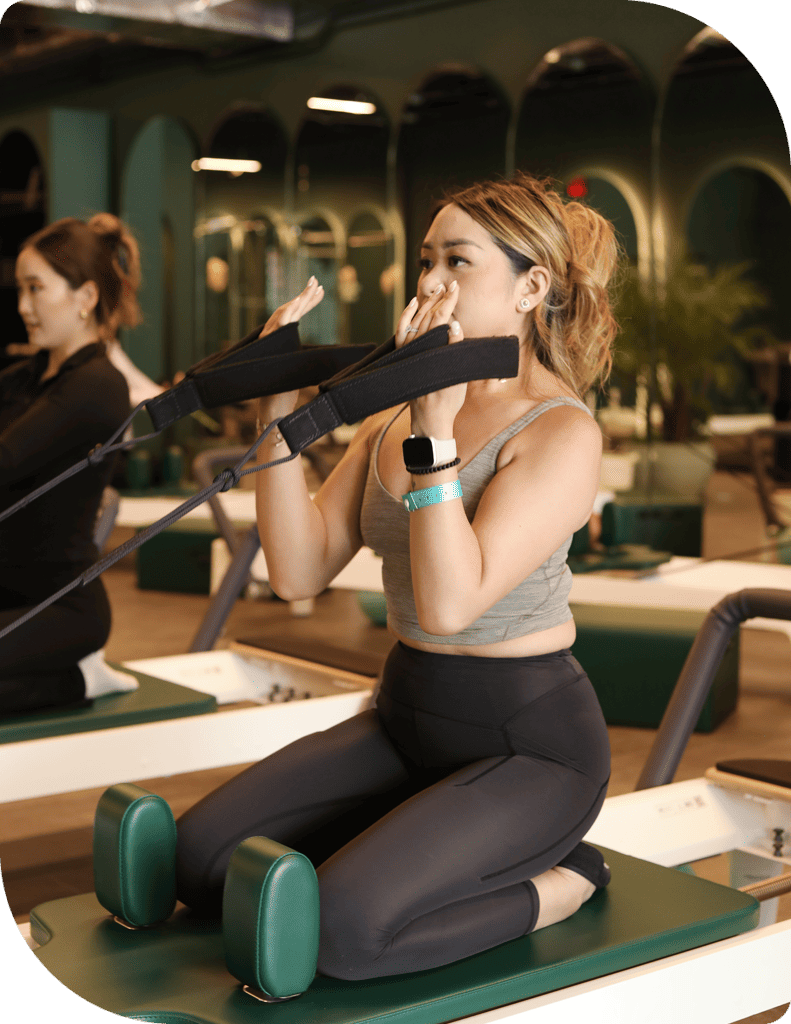
For a more equipment-based challenge, Reformer Pilates classes add spring resistance and feedback that can make core engagement easier to feel. Springs can assist you when learning a movement, then create resistance as your control improves.
Why Form Matters More Than Intensity
More intensity is not always better. If your neck is straining, your ribs are popping open, or your lower back is taking over, the exercise may be too advanced for your current control.
Modify early. Reduce your range of motion. Bend your knees. Take a short rest. These choices do not make a workout less effective; they help you train the right muscles.
Beginners can build a solid foundation in Pilates Classic Beginners classes, where thoughtful instruction helps you learn breath, alignment, and core engagement from day one.
Practical Tips for Building Stronger Pilates Abs
Consistency beats occasional marathon workouts. Two or three Pilates sessions each week can build meaningful core endurance over time, especially when you focus on technique.
Use These Simple Cues in Class
Try these practical reminders during your next session:
- Exhale during the hardest part of the exercise.
- Keep your shoulders away from your ears.
- Think “long spine,” not “harder crunch.”
- Move slowly enough to notice whether your pelvis shifts.
- Stop before your form disappears.
Also remember that core strength is built with recovery. Hydrate in Miami’s heat, sleep well, and give your muscles time to adapt. Pair Pilates with regular walks, protein-rich meals, and mobility work for a well-rounded wellness routine.
The best Pilates abs are not simply about appearance. They reflect a body that feels stable, capable, and ready for the movement-filled lifestyle South Florida is known for.
How Pilates Core Strength Can Improve Posture and Reduce Everyday Strain
One of the most noticeable benefits of Pilates core strength is better posture. Your core muscles help hold your ribs, pelvis, and spine in a more efficient position. When they are weak or fatigued, other areas often try to compensate.
That can mean tight hip flexors, achy lower backs, rounded shoulders, or neck tension. It is especially common for people who spend much of the day driving, working on a laptop, or looking down at a phone.
In Miami, many people balance desk work with active weekends, beach walks, tennis, paddleboarding, cycling, and strength training. A well-trained core helps make that transition easier. Instead of asking your lower back to do all the stabilizing, Pilates teaches the deep core muscles to share the work.
Core Support Starts With Alignment
Good posture is not about forcing your body into a stiff, military-style position. It is about finding a balanced alignment that lets you breathe and move comfortably.
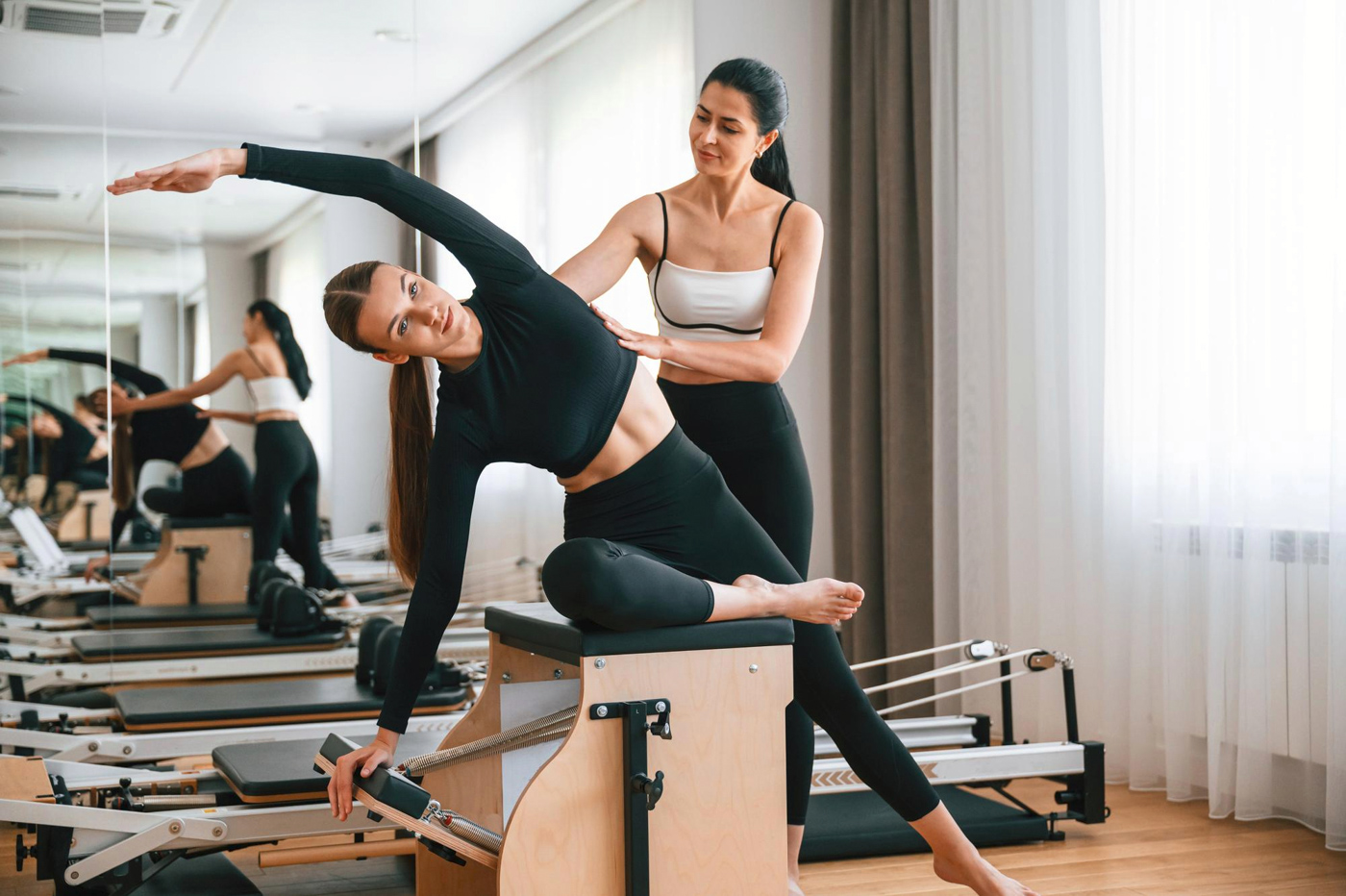
During a Pilates core workout, you learn to notice where your pelvis is, whether your ribs are flaring, and how your head sits over your shoulders. These details may seem small. Over time, they can change how you move through the rest of your day.
For example, when standing in line for coffee or carrying a beach bag, try to distribute your weight evenly through both feet. Let your ribs stack gently over your pelvis. Then take a full breath without lifting your shoulders.
That is practical core awareness.
Why Your Lower Back May Feel Better With Consistent Pilates
Pilates is not a medical treatment for back pain, and persistent pain should always be evaluated by a qualified healthcare provider. Still, many people find that core strengthening Pilates helps them feel more supported and confident in daily movement.
The reason is simple: the trunk learns to stabilize while the hips, arms, and legs move. This can reduce the habit of over-arching the lower back during exercise or everyday tasks.
Movements such as bridges, bird dogs, side-lying leg work, planks, and reformer footwork challenge the core without relying only on traditional crunches. They also encourage stronger glutes and hip muscles, which are important partners for the abdominal wall.
If you want a more individualized approach, private Pilates training can help you work on alignment, movement patterns, and personal fitness goals with focused instructor guidance.
What to Expect From Pilates Abs Training Over Time
People often ask how quickly Pilates abs will become visible. The honest answer is that visible definition depends on many factors, including genetics, nutrition, overall activity, sleep, stress, and body composition.
But strength improvements can happen sooner than appearance changes.
With regular practice, you may first notice that you can hold a plank longer, sit taller at work, or complete leg movements without your lower back lifting from the mat. You may also feel steadier in workouts that once felt wobbly or tiring.
Early Changes: Better Body Awareness
For beginners, the first major win is often awareness. You begin to recognize when your shoulders are tense, when your pelvis is shifting, or when you are holding your breath.
This awareness is a real training skill. It helps you make smarter adjustments before discomfort takes over.
At first, activating the transverse abdominis may feel subtle. That is normal. This deep muscle does not always create the same intense burn as a fast set of crunches, but it plays a major role in trunk stability. With practice, its gentle engagement becomes easier to access during challenging movements.
Long-Term Changes: More Strength That Transfers to Life
As your practice progresses, a Pilates core workout can improve endurance, coordination, and movement efficiency. You may feel stronger when lifting luggage, playing with children, gardening, or moving through a crowded South Florida airport.
Experienced practitioners can continue progressing by using longer lever positions, slower tempos, single-leg exercises, rotational challenges, and stronger reformer spring settings. The goal is not to make every exercise harder just for the sake of it. The goal is to add challenge while maintaining clean form.
Choose Progressions, Not Shortcuts
Quality progression protects your results. If you cannot keep your ribs and pelvis controlled during a full leg extension, shorten the range. If a plank causes shoulder or back strain, elevate your hands or lower your knees.
These are smart options, not setbacks.
Those ready for a more athletic class experience can explore Pilates Power classes, where dynamic sequences build strength, stamina, and full-body control while still emphasizing precise Pilates technique.
How Often Should You Do Pilates for a Stronger Core?
For most people, two to three Pilates sessions each week is an excellent starting point for building core strength. This schedule gives your body enough consistent practice to learn new movement patterns while leaving room for recovery and other activities.
A single class can leave you feeling energized. Consistency creates the lasting change.
Create a Balanced Miami Wellness Routine
Pilates works well alongside the active Miami lifestyle. You might take a reformer class twice a week, walk outdoors on cooler mornings, swim on weekends, and add one strength-training session. Air-conditioned studio workouts are also a welcome way to stay active when South Florida heat and humidity are high.
To support your results, focus on the basics:
- Practice regularly: Even shorter, focused sessions build skill over time.
- Use your breath: A steady exhale can support deep core engagement during effort.
- Train the whole body: Strong glutes, hips, back muscles, and shoulders support better core function.
- Recover well: Hydration, nutritious meals, sleep, and rest days all matter.
- Listen to your body: Sharp pain, numbness, dizziness, or symptoms that worsen should never be pushed through.
It is also helpful to vary your Pilates routine. Mat work can build body awareness, while the reformer provides spring resistance and feedback. Stretch-focused sessions can improve mobility, making it easier to access good alignment in more demanding core exercises.
Browse the full range of Pilates classes in Miami to find options that fit your experience level, schedule, and wellness goals.
Build a Core That Supports the Way You Live
Pilates core strength is not just about getting a flatter stomach or feeling an ab burn. It is about strengthening the transverse abdominis, obliques, back muscles, pelvic floor, diaphragm, and hips so they can work together as a supportive system.
That system helps you move with better posture, balance, control, and confidence. Whether you are brand new to Pilates, returning after time away, or looking to challenge an established fitness routine, core strengthening Pilates can meet you where you are.
At Backstage Pilates, welcoming instructors help Miami residents build a stronger foundation through thoughtful movement, personalized modifications, and motivating classes. Ready to feel the difference in your own body? Book your next Pilates class and start building a core that supports every move.
Frequently Asked Questions
What does Pilates core strength mean beyond getting abs?
Pilates core strength is about much more than visible abs. It trains the connected muscles around your abdomen, lower back, hips, pelvic floor, and diaphragm to support your spine and control movement. At Backstage Pilates, the focus is on breathing, alignment, and steady control—helping Miami clients feel stronger while walking, lifting, exercising, and moving through daily life.
Can beginners build a stronger core with Pilates classes?
Yes. Pilates is an effective way for beginners to build core strength because movements can be adjusted to match your current ability. You do not need to do endless crunches or start with advanced planks. Backstage Pilates Classic Beginners classes teach foundational breathing, alignment, and core engagement so you can develop control gradually while keeping your neck, shoulders, and lower back relaxed.
How often should I do Pilates to strengthen my core?
Two or three Pilates sessions per week can build meaningful core endurance over time when you practice with consistent technique. Focus on controlled movement rather than rushing through repetitions. Recovery matters, too: stay hydrated in Miami’s heat, sleep well, and allow your muscles time to adapt. Regular Pilates can complement walking, strength training, running, tennis, cycling, and other active South Florida routines.
Does Reformer Pilates help strengthen deep core muscles?
Yes. Reformer Pilates uses spring resistance and moving-carriage feedback to help you notice how your core supports your ribs, pelvis, and spine. During leg work, planks, and controlled movement patterns, your deep abdominal muscles work to prevent unwanted rocking or arching. Springs can provide assistance while you learn, then add resistance as your stability and control improve.
Why does my neck or lower back hurt during ab exercises?
Neck or lower-back strain can be a sign that an exercise is too challenging for your current level of core control or that your form needs adjustment. Try reducing your range of motion, bending your knees, resting briefly, and keeping your shoulders relaxed. At Backstage Pilates, instructors emphasize modifications and precise cues so you can train the right muscles without relying on tension or momentum.
Can Pilates help with posture and everyday movement in Miami?
Yes. Pilates strengthens the deep muscles that help stabilize your spine and pelvis before and during movement. This can support taller posture, safer rotation, better balance, and more controlled movement for daily activities such as desk work, carrying groceries, or walking along the Miami Beach boardwalk. Pilates also balances the front and back of the body, helping you feel supported instead of stiff.