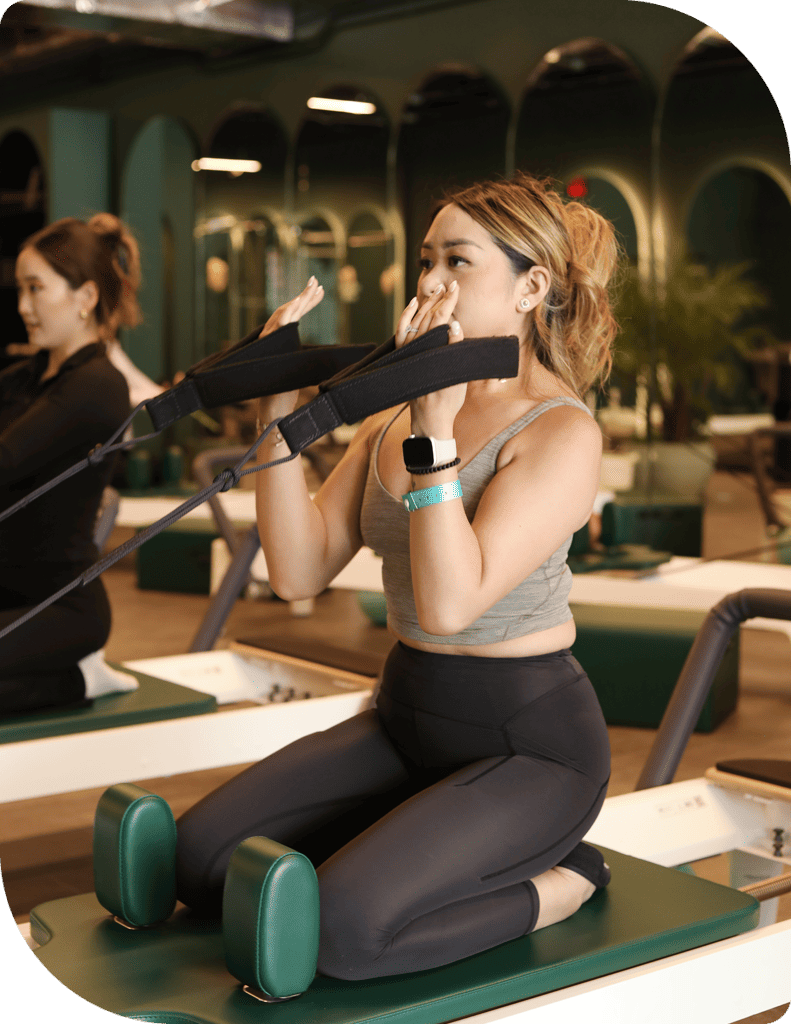
Pilates can support lower back comfort by building core strength, improving mobility, and teaching healthier movement patterns. Learn which Pilates exercises may help, what to avoid during flare-ups, and how Miami residents can train safely for stronger, more comfortable daily movement.
Lower back pain can make ordinary things feel difficult. Sitting at a desk, carrying groceries, driving across Miami, or getting up after a beach day may all trigger stiffness or discomfort. While every body and diagnosis is different, Pilates for back pain can be a smart, low-impact way to rebuild strength, mobility, and confidence.
The goal is not to push through pain. It is to move with control. Pilates focuses on alignment, breathing, deep core support, and balanced strength—key elements for people who want lasting back pain relief Pilates can help support. Whether you are brand new or returning after time away from exercise, the right approach matters.
Why Pilates Can Help With Lower Back Pain
Pilates is not a cure for every cause of back pain, but it can be helpful for many people with mild, recurring, or posture-related discomfort. Instead of relying on fast, high-impact movements, Pilates trains the muscles that support your spine during everyday life.
It strengthens the deep core
Your core is more than your abs. It includes the deep abdominal muscles, pelvic floor, diaphragm, back muscles, and hips. These muscles work together to stabilize the pelvis and lumbar spine.
When this support system is weak or unbalanced, the lower back may do too much work. Pilates lower back training teaches you how to gently engage the deep core without gripping, holding your breath, or flattening your spine aggressively. This can reduce unnecessary strain during movement.
Exercises such as pelvic tilts, heel slides, bridges, and modified dead bugs are often used as beginner-friendly back pain exercises. The details matter, though. A small, controlled movement with good alignment is often more effective than a bigger movement performed without support.
It improves posture and body awareness
Many Miami professionals spend long hours sitting, commuting, or working from laptops between meetings. Even an active lifestyle can include plenty of poor posture. Over time, slouching, leaning into one hip, or standing with locked knees may contribute to tension around the lower back.
Pilates builds awareness of how you sit, stand, bend, and rotate. You learn to notice rib position, pelvic alignment, shoulder tension, and the way your feet connect to the floor. Better awareness supports better choices outside the studio, too.
For a foundation in alignment and controlled movement, explore our Pilates beginner classes. A structured class can help you learn the basics before progressing to more challenging work.
It supports mobility without forcing flexibility
Stiff hips, tight hamstrings, and limited upper-back rotation can change how the lower back moves. Pilates spine health work encourages mobility in the areas designed to move while keeping the lower back stable when it needs support.
This distinction is important. More stretching is not always better. If your low back already feels unstable or irritated, aggressively stretching into pain may make symptoms worse. Pilates uses controlled mobility drills, breath, and gentle strengthening to help restore more balanced movement.
Pilates Back Exercises That May Help
The best Pilates back exercises are usually the ones you can perform with steady breathing, good form, and no sharp or increasing pain. Start slowly. Your goal is consistency, not exhaustion.
Pelvic tilts and neutral spine practice
Pelvic tilts are small movements performed lying on your back with knees bent. They can help you understand the relationship between your pelvis and low back. Some people feel relief by gently moving between a slightly flattened back and a natural, neutral spinal curve.
Neutral spine does not mean forcing one “perfect” posture. It means finding a comfortable, supported position where your ribs, pelvis, and back can work together. This is a core skill in Pilates for back pain.
Glute bridges
A bridge strengthens the glutes, hamstrings, and deep abdominal muscles. Strong glutes can take pressure off the lower back during walking, climbing stairs, and lifting.
Bridge form tips
- Keep both feet hip-width apart and press evenly through them.
- Exhale as you gently lift your hips.
- Stop before your back arches or your ribs flare upward.
- Lower with control rather than dropping down quickly.
If bridges create pinching, cramping, or pain, reduce the height or ask an instructor for a modification. A personalized setup can make a major difference.
Bird dog and opposite-arm, opposite-leg reach
These movements challenge stability while the arms and legs move. They teach the trunk to resist twisting and arching, which is useful for real life. Think of reaching long rather than lifting high.
For many people, starting with only one limb moving at a time is the right choice. Quality comes first. An experienced teacher can adapt these back pain exercises to your current strength and mobility.
Gentle spinal mobility
Cat-cow, thread-the-needle, and supported rotation may feel good when done carefully. These exercises can ease stiffness through the upper and middle back, which may reduce the urge to over-move from the lumbar spine.
Our Pilates stretch classes are a supportive option for people who want to improve mobility with mindful guidance. They can complement strength-focused sessions, especially after long days at a desk or intense South Florida activities.
What to Avoid When Your Back Is Sensitive
A challenging workout is not automatically a helpful workout. During a flare-up, certain movements may need to be modified, reduced, or temporarily avoided. This is especially true if you are new to Pilates or have not been assessed by a qualified health professional.
Avoid pushing through sharp, radiating, or worsening pain
Muscle effort can be normal. Sharp pain is not. Stop if discomfort travels down your leg, causes numbness or tingling, increases after each repetition, or feels distinctly different from ordinary muscle fatigue.
Seek medical guidance promptly for severe pain after an injury, unexplained weakness, changes in bladder or bowel control, fever, or pain that does not improve. Pilates should be part of a thoughtful wellness plan, not a replacement for medical care.
Be careful with forceful flexion and deep twists
Traditional abdominal curls, roll-ups, and twisting exercises can be appropriate for some people. However, they may be uncomfortable for others, particularly during an active low-back flare-up or with certain disc-related conditions.
Do not assume you need to avoid all spinal movement forever. Instead, choose the range and variation that your body tolerates well. A smaller curl or a supported version may be more useful than forcing a full roll-up.
Skip fast progressions and heavy resistance
Advanced reformer springs, fast transitions, loaded rotations, and high-repetition core work can challenge the back before your stabilizing muscles are ready. This is a common mistake for active people who are used to powering through workouts.
Private instruction offers a more focused route forward. In a private Pilates training session, an instructor can adjust spring resistance, range of motion, and exercise choices around your goals and comfort level.
How to Build a Back-Friendly Pilates Routine
For most people, two or three consistent sessions per week is more valuable than one intense workout followed by several days of soreness. Begin with fundamentals, then progress as your control improves.
Use these simple guidelines
- Warm up before challenging your core or hips.
- Move slowly enough to maintain calm, steady breathing.
- Keep the range of motion comfortable and controlled.
- Prioritize hip and upper-back mobility alongside core strength.
- Tell your instructor about past injuries, current symptoms, and medical recommendations.
Reformer Pilates can be especially useful because the equipment provides support and resistance that can be adjusted to your needs. Explore Reformer Pilates classes in Miami to experience guided movement that meets you at your current level.
Back pain relief Pilates supports often comes from the small things done repeatedly: better sitting habits, stronger glutes, more mindful breathing, and a core that knows how to support movement. With patient instruction and consistent practice, Pilates can help you move through Miami life with greater strength, freedom, and comfort.
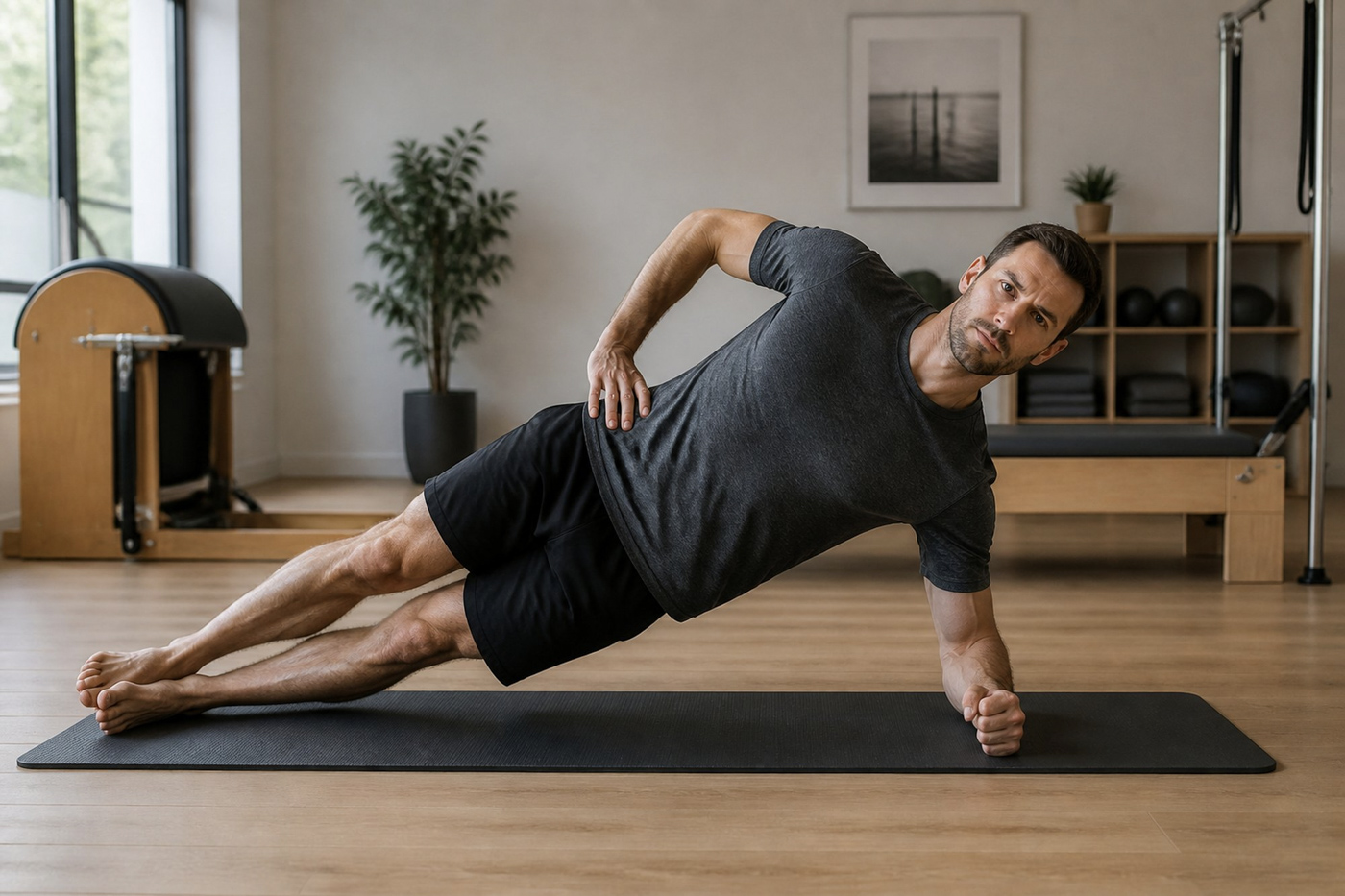
When to Choose a Beginner Class or Private Pilates Session
Choosing the right Pilates format is an important part of protecting your back. A class that feels supportive, well-paced, and appropriate for your current ability can make a meaningful difference in how your body responds.
If you are dealing with ongoing stiffness, have recently been cleared to return to exercise, or simply feel unsure about movement, start with the basics. Pilates is not about keeping up with the person on the next reformer. It is about learning how your own body moves best.
Beginners benefit from slow, skill-based practice
For someone new to Pilates for back pain, a beginner-level class is often the best place to start. You can learn foundational skills such as diaphragmatic breathing, neutral pelvis, rib control, and gentle core engagement before adding faster sequences or heavier resistance.
These early lessons create a stronger base for future Pilates back exercises. They also help you understand when a movement feels like healthy muscle work and when it feels like strain.
Our beginner Pilates classes in Miami offer a welcoming environment for people who want to build confidence while improving strength and mobility. Instructors can provide options that help you stay active without overloading a sensitive lower back.
Private sessions provide more personalized support
Group classes can be excellent, but some situations call for more individual attention. A private session may be especially useful if you have a past injury, a diagnosed spinal condition, uneven strength from side to side, or pain that appears during specific movements.
During one-on-one Pilates instruction, your teacher can observe your movement patterns more closely. Small changes can have a big effect. Adjusting your foot position, changing your spring resistance, using a prop, or shortening the range of motion may help a familiar exercise feel much better.
This focused approach is valuable for back pain relief Pilates programs because it avoids a one-size-fits-all routine. Your body may need more hip stability, more thoracic mobility, or a gentler strategy for abdominal work. Personalized guidance helps identify the most useful place to begin.
Experienced practitioners should still respect flare-ups
Even advanced Pilates students can experience lower back discomfort. Long travel days, extra time at a desk, poor sleep, stress, a new gym routine, or a weekend of paddleboarding and beach activities can all affect how the body feels.
During those times, scale back without guilt. Choose controlled footwork, supported bridges, gentle mobility, and carefully coached core work over intense teaser variations, deep backbends, or fast abdominal series. Consistency matters more than intensity.
A strong Pilates practice includes knowing when to progress and when to simplify.
Everyday Habits That Support Pilates Spine Health
Pilates can improve strength and movement quality, but your habits between workouts matter, too. Most people do not develop discomfort from one movement alone. Back pain often reflects repeated positions, stress, fatigue, and lack of movement throughout the day.
Break up long periods of sitting
Miami professionals may spend hours at a computer, in traffic, or moving between meetings. Sitting is not automatically harmful, but staying in one position for too long can leave the hips and lower back feeling stiff.
Try standing up every 30 to 60 minutes. Walk for a few minutes, roll your shoulders, take several deep breaths, or perform a few gentle pelvic tilts while standing. You do not need a complete workout break. Frequent movement snacks are enough to help.
Quick desk reset for your back
- Place both feet flat on the floor rather than crossing your legs for long periods.
- Let your shoulders relax away from your ears.
- Keep your screen close to eye level when possible.
- Use your exhale to gently engage your deep abdominal muscles.
- Stand and stretch your hips before discomfort builds.
These simple habits support the body awareness you develop in Pilates. Over time, better posture becomes less about forcing yourself to sit perfectly and more about changing positions often.
Learn safer bending and lifting mechanics
Daily life includes lifting laundry baskets, shopping bags, strollers, suitcases, and gym equipment. A Pilates-informed approach can make these tasks feel more manageable.
When lifting, move close to the object first. Bend through your hips and knees instead of rounding quickly from your lower back. Exhale as you stand, keep the load close to your body, and avoid twisting while carrying weight. Turn with your feet instead.
These are practical applications of back pain exercises. The strength you build in the studio should help you feel more capable in real life, whether you are loading groceries after a Miami farmers market visit or packing for a South Florida weekend getaway.
Support recovery with sleep, hydration, and stress management
Stress can increase muscle tension, especially around the neck, shoulders, and lower back. Poor sleep can also make discomfort feel more intense. Pilates breathing may help you slow down and reconnect with your body, but recovery also includes the basics.
Drink water throughout humid Miami days, especially after outdoor activities. Prioritize sleep when possible. Choose gentle walks, easy mobility work, and calm breathing on days when a hard workout does not feel right.
Movement should support your energy, not drain it.
How to Progress Pilates Lower Back Training Safely
As your control improves, your routine can become more challenging. The key is gradual progression. Stronger does not always mean using the heaviest springs or performing the biggest range of motion.
Add challenge one variable at a time
For example, you might first improve your bridge alignment before lifting one heel. Later, you may add a light arm movement or a different reformer spring. Changing only one element at a time makes it easier to notice how your back responds.
This approach is especially helpful with Pilates lower back work. It allows the deep core, hips, and spinal stabilizers to adapt without sudden overload.
Track how you feel after class
Pay attention to your symptoms later that day and the following morning. Mild muscle fatigue can be normal, particularly when you are returning to activity. However, pain that lingers, intensifies, or starts radiating may mean the exercise was too advanced or needs a different modification.
A helpful rule is this: you should feel challenged during Pilates, but generally more open, steady, and capable afterward.
Use professional guidance when needed
Medical providers, physical therapists, and trained Pilates instructors each play different roles. If you have persistent or unexplained pain, get medical advice before beginning a new exercise routine. Once cleared for movement, Pilates can complement your care plan with low-impact strength, mobility, and alignment training.
At Backstage Pilates, we believe thoughtful movement should be accessible at every fitness level. Our instructors help clients modify back pain exercises, build better body awareness, and progress with confidence in a supportive studio setting.
Move Better, Feel Stronger, and Care for Your Back
Pilates for back pain is most effective when it is patient, consistent, and personalized. Focus on deep core support, glute strength, controlled mobility, and movements that feel good in your body. Avoid forcing stretches, rushing progressions, or treating pain as something to ignore.
For Miami residents who want a smart, low-impact path toward stronger daily movement, Pilates can be a powerful part of a complete wellness routine. Explore the Pilates classes at Backstage Pilates and find a class format that supports your goals, experience level, and spine health.
Ready for more comfortable movement? Contact Backstage Pilates or book a session to experience expert guidance, welcoming instruction, and a stronger foundation for life in Miami.