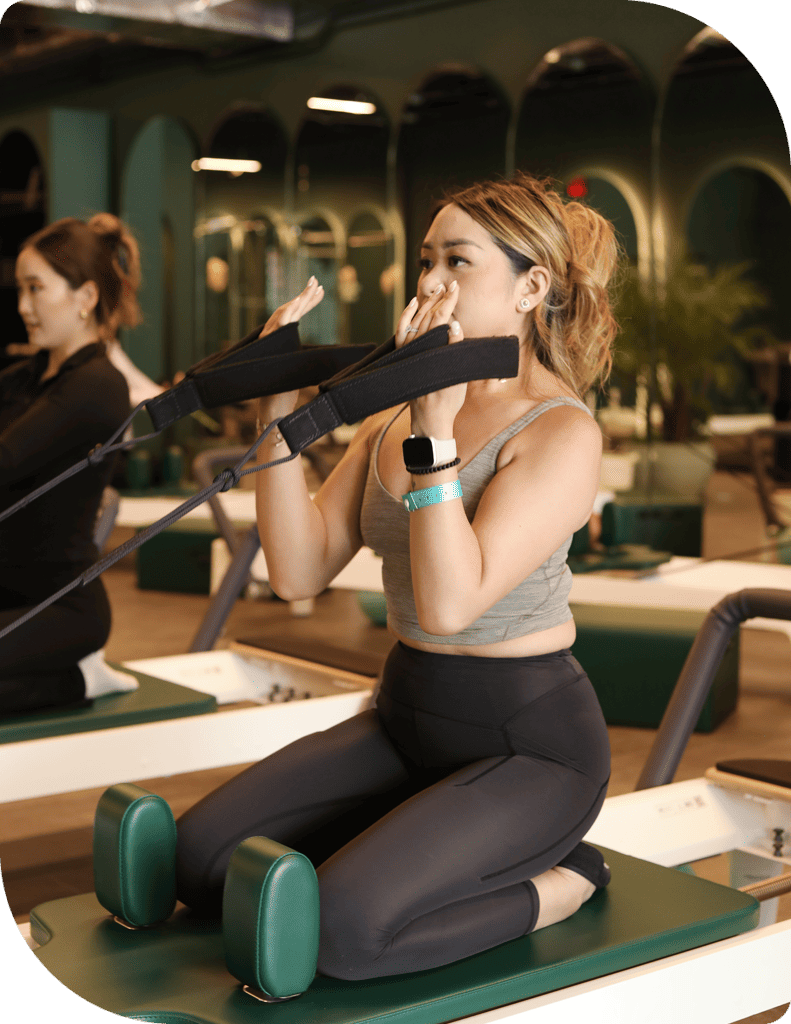
Qualified Pilates instructors do more than lead exercises. They assess movement, breathing, alignment, goals, and safety at every stage. Learn what strong Pilates instructor qualifications look like, which teaching skills matter most, and how to choose a teacher who supports your progress in Miami.
What Qualified Pilates Instructors Look for Before You Begin
Great Pilates starts with observation. Before a class gets moving, qualified Pilates instructors are already gathering useful information. They notice how you stand, sit, walk, and approach the equipment. These details help them create a safer, more effective experience.
In Miami’s active wellness culture, many people come to Pilates with different needs. One person may be training for a tennis match. Another may want relief from long workdays, travel, or tight hips after running along the beach. A thoughtful instructor does not use a one-size-fits-all plan.
Posture, alignment, and everyday movement patterns
A good Pilates teacher watches your posture from the beginning. Are your shoulders rounded forward? Does one hip shift higher than the other? Do your knees turn inward when you squat or stand? These are not reasons for judgment. They are clues.
Qualified Pilates instructors use these clues to select appropriate exercises, springs, props, and modifications. For example, someone with tight shoulders may need extra support during arm work on the Reformer. A client who tends to grip through the neck may benefit from a smaller range of motion and clearer breath cues.
They also look for balance between mobility and stability. Flexibility alone is not the goal. You need control around your joints, especially at the spine, hips, knees, and shoulders. This is one reason Pilates can complement an active South Florida lifestyle so well.
Health history and current concerns
Strong pilates teaching standards include asking the right questions. An instructor should want to know about recent injuries, surgeries, pregnancy, chronic pain, dizziness, or physical therapy recommendations. They should also ask about your goals.
A beginner may simply want to feel stronger. An experienced practitioner may want better core control, improved performance, or a more challenging routine. Both goals matter, but they require different coaching.
If you are new to the method, a Pilates class for beginners can be a supportive place to learn the fundamentals at a steady pace. The right teacher explains what to do, why it matters, and how the movement should feel in your own body.
A quick safety check matters
Qualified Pilates instructors do not diagnose medical conditions. However, they recognize when a movement needs to be adjusted, paused, or referred to a medical professional. Sharp pain, numbness, dizziness, and joint instability should never be ignored just to keep up with a class.
Good coaching feels encouraging, not reckless.
Pilates Instructor Qualifications That Support Safe, Skilled Teaching
When choosing an instructor, credentials are an important starting point. Pilates instructor qualifications can vary, but quality education should include anatomy, movement principles, exercise technique, equipment training, observation, and supervised teaching practice.
A certification alone does not tell the whole story. Still, it shows that an instructor has invested time in understanding the Pilates method and the responsibility of leading others through movement.
Comprehensive training and continuing education
Well-prepared instructors study more than a list of exercises. They learn how to teach different bodies, modify movements, cue effectively, and work with common limitations. They should understand the purpose of the Reformer, Cadillac, chair, mat, barrels, and smaller props when those tools are used.
Continuing education is equally valuable. Fitness knowledge evolves, and experienced instructors keep learning. They may deepen their understanding of prenatal movement, postnatal recovery, athletic conditioning, mobility, aging well, or working alongside rehabilitation professionals.
For clients, this means more informed choices. You can expect a teacher to offer options rather than forcing everyone into the same shape or range of motion.
Knowledge of the Pilates method, not just the workout
Pilates can absolutely make you sweat. But it is more than fast transitions and difficult choreography. A trained teacher understands key principles such as concentration, control, breath, precision, flow, and center.
Those principles guide every level, from a first mat exercise to advanced Reformer work. At Reformer Pilates classes, for instance, an instructor should explain how spring resistance can support movement or make it more demanding. More resistance is not always better. The best setting depends on the exercise and the person doing it.
This knowledge is what separates a random workout from intentional Pilates instruction. It also helps students build lasting body awareness instead of relying on momentum.
Clear boundaries and professional judgment
Professionalism is one of the most overlooked pilates instructor skills. A reliable instructor arrives prepared, maintains a clean and organized space, respects privacy, and communicates honestly about what Pilates can and cannot do.
They should never promise to “fix” an injury or pressure you to push through pain. Instead, they help you build strength progressively while encouraging you to seek medical guidance when necessary.
At Backstage Pilates, our Pilates instructors bring expertise, attentive coaching, and a welcoming approach to every session. That combination helps create an environment where Miami clients can feel challenged while still feeling supported.
The Pilates Instructor Skills You Feel During Class
Some qualities are easy to spot on paper. Others become clear the moment class begins. A good Pilates teacher can make a complex movement feel understandable without oversimplifying it.
Precise cues that make sense
Clear communication is essential. Instead of saying “engage your core” without context, a skilled instructor may guide you to gently connect your ribs, pelvis, breath, and deep abdominal support. They use language that helps you feel the action.
The best cues are not always long. Sometimes one short reminder changes everything: “Soften your shoulders.” “Press evenly through both feet.” “Exhale as you move.”
Strong teachers also understand that people learn differently. One client needs a visual demonstration. Another responds to a hands-off verbal cue. Someone else may need to slow down and repeat the movement before it clicks.
Smart modifications and meaningful progressions
Modifications are not “easier” versions for people who are behind. They are intelligent adjustments that make an exercise appropriate for your body today. Progressions, meanwhile, build challenge once you have the control to handle it.
This is especially important in group settings. A skilled instructor can offer several choices without making anyone feel singled out. That is a major sign of high pilates teaching standards.
Private instruction can be especially useful if you have a specific goal, are returning after time away, or want more individual attention. Explore private Pilates training to work closely with an instructor on movement quality, confidence, and personal progress.
Attention that continues throughout class
Choosing an instructor should include noticing how they teach from start to finish. Do they scan the room? Do they offer form corrections respectfully? Do they check whether students understand the setup before adding intensity?
Qualified Pilates instructors keep observing. They may adjust a spring, suggest a lighter option, or encourage a client to take a breath and reset. These small moments protect technique and help students get more from every repetition.
Whether you are brand new to Pilates or ready for a deeper challenge, the right instructor helps you move with purpose. That is where meaningful strength begins.
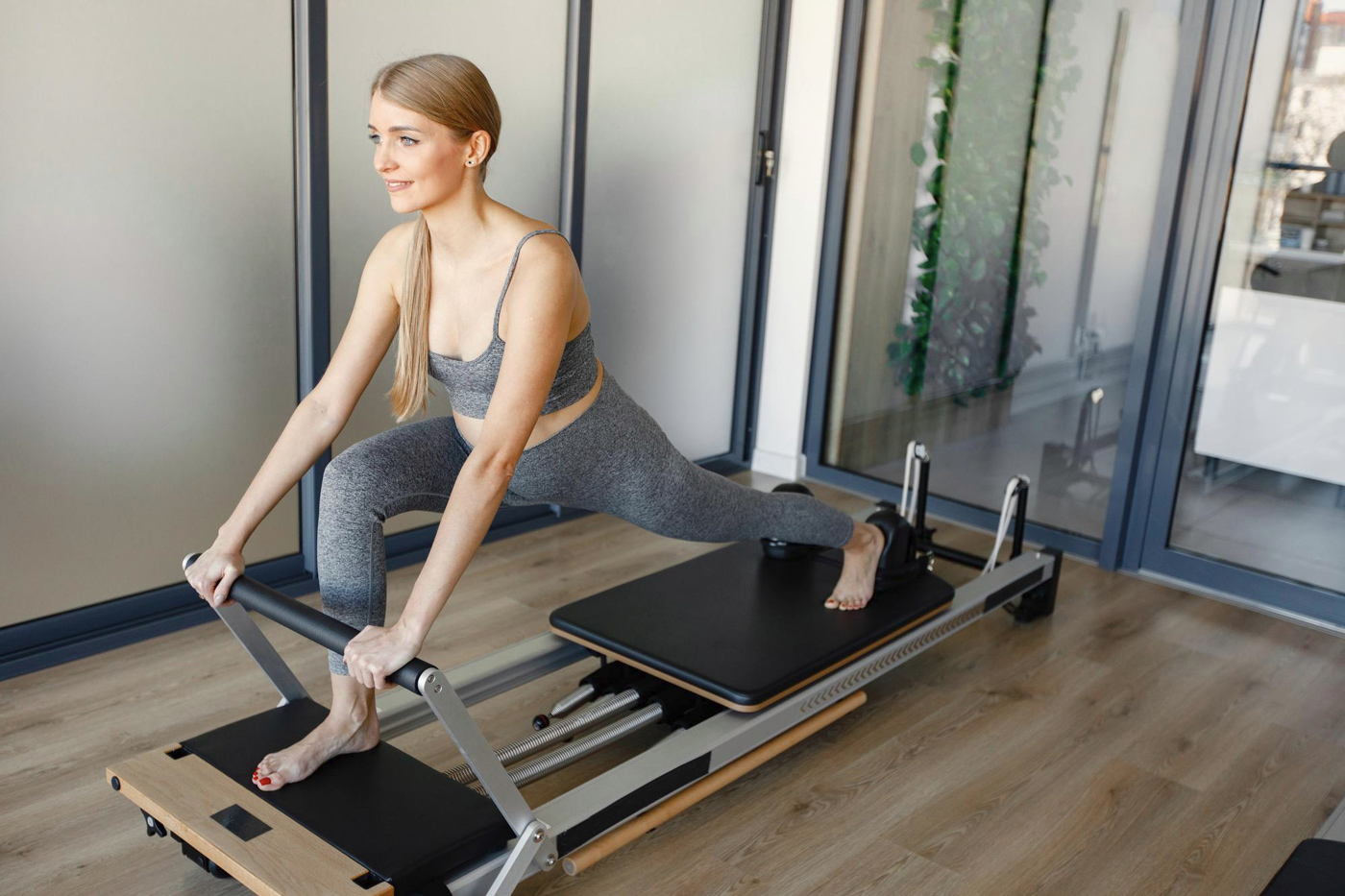
How a Good Pilates Teacher Builds Trust and Confidence
Technique matters, but trust matters too. A good Pilates teacher creates a space where clients can ask questions, take breaks, and learn without feeling embarrassed. This is especially important for beginners who may feel unsure around Reformers, springs, or unfamiliar Pilates terms.
In a welcoming Miami studio, you should never feel pressured to perform for the room. Pilates is personal. Some days you may feel strong and ready for a challenge. On other days, stress, poor sleep, travel, or a demanding work schedule may affect how your body moves.
Qualified Pilates instructors recognize those changes and respond with care.
They listen before they correct
Hands-on corrections and verbal feedback can be useful, but good instruction begins with consent and communication. A teacher should explain what they see, ask how an exercise feels, and offer a clear option rather than assuming every body needs the same correction.
For example, a client may have limited shoulder mobility because of an old injury, while another simply needs help finding better posture. Both may look similar during an exercise, but their needs are different. Strong Pilates instructor skills include knowing when to cue, when to demonstrate, and when to let a client explore a movement safely.
Good teachers also avoid overwhelming students. Too many cues at once can make a simple exercise feel confusing. Instead, they prioritize the most important adjustment first, such as steady breathing, pelvic alignment, or relaxed shoulders.
Respectful coaching makes progress easier
The best feedback is specific, supportive, and useful. A qualified instructor might say, “Try making the movement smaller so you can keep your ribs connected,” rather than simply telling you that something is wrong.
This approach builds awareness instead of fear. Over time, students learn to notice their own habits and make better movement choices outside the studio as well.
They know the difference between effort and pain
Pilates can be challenging. Muscles may shake, your core may work hard, and a controlled sequence can feel intense. Still, pain is not the same as effort.
Qualified Pilates instructors teach clients to recognize that difference. Muscle fatigue may be expected during a challenging set. Sharp pain, pinching, numbness, sudden weakness, or dizziness are signs to stop and speak up. A teacher who takes these concerns seriously demonstrates sound judgment and professional Pilates teaching standards.
This level of attention is valuable for everyone, from a first-time client to an experienced athlete. It helps people train consistently, rather than pushing too hard and needing to take long breaks from movement.
Choosing an Instructor for Your Goals and Experience Level
Choosing an instructor is not only about finding someone with a certification. It is about finding a professional whose teaching style, experience, and class format fit your needs. The right match can make Pilates feel more approachable and help you stay consistent.
Miami and South Florida offer plenty of fitness options, from outdoor workouts to high-energy strength classes. Pilates can complement that active lifestyle by improving body awareness, mobility, balance, and controlled strength. However, your experience will depend greatly on the person guiding the session.
Questions to ask before booking a class
Before attending a class or private session, consider a few practical questions:
- Does the instructor have comprehensive Pilates training and ongoing education?
- Do they have experience working with beginners, athletes, prenatal clients, or people returning from injury?
- Are modifications offered throughout class?
- Is the pace right for your current fitness level?
- Do they explain equipment setup and safety clearly?
You do not need to interview an instructor formally. A quick conversation before class can provide helpful answers. You can also review a studio’s instructor bios, class descriptions, and policies before your first visit.
If you are unsure where to start, reviewing a Pilates beginner’s guide can help you understand what to expect, what to wear, and how to prepare for your first session.
Group classes versus private instruction
Group Pilates classes can be motivating, social, and energizing. They are a great way to develop a regular practice while learning alongside other members of the Miami wellness community. A skilled instructor keeps the group moving while providing choices for different abilities.
Private sessions offer a different kind of value. They allow more time for detailed assessment, personalized programming, and focused feedback. If you have a specific movement goal, an injury history, or want to feel more confident before joining a group class, one-on-one instruction can be a smart first step.
Neither format is automatically better. The best option depends on your goals, budget, schedule, and comfort level. Many clients enjoy combining both: private sessions for personal guidance and group classes for consistency and community.
Look for teaching that evolves with you
Your ideal class should not feel exactly the same forever. As your stability, strength, and confidence improve, your instructor should offer thoughtful progressions. That may mean changing spring resistance, adding coordination challenges, increasing range of motion, or introducing more advanced variations when your form is ready.
At the same time, advanced does not always mean faster or more complicated. Sometimes the most challenging work is slowing down, breathing fully, and maintaining alignment through a precise movement.
A good Pilates teacher helps you understand that quality comes before intensity. This mindset supports long-term progress, whether you enjoy beach walks, golf, running, strength training, or simply want to move more comfortably through daily life.
Why Pilates Teaching Standards Matter for Long-Term Results
High Pilates teaching standards protect the integrity of the method and the well-being of every client. They help ensure that classes are more than trendy workouts. They become opportunities to learn, build strength, and develop habits that support a healthier life.
For Miami residents, year-round access to fitness can be a major advantage. Yet South Florida heat and busy schedules can also make recovery, hydration, and sustainable routines more important. An attentive instructor can help you choose an appropriate level of effort, especially when you are arriving from outdoor activities or a long day at work.
Consistency beats perfection
You do not need perfect flexibility, advanced experience, or a certain body type to benefit from Pilates. What matters most is showing up, paying attention, and working at a level that feels both safe and challenging.
Qualified Pilates instructors make consistency more realistic because they can adapt sessions to your current needs. They help clients find a path forward after time away, during stressful seasons, or when motivation is low.
Over time, that consistent practice can support better posture, core strength, mobility, coordination, and confidence. The benefits often show up beyond class, from lifting groceries with more ease to sitting more comfortably at a desk.
Find instruction that puts you first
When choosing an instructor, look beyond a tough workout or impressive social media video. Seek knowledge, clear communication, smart progressions, and genuine attention. Those are the qualities that define qualified Pilates instructors and create a better experience at every level.
Backstage Pilates offers expert guidance in a supportive, welcoming setting for beginners, experienced practitioners, and everyone in between. Explore the Pilates class options, find a session that fits your goals, and book your next class to experience purposeful movement with skilled Miami instructors.