Wall Pilates uses a sturdy wall as a supportive fitness tool for classic Pilates exercises. Learn what Wall Pilates is, how it works, its potential benefits, who it may suit, and how Miami residents can safely add this accessible workout style to their wellness routine.
What Is Wall Pilates?
What is Wall Pilates? Wall Pilates is a Pilates-inspired workout that uses a wall for balance, resistance, alignment feedback, and support. Instead of relying only on a mat, you place your feet, hands, back, or legs against a wall while performing controlled movements.
The simple Wall Pilates meaning is Pilates performed with the wall as a prop. It can make familiar exercises feel very different. A wall gives you a stable surface to press into, which may help you notice your posture, activate your core, and move with greater awareness.
Many people discover Wall Pilates through short online videos. It looks easy at first. Yet a well-taught Pilates wall workout can challenge the abdominals, glutes, inner thighs, arms, and postural muscles without high-impact jumping or heavy weights.
Wall Pilates is not a replacement for the Pilates method or for professional instruction. It is one approachable way to explore Pilates principles: breath, concentration, control, precision, balanced muscle development, and flowing movement. To understand the foundation behind these principles, read more about what Pilates is and how it supports total-body strength.
How the Wall Changes the Exercise
A wall provides instant feedback. For example, when your back is against the wall, it can help you feel whether your ribs are flaring forward or whether your pelvis is shifting out of a comfortable neutral position. When your feet press into the wall during a bridge, you have a firm surface that can encourage leg and glute engagement.
That support can be useful. It can also make an exercise harder.
Pressing your heels into a wall during leg work creates resistance through the lower body. Holding your legs up the wall can challenge abdominal control while reducing strain on the neck. A wall-supported squat may help you learn better knee and hip tracking, but it still requires attention to form.
Wall Pilates vs. Reformer Pilates
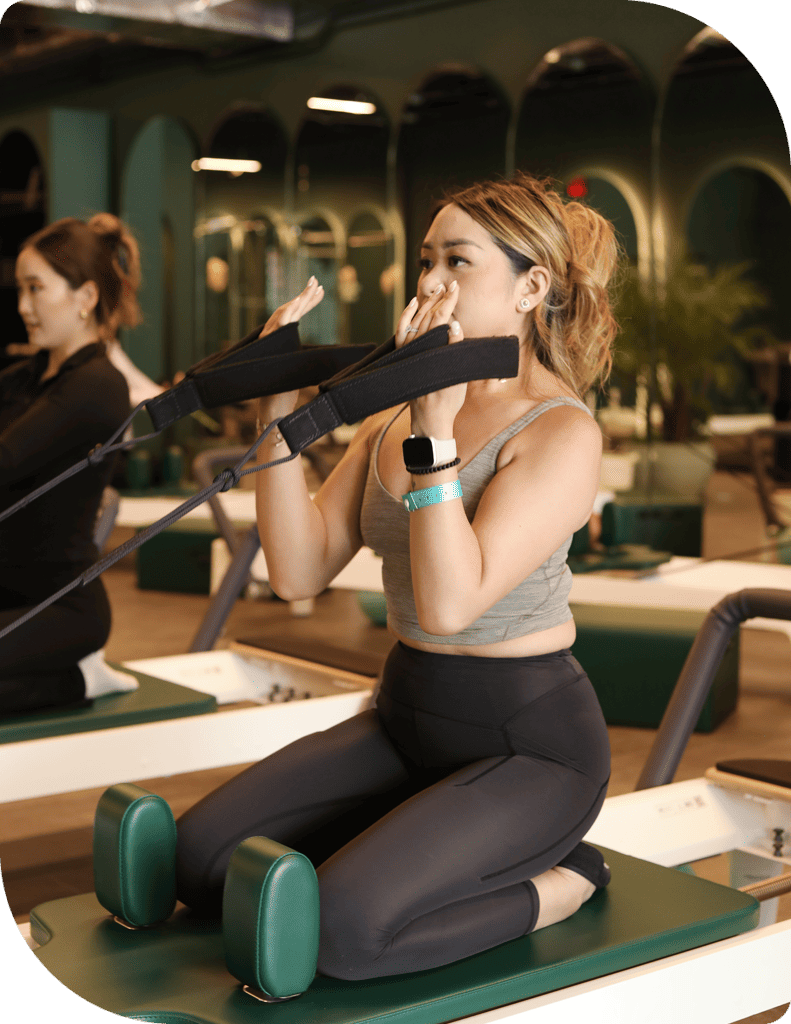
Wall Pilates and Reformer Pilates both use resistance and body awareness, but they are not the same. A Reformer has springs, straps, a moving carriage, and adjustable settings. These features allow for a wider range of exercises and resistance choices.
In Wall Pilates, the wall stays still. Your body creates most of the challenge through leverage, gravity, isometric holds, and deliberate muscle engagement. It is convenient for home practice, but it cannot fully duplicate the guided resistance and versatility of a Reformer.
For a more complete equipment-based experience, explore Reformer Pilates classes at Backstage Pilates. Instructors can help you progress safely while adapting movements to your goals, experience level, and mobility.
What Are the Main Wall Pilates Benefits?
The biggest Wall Pilates benefits come from consistency and quality of movement, not from rushing through a viral routine. When practiced with sound technique, Wall Pilates can support strength, mobility, posture, and body awareness.
Core Strength and Stability
Pilates is known for developing the deep muscles that support the trunk, including the abdominals, back, hips, and pelvic floor. The wall gives you an external point of contact, which can make it easier to understand how to stabilize your torso while your arms or legs move.
For example, lying on your back with feet on the wall can help you practice tabletop variations, heel presses, bridges, and controlled leg extensions. The goal is not to flatten your spine aggressively. Instead, focus on creating a strong, supported center while breathing smoothly.
Better Posture and Alignment Awareness
Miami life can be active, but long drives, desk work, travel, and phone use still affect posture. Wall exercises can reveal common habits, such as rounded shoulders, a forward head position, or weight shifted more into one hip.
Standing against a wall during arm reaches or roll-down preparations gives you clear feedback about your alignment. You may notice that one shoulder lifts higher or that your ribs pop forward when you raise your arms. Awareness is the first step toward change.
Low-Impact Muscle Conditioning
A Pilates wall workout is generally low impact because it does not require running, jumping, or pounding on the joints. That makes it appealing to people who want a controlled strength workout with less stress on the knees and ankles.
Still, low impact does not mean effortless. Small pulses, slow repetitions, and sustained holds can create real muscular fatigue. The key is to move with control and stop before form breaks down.
Convenience for Home Wellness
Wall Pilates needs very little equipment. You need clear floor space, a solid wall, comfortable clothing, and ideally a non-slip mat. This makes it a practical option for busy South Florida professionals, parents, and anyone who wants a short movement break between work, errands, and time outdoors.
At the same time, an at-home wall routine works best as part of a balanced fitness plan. In-person instruction helps you build a stronger foundation and prevents you from repeating poor movement patterns. Backstage Pilates offers a range of Pilates classes in Miami for people who want personalized guidance in a motivating studio setting.
Who Is Wall Pilates For?
Wall Pilates can work for many fitness levels because exercises can be adjusted. Beginners may use the wall for confidence and stability. Experienced practitioners can use it to increase control, range of motion, and time under tension.
Beginners Learning Pilates Basics
If you are new to Pilates, the wall can make certain positions feel more secure. It offers a steady reference point when you are learning how to engage your core, organize your posture, and coordinate breath with movement.
Start slowly. Choose a few basic movements rather than trying a 30-minute routine packed with advanced variations. Bridges, supported squats, wall push-ups, calf raises, and gentle hip mobility drills are often more appropriate starting points than challenging inversions or intense abdominal series.
For more structured support, Backstage Pilates offers Pilates classes for beginners that teach essential technique in a welcoming environment. Learning the basics from an instructor can make home Wall Pilates feel safer and more effective.
Experienced Movers Seeking Variety
More experienced Pilates students may enjoy Wall Pilates as a focused add-on to their usual training. It can be especially useful for practicing single-leg control, shoulder stability, hip strength, and slow abdominal work.
Try using the wall to deepen your attention, not simply to add more reps. A clean movement with steady breathing is more valuable than a fast sequence performed with tension in the neck, jaw, or lower back.
People Returning to Exercise
Wall Pilates may be a gentle re-entry point after a break from fitness, provided you have been cleared by your healthcare provider when needed. The wall can reduce the fear of losing balance and offer support during standing exercises.
However, people with recent surgery, acute pain, severe osteoporosis, uncontrolled blood pressure, vertigo, significant wrist issues, or injuries should seek professional advice before starting. Pregnancy and postpartum needs also require thoughtful modifications. Never push through sharp pain, numbness, dizziness, or joint discomfort.
How to Start Wall Pilates Safely
Before beginning, check that your wall is clear, dry, and sturdy. Avoid using doors, unstable furniture, or slick surfaces. Place your mat on a level floor and wear socks with grips or go barefoot if that feels stable.
A Simple Wall Pilates Starter Plan
Begin with two or three sessions per week, each lasting 10 to 20 minutes. Focus on precision. You can gradually add time as your strength and confidence improve.
Try These Beginner-Friendly Moves
- Wall posture check: Stand tall with your back near the wall and take five slow breaths.
- Wall push-ups: Keep your body long, bend the elbows with control, and press away from the wall.
- Feet-on-wall bridges: Lie on your back, press gently through both feet, and lift the hips without arching the lower back.
- Supported wall squat: Slide down only as far as your knees and hips feel comfortable, then stand with control.
Wall Pilates is a useful tool, but skilled coaching takes your practice further. Whether your goal is stronger core muscles, better posture, improved mobility, or a refreshing Miami wellness routine, Pilates can meet you where you are and help you build from there.
Common Wall Pilates Mistakes to Avoid
Wall Pilates is simple in concept, but good technique matters. The wall can provide helpful support, yet it cannot automatically correct your form. Paying attention to your breath, alignment, and range of motion helps you get more from every Pilates wall workout.
Using the Wall as a Crutch
The wall should support your movement, not do all the work for you. For example, during feet-on-wall bridges, avoid pushing so hard that your knees lock or your lower back takes over. Instead, press evenly through your feet, engage your glutes, and lift the hips only as high as you can without losing control.
Think of the wall as feedback. It helps you notice what your body is doing.
Moving Too Fast
Fast repetitions can make an exercise feel intense, but they often reduce the core control that makes Pilates effective. Wall Pilates works best when you move slowly enough to notice your breathing and maintain steady alignment.
Try a count of three as you move and three as you return. This simple change can make a basic wall squat, leg extension, or push-up much more challenging. It also gives your muscles time to respond without relying on momentum.
Forgetting About the Neck and Shoulders
Many people carry stress in their shoulders, especially after long workdays, Miami traffic, travel, or hours spent looking at a phone. During a Pilates wall workout, keep your shoulders away from your ears and soften your jaw.
If you feel neck tension during abdominal exercises, reduce the range of motion. Support your head when needed. A smaller, more controlled movement is always better than straining to match a video or force an advanced variation.
Going Too Deep Too Soon
Wall-supported squats and lunges can be effective lower-body exercises, but deeper is not always better. Your knees should track comfortably in the same direction as your toes. Stop if you feel pinching, sharp pain, or instability in your hips, knees, ankles, or lower back.
Build strength gradually. A shorter range with excellent control is a smart place to begin.
How to Build an Effective Wall Pilates Routine
A balanced Wall Pilates routine should include more than abdominal exercises. The Pilates method works the whole body, including the core, hips, legs, arms, back, and muscles that support good posture.
For busy Miami residents, a short routine can be a practical way to stay consistent between studio workouts, beach walks, strength training sessions, and active weekends. You do not need an hour. Even 15 focused minutes can help you reconnect with your body.
A 15-Minute Pilates Wall Workout
Start with a brief warm-up, then move through a few controlled exercises. This sample routine is appropriate for many healthy beginners, but always adjust it based on your individual needs.
1. Posture and Breathing: Two Minutes
Stand with your back close to the wall. Let the back of your head, upper back, and pelvis lightly connect if that feels natural for your body. Take slow breaths into your ribs. Keep your knees soft and avoid forcing your lower back flat against the wall.
2. Wall Push-Ups: Two Minutes
Place your palms on the wall at chest height. Walk your feet back until your body forms a long line from head to heels. Bend your elbows slowly, then press away from the wall. Keep your abdominals active and avoid dropping your hips forward.
3. Supported Squats: Three Minutes
Stand with your back against the wall and feet slightly forward. Slowly slide down to a comfortable squat position, then return to standing. Exhale as you rise. Complete six to 10 repetitions with control.
4. Feet-on-Wall Bridges: Four Minutes
Lie on your back with knees bent and feet planted on the wall. Your knees should be roughly over your hips. Exhale, gently press through both feet, and lift your hips into a bridge. Pause for one breath, then lower with control. Complete eight to 12 repetitions.
5. Gentle Leg and Hip Mobility: Four Minutes
Stay on your back with one or both legs supported by the wall. Slowly bend and straighten one knee, or make small controlled hip circles if they feel comfortable. Keep the movement smooth. This can be a refreshing option after a long day on your feet or a challenging workout.
How Often Should You Do Wall Pilates?
Two to three Wall Pilates sessions per week is a realistic starting point for most people. If your sessions are short and gentle, you may enjoy practicing more often. Listen to your body, especially when you are new to Pilates or returning after time away.
Consistency has more value than intensity. You will likely see better progress from three 15-minute sessions each week than from one long workout that leaves you sore, exhausted, or discouraged.
When Studio Pilates May Be the Better Choice
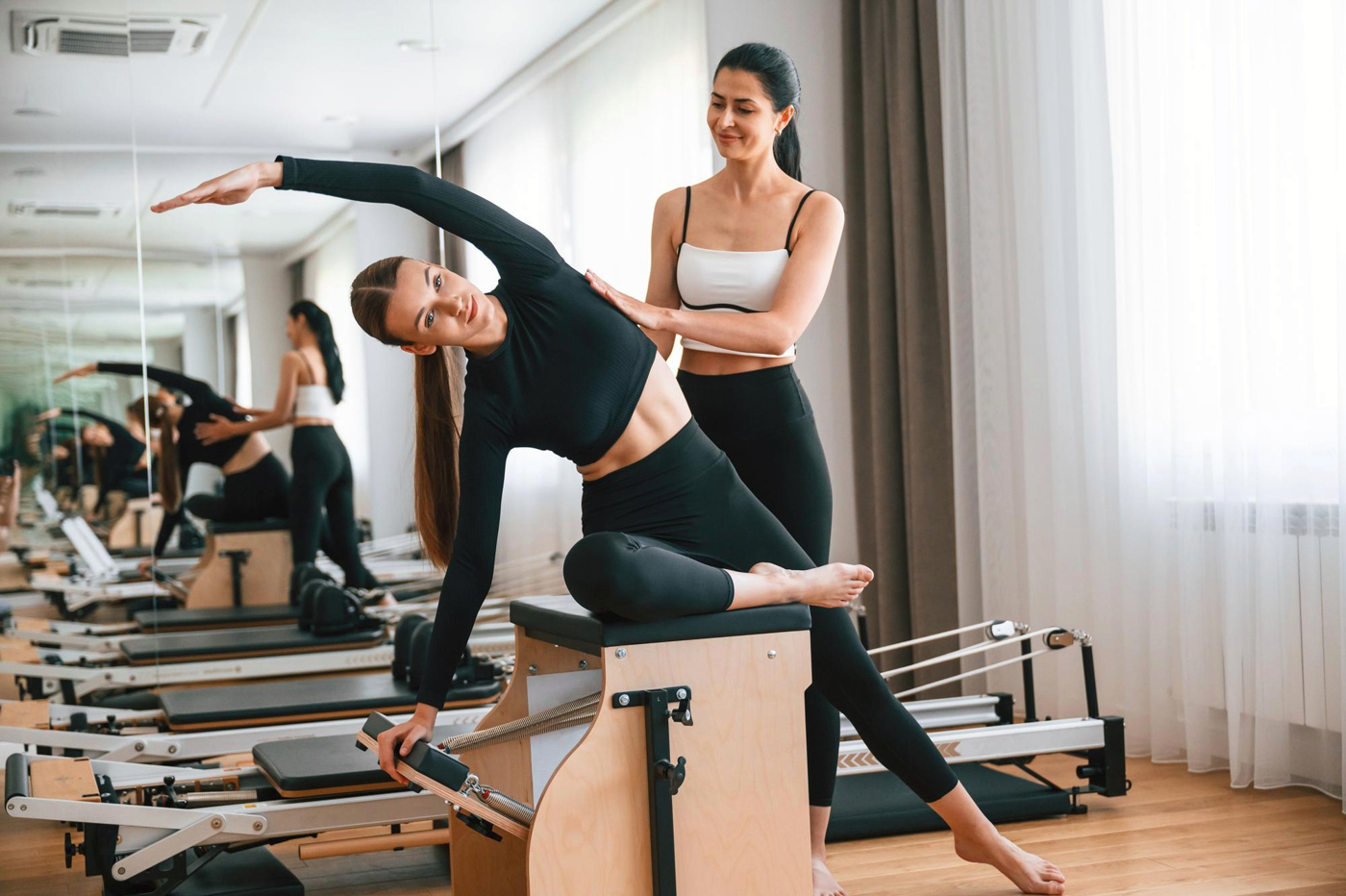
Wall Pilates can be a useful addition to your wellness routine, but it has limits. A wall does not replace the trained eye of an instructor, the adjustable resistance of Pilates equipment, or the energy of a supportive class environment.
In a studio, an instructor can help you recognize compensation patterns that are difficult to see on your own. You may think your hips are level in a bridge, for instance, while one side is doing much more work. Small adjustments can make a major difference over time.
Private Instruction for Individual Needs
If you are managing an injury, recovering from a fitness break, working toward a specific goal, or simply want more personalized attention, private sessions can be especially valuable. A knowledgeable teacher can modify movements, choose appropriate exercises, and help you progress without rushing.
Explore private Pilates training when you want one-on-one guidance that meets your body where it is today.
Group Classes for Motivation and Progress
Group Pilates classes offer structure, variety, and a sense of community. For many people, having a class on the calendar makes it easier to stay accountable. It is also a great way to learn fresh exercises instead of repeating the same home routine.
At Backstage Pilates, Miami clients can choose classes that support different goals, from foundational movement and flexibility to strength-focused Reformer work. If you are ready to build on your home practice, view the Pilates class schedule and find a time that works for your lifestyle.
Wall Pilates: A Flexible Way to Support Your Wellness Goals
So, what is Wall Pilates best used for? It is a convenient, low-impact way to practice core engagement, posture awareness, mobility, and controlled strength training with a wall as your guide. The main Wall Pilates benefits come from thoughtful movement, regular practice, and proper form.
It may be a good fit for beginners who want a gentle introduction, experienced movers looking for variety, and busy South Florida professionals who need an accessible workout at home. Still, the strongest results often come from combining at-home Wall Pilates with expert instruction.
Whether you are new to movement or ready to deepen your Pilates practice, Backstage Pilates offers a welcoming place to grow stronger, move with confidence, and feel more connected to your body. Contact Backstage Pilates or book a class to experience personalized Pilates guidance in Miami.
Frequently Asked Questions
What is Wall Pilates, and how does it work?
Wall Pilates is a Pilates-inspired workout that uses a sturdy wall for support, balance, resistance, and alignment feedback. You may place your feet, hands, back, or legs against the wall during controlled movements. The wall helps you notice posture and core engagement while creating challenge through gravity, leverage, isometric holds, and deliberate muscle control.
Is Wall Pilates good for beginners with no Pilates experience?
Yes, Wall Pilates can be a helpful starting point for beginners because the wall offers a stable reference point for balance and body awareness. Start with simple movements such as wall push-ups, supported squats, bridges, and posture checks. Backstage Pilates beginner classes in Miami provide structured instruction so you can learn breathing, alignment, and core-control basics before building a home routine.
What are the benefits of a Wall Pilates workout?
When practiced consistently with good form, Wall Pilates can support core strength, posture awareness, mobility, and low-impact muscle conditioning. The wall provides feedback that may help you recognize habits like rounded shoulders, rib flare, or uneven weight shifts. Slow repetitions and holds can effectively challenge the abdominals, glutes, hips, thighs, arms, and postural muscles without jumping or heavy weights.
What is the difference between Wall Pilates and Reformer Pilates?
Wall Pilates uses a fixed wall, while Reformer Pilates uses a specialized machine with springs, straps, adjustable resistance, and a moving carriage. A wall workout is convenient for home practice and can build control, but it cannot duplicate the range and guided resistance of a Reformer. Backstage Pilates Reformer classes offer professional coaching and movement modifications tailored to your goals and mobility.
How often should I do Wall Pilates at home?
A practical Wall Pilates starter plan is two or three sessions each week for 10 to 20 minutes. Focus on steady breathing, controlled movement, and proper alignment instead of rushing through a long online routine. Miami residents with busy work, family, and social schedules can use short wall sessions as a convenient movement break while supplementing their practice with in-person Pilates instruction.
Is Wall Pilates safe if I am returning to exercise or have an injury?
Wall Pilates may provide a gentle return to exercise because the wall can offer support during standing and floor-based movements. However, speak with a healthcare provider first if you have recent surgery, acute pain, severe osteoporosis, uncontrolled blood pressure, vertigo, significant wrist concerns, or an injury. Pregnancy and postpartum exercise also need thoughtful modifications. Stop if you feel sharp pain, numbness, dizziness, or joint discomfort.