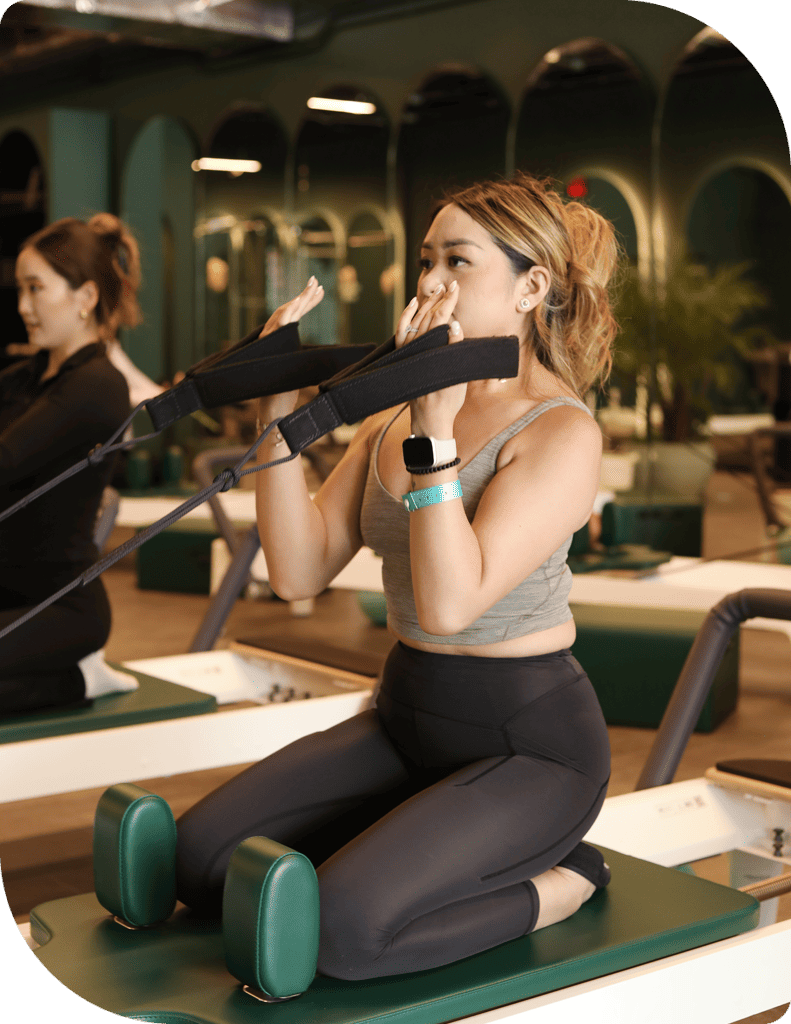
A Pilates reformer is a versatile resistance-training machine that supports strength, mobility, balance, and better movement. Learn how the reformer works, what its parts do, and why it is a favorite for beginners and experienced Pilates students across Miami and South Florida.
What Is a Pilates Reformer?
If you are asking, “what is a Pilates reformer?” the simple answer is this: it is a Pilates machine that uses springs, straps, and a moving platform to create controlled resistance for the entire body.
The Pilates reformer was originally developed by Joseph Pilates. It looks a little like a narrow bed with a sliding carriage, but it can support hundreds of exercises. You can lie down, sit, kneel, stand, pull straps, press through your feet, and move through a wide range of positions. Every exercise can be adjusted to meet your needs.
The reformer machine is one of the most recognizable pieces of Pilates equipment because it combines support and challenge in one smart design. Its springs create resistance without the heavy impact often associated with traditional strength training. At the same time, the moving carriage asks your core and stabilizing muscles to stay engaged.
For Miami residents who enjoy an active lifestyle, the reformer offers a practical way to build strength while supporting healthy joints. It can complement beach walks, running, cycling, tennis, golf, and other popular South Florida activities.
Why the Pilates Reformer Feels Different
Unlike a standard gym machine, a Pilates reformer does not lock your body into one fixed path. The carriage moves, so your muscles must guide and control each repetition. This encourages better body awareness, balance, and coordination.
The goal is not to rush. Pilates focuses on precise movement, steady breathing, alignment, and control. A lighter spring does not always mean an easier exercise. In many movements, less resistance requires more stability and deeper core engagement.
That is why the reformer can work for many fitness levels. A beginner can use supportive spring settings and simple positions, while an experienced practitioner can add complex combinations, balance work, and athletic challenges. Explore Reformer Pilates classes to experience how this adaptable equipment can fit your personal goals.
Reformer Explained: The Main Parts of the Machine
Understanding the basic parts makes a first class feel much less intimidating. Although reformer designs vary slightly, most include the same essential features.
The Carriage and Rails
The carriage is the padded platform you sit, lie, kneel, or stand on. It rolls back and forth along metal rails. Your movement pushes or pulls the carriage against spring resistance.
It may look simple, but the carriage is central to how the Pilates reformer works. When it moves, you need to control the motion in both directions. For example, pressing the carriage away during footwork builds leg strength, while slowly returning it develops control and prevents the springs from pulling you back too quickly.
Springs and the Spring Bar
Springs are the engine of the reformer machine. They attach the carriage to the frame and provide adjustable resistance. Different spring colors often represent different tension levels, though the exact colors may vary by brand.
A trained instructor selects spring settings based on the exercise, your body position, and your experience level. Stronger springs can provide more challenge for some movements, but they may also give more support in others. That is one reason expert guidance matters, especially when you are new to Pilates equipment.
Footbar, Shoulder Rests, and Headrest
The footbar is an adjustable bar at one end of the reformer. You may press your feet against it for lower-body work or hold it with your hands for planks, stretches, and standing exercises.
Shoulder rests help you stay securely positioned when lying down. The headrest can usually be raised or lowered to support comfortable alignment. Small adjustments make a major difference. Your instructor may change these settings before an exercise so the machine fits your body and movement goals.
Straps, Ropes, and Handles
Straps connect to the reformer’s spring system. Depending on the exercise, you may hold handles, place your hands in loops, or put your feet in straps. These options allow for upper-body strength, arm mobility, hip work, and full-body coordination.
Working with straps often reveals side-to-side differences. One shoulder may be stronger, or one hip may feel tighter. Pilates helps you notice these patterns and build more balanced movement over time.
How Does a Pilates Reformer Work?
At its core, the Pilates reformer works through spring resistance and controlled movement. You create force with your muscles, move the carriage, and then resist the return. This creates strength without relying on heavy weights or high-impact jumping.
Resistance That Adapts to Your Body
Reformer resistance is not just about making exercises harder. Springs can assist movement, too. For example, they may help support a beginner during certain abdominal exercises or make a mobility-focused stretch feel more accessible.
This flexibility makes the reformer useful for people who want to improve general fitness, return to movement after time away, or challenge an already strong routine. It is also ideal for students who want intentional exercise without putting unnecessary stress on their joints.
Core Engagement in Every Direction
People often think Pilates is only an ab workout. A strong core is important, but it means more than visible abdominal muscles. Your core includes deep muscles that support the spine, pelvis, hips, and rib cage.
On a Pilates reformer, core engagement helps you keep the carriage stable and move with control. Whether you are doing leg presses, rows, lunges, or planks, you are practicing how to organize your whole body. This can carry over into everyday activities like lifting groceries, sitting at a desk, or maintaining better posture during long Miami commutes.
Quality Matters More Than Speed
A reformer class is not about seeing how fast you can move. Smooth, deliberate repetitions are more valuable than rushed ones. Think of each movement as a conversation between your breath, muscles, and the machine.
If you feel tension in your neck, lower back, or joints, tell your instructor. They can offer a spring adjustment, a smaller range of motion, or an alternate exercise. Private guidance can be especially helpful; consider private Pilates training for a session designed around your individual needs.
Who Can Benefit From a Pilates Reformer?
The reformer is highly adaptable, which is why it appeals to beginners, athletes, busy professionals, and experienced Pilates lovers alike. You do not need prior experience or perfect flexibility to start.
Beginners and Returning Movers
New students often appreciate the feedback the machine provides. The carriage, springs, and straps make it easier to understand where your body is in space. Start with foundational exercises and learn the basics of breath, alignment, and resistance.
Our Pilates Classic Beginners classes offer a welcoming place to build confidence before progressing to more challenging sequences.
Active Miami Lifestyles
For runners, cyclists, dancers, and recreational athletes, reformer work can improve mobility, hip stability, shoulder strength, and body control. It also provides a focused indoor workout when South Florida heat, rain, or a packed schedule makes outdoor exercise less appealing.
Consistency is key. Aim for regular sessions, listen to your body, and focus on steady progress instead of perfection. When you are ready to make movement part of your weekly routine, view the Backstage Pilates class schedule and find a time that works for you.
The Pilates reformer is more than a machine. It is a powerful tool for moving with strength, confidence, and greater awareness in and out of the studio.
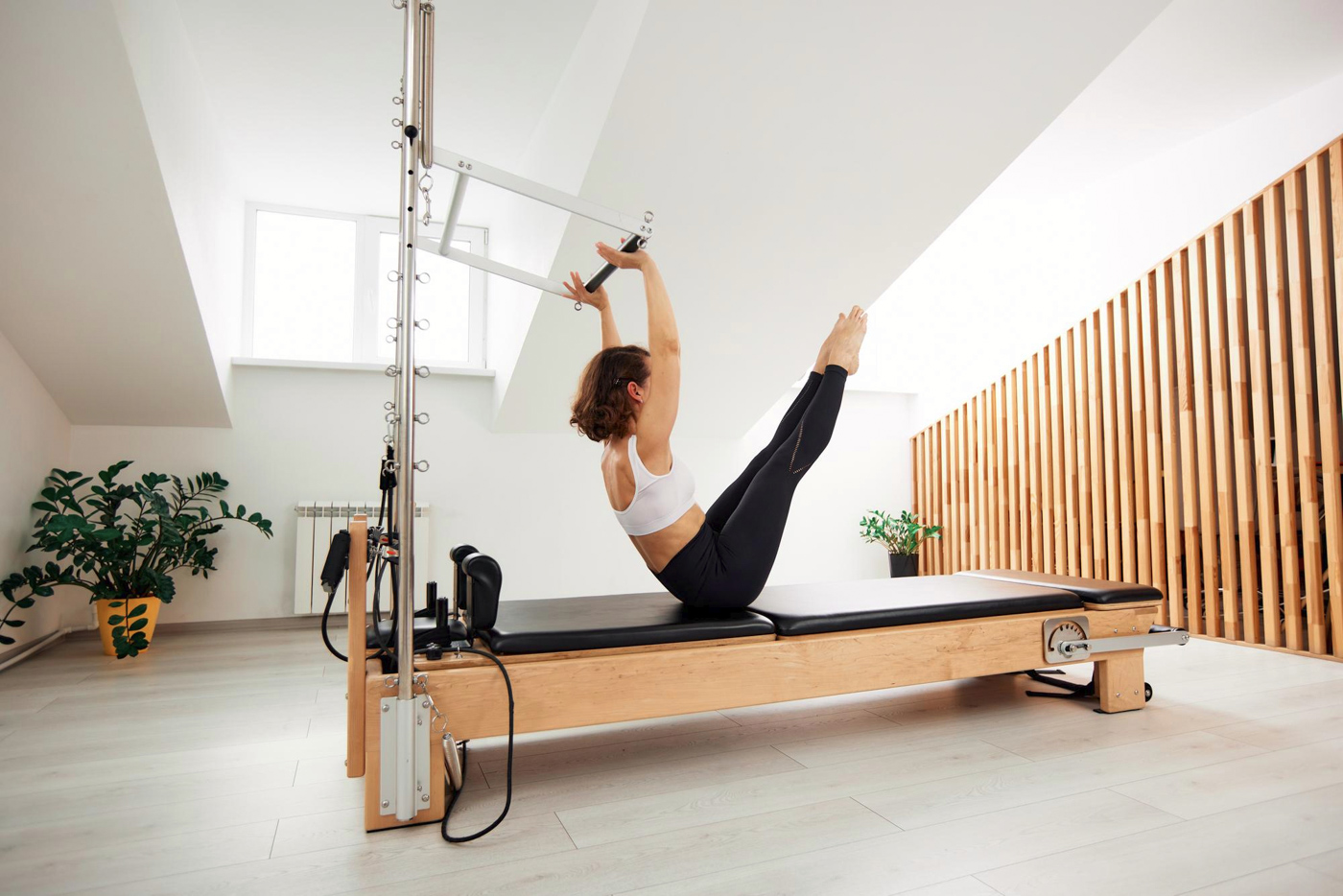
What Exercises Can You Do on a Pilates Reformer?
One reason the Pilates reformer remains so popular is its variety. The same reformer machine can support a gentle beginner workout, a focused strength session, or a challenging full-body class. The exercise changes based on your position, spring tension, and the instructor’s cueing.
Lower-Body Strength and Stability
Footwork is often one of the first reformer exercises students learn. You lie on the carriage with your feet on the footbar, then press the carriage away and return it with control. It may resemble a leg press, but it asks for much more awareness through the feet, knees, hips, and core.
Other lower-body movements may include bridges, lunges, side-lying leg work, and standing balance exercises. These movements can strengthen the glutes, thighs, calves, and hip muscles while improving alignment.
This matters for an active Miami lifestyle. Strong hips and legs can support you during long walks, pickleball games, weekend bike rides, and days spent exploring South Florida. The goal is not simply to work harder. It is to move better.
Upper-Body and Posture Work
Using the straps and handles, the Pilates reformer can train the arms, shoulders, upper back, and chest. Rows, presses, triceps work, and pulling exercises create strength without needing a room full of weights.
Many people spend hours looking down at phones or working at laptops. Over time, this can contribute to rounded shoulders and neck tension. Reformer exercises can help build the muscles that support a taller, more open posture.
The straps also make your upper body work harder in a smart way. Since the carriage can move, your torso needs to stay stable as your arms pull or press. You are not just training your arms. You are training the connection between your arms, ribs, shoulders, and core.
Mobility, Flexibility, and Recovery
A Pilates reformer is not only for strength. It is also valuable for mobility work. The moving carriage and adjustable springs can help you explore a comfortable range of motion through the hips, spine, shoulders, and hamstrings.
For example, feet-in-straps exercises may help you gently move the hips in circles or stretches. Long lunges can open the front of the hips after long periods of sitting. Controlled spinal movements can encourage better mobility without forcing a stretch.
If recovery and flexibility are key goals, Pilates stretch classes can be a great complement to more strength-focused reformer sessions. A balanced routine should include both challenge and restoration.
How to Use a Reformer Machine Safely
Although the Pilates reformer is approachable, it is still specialized Pilates equipment. Proper setup and instruction help you get better results while reducing the chance of discomfort or injury.
Let the Instructor Set Up the Equipment
Before class, an instructor may adjust the footbar, headrest, springs, straps, and shoulder rests. These details are important. A spring setting that works well for one person or exercise may not be right for another.
Never assume that more resistance is always better. In some reformer exercises, heavier springs provide stability and support. In others, lighter springs create a greater balance challenge. Your instructor understands how the resistance changes the movement.
New students should avoid changing spring tension without guidance. Take a moment to learn the equipment first. You will feel more confident quickly.
Move Slowly When Getting On and Off
Always secure the carriage before stepping onto or off the reformer machine. In many studios, this means placing one foot on the stable platform before bringing your other foot onto the carriage. Avoid standing on a moving carriage unless your instructor has specifically set up a standing exercise.
Wear comfortable clothes that allow you to move easily. Grip socks are usually recommended because they help you stay secure on the carriage and footbar. Bring water, arrive a few minutes early, and tell your instructor about injuries, recent surgeries, pregnancy, or physical concerns.
Listen to Useful Feedback From Your Body
Muscle effort is normal. Sharp pain is not.
You may feel your legs shake during footwork or your core work hard during a plank. That can be part of building strength. However, pain in a joint, numbness, dizziness, or pinching sensations are signs to pause and speak with your instructor.
Small modifications can make a meaningful difference. Changing the spring tension, reducing the range of motion, or choosing a different body position can keep the exercise productive and comfortable.
What Should You Expect From Your First Reformer Class?
Your first class may feel unfamiliar, and that is completely normal. The Pilates reformer has several moving parts, but you do not need to memorize everything before you arrive. A quality instructor will explain the setup, demonstrate movements, and offer clear cues throughout class.
Start With Fundamentals
A beginner-friendly session often begins with breathwork, simple footwork, and easy carriage movements. You may then progress into core exercises, arm work, hip mobility, and gentle stretching. Each movement builds on the last.
At Backstage Pilates, a supportive environment allows you to focus on your own body instead of comparing yourself to others. You may be alongside longtime students, but every person can work at an appropriate level. Pilates is personal.
For more helpful first-class advice, read our Pilates beginner’s guide before booking. Understanding basic terms and class expectations can make your first reformer experience feel even more relaxed.
Consistency Creates Real Results
One session can leave you feeling energized and more connected to your body. Lasting changes, however, come from consistency. Many people notice better posture, stronger muscles, increased flexibility, and improved body awareness after making reformer Pilates part of a regular routine.
Try starting with two sessions per week if your schedule allows. That can be enough to build familiarity with the reformer and create steady progress. You can add walking, swimming, yoga, or other activities you enjoy around it.
Miami’s year-round wellness culture makes it easier to stay active, but heat and humidity can make outdoor workouts feel demanding. An air-conditioned Pilates studio offers a focused, low-impact way to move in every season.
Is the Pilates Reformer Right for You?
So, what is the Pilates reformer best used for? It is a versatile tool for building strength, improving mobility, developing better balance, and learning how to move with more control. It can meet you where you are, whether you are new to exercise, returning after a break, or looking to enhance athletic performance.
The reformer explained simply is a moving platform with spring resistance. Yet its benefits go far beyond that basic description. With thoughtful instruction, this Pilates equipment can challenge your body while respecting its needs.
At Backstage Pilates, classes are designed to be welcoming, effective, and adaptable for a wide range of fitness levels. Explore our Pilates class options to find the right fit for your goals, from foundational sessions to more dynamic reformer workouts.
Ready to experience the reformer machine for yourself? Contact Backstage Pilates or book a class and discover how intentional movement can help you feel stronger, more mobile, and more confident in Miami and beyond.